
What If Nobody Needed Money?
Quick Answer: If nobody needed money, poverty and financial stress could disappear, but society would face a new challenge: discovering what truly motivates people when survival is no longer tied to earning a living. Work, ambition, and success would likely be redefined in ways we can barely imagine.

The Premise
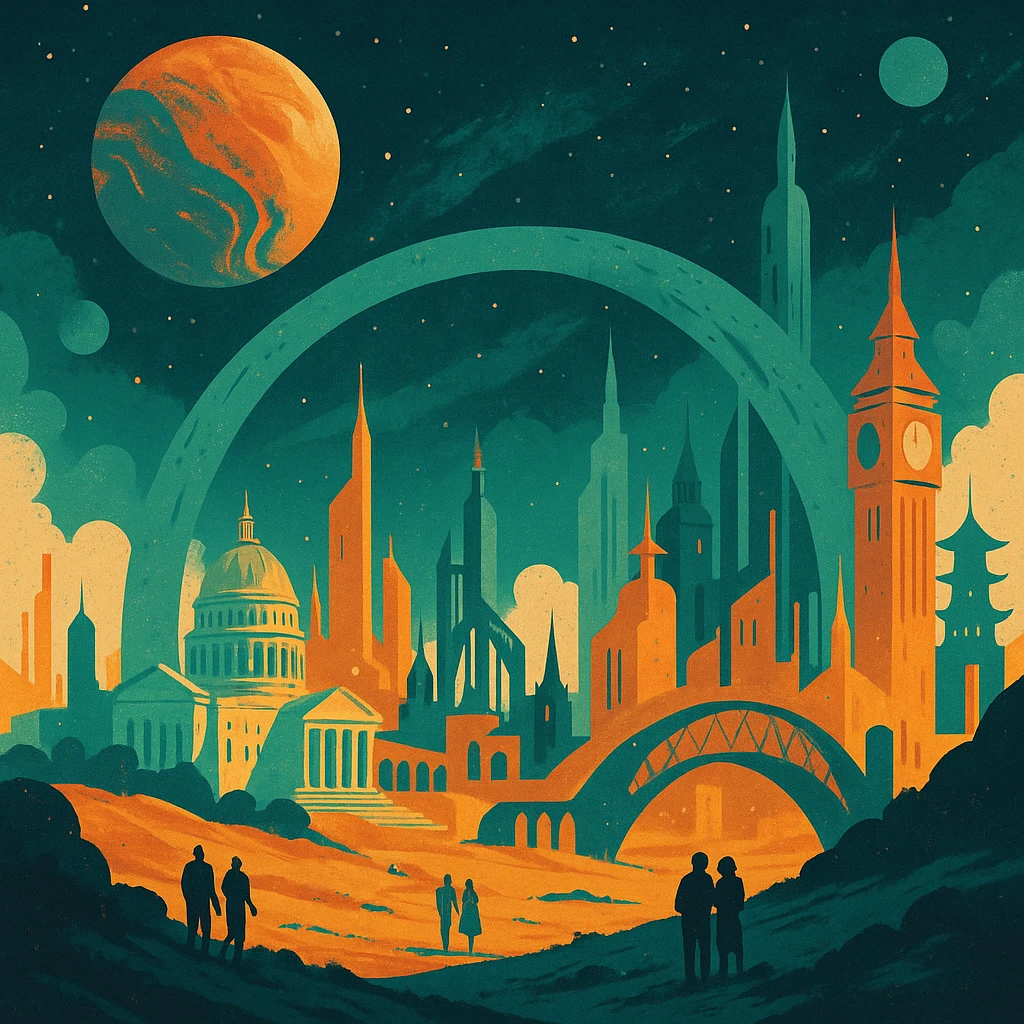
Imagine waking up tomorrow to discover that money had become unnecessary. Every person on Earth has a safe place to live, enough food to eat, access to healthcare, education, transportation, and everything required for a comfortable life. No one is rich because no one needs to be. Survival is no longer tied to a paycheck.
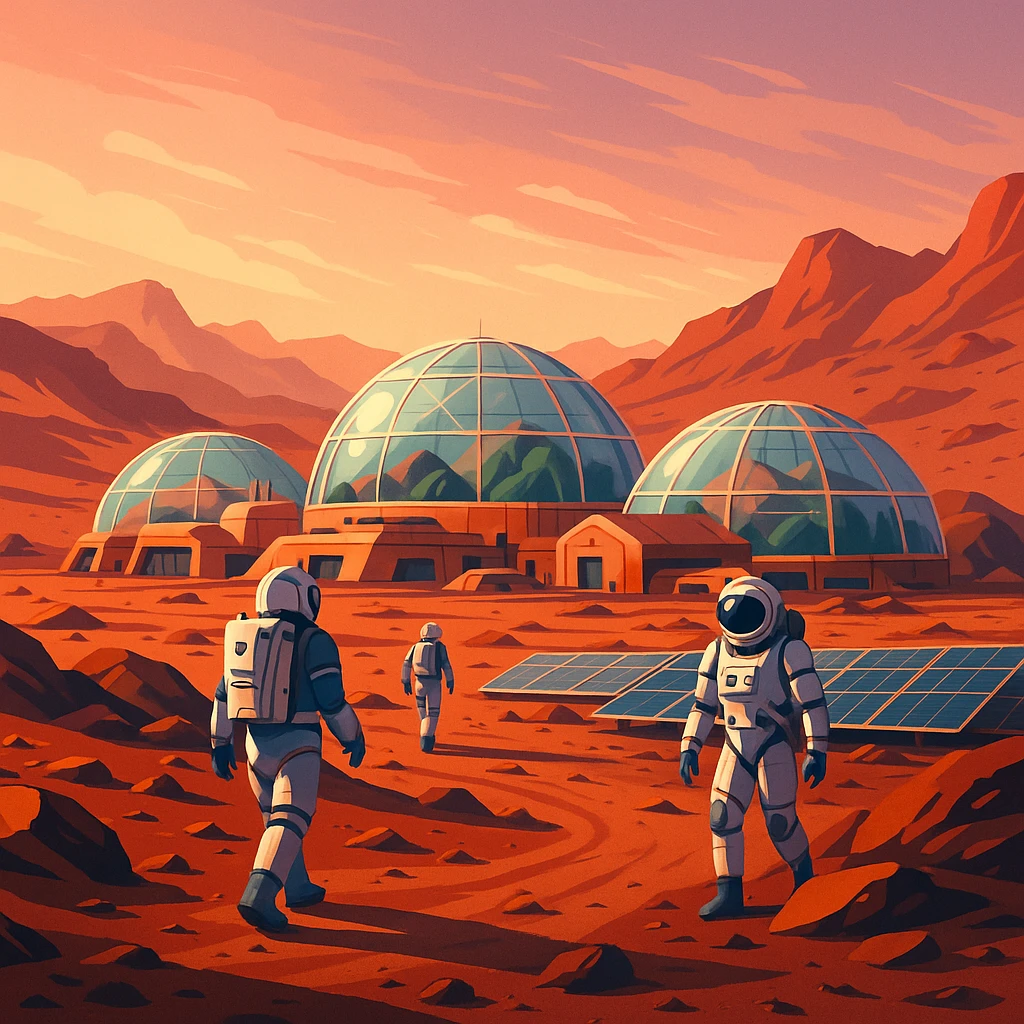
This isn't a world where money has vanished overnight or where governments simply print endless currency. Rather, society has evolved beyond financial necessity. Whether through extraordinary technology, limitless clean energy, advanced automation, or another breakthrough, humanity has reached a point where basic needs are met for everyone without requiring payment.
At first, the idea sounds like paradise. Poverty disappears, homelessness becomes history, and financial anxiety fades into memory. Yet a deeper question quickly emerges: if people no longer need money to survive, what would inspire them to work, create, invent, compete, or strive for excellence? Would humanity become more fulfilled-or simply lose one of its greatest driving forces?
The Science and Speculation

Throughout history, every society has depended on some form of exchange. Whether through barter, precious metals, paper currency, or digital payments, money has allowed people to trade goods and services efficiently. Yet economists and futurists have long imagined a different possibility: a post-scarcity society, where technology makes life's basic necessities so abundant that charging for them becomes unnecessary.
Advances in artificial intelligence, robotics, renewable energy, and automated manufacturing are already reducing the amount of human labor required to produce many goods. If these technologies continued to improve for generations, they could eventually provide food, housing, healthcare, transportation, and education with minimal human effort.
Of course, providing necessities is only part of the equation. Human motivation is far more complex than earning a paycheck. Psychologists have found that people are driven not only by financial rewards, but also by curiosity, creativity, purpose, achievement, and the desire to contribute to something larger than themselves.
Whether a society without financial necessity would unlock humanity's greatest potential-or remove the incentive that has fueled civilization for thousands of years-remains one of the most fascinating questions imaginable.
Possible Consequences
- Poverty Becomes History: If everyone's basic needs were guaranteed, homelessness, starvation, and extreme poverty could disappear. Millions of people would no longer spend their lives struggling simply to survive.
- Work Becomes a Choice: Many people might pursue careers because they genuinely enjoy them rather than because they need a paycheck. Creative fields, scientific research, teaching, and volunteering could flourish as financial pressure fades.
- Unpleasant Jobs Become a Challenge: Society would still need sanitation workers, miners, construction crews, emergency responders, and countless other essential roles. Without financial incentives, these jobs might require automation, shorter shifts, or entirely new forms of motivation.
- Success Is Redefined: Wealth would no longer be the primary measure of achievement. Reputation, knowledge, creativity, generosity, and contributions to society might become the new symbols of success.
- Crime Changes Dramatically: Many crimes driven by financial desperation, such as theft and robbery, could decline. Yet crimes motivated by power, revenge, ideology, or personal gain would likely continue, reminding us that money is only one cause of human conflict.
- Innovation Could Accelerate-or Slow: Some people believe removing financial pressure would unleash creativity and scientific discovery. Others argue that competition and financial rewards encourage risk-taking and innovation. The result could depend entirely on what replaces money as a source of motivation.
- Purpose Becomes the Greatest Currency: When survival no longer depends on earning a living, people may begin asking a deeper question: "What gives my life meaning?" The search for purpose could become more important than the pursuit of wealth ever was.
Surprising Facts
- Money has existed for only a small fraction of human history. For thousands of years, people traded goods directly or relied on barter, gifts, and shared resources long before coins and paper currency were invented.
- Research has found that once people's basic needs are comfortably met, additional income often has a smaller effect on overall happiness than many expect. Relationships, health, and a sense of purpose become increasingly important.
- Millions of people voluntarily contribute their time and expertise to open-source software, community organizations, and charitable projects without receiving direct financial compensation.
- Some economists and futurists believe advances in automation could eventually create a "post-scarcity" economy, where many essential goods become so inexpensive and abundant that access-not money-becomes the primary challenge.
In Pop Culture
Science fiction has long imagined civilizations where money is no longer necessary. Perhaps the best-known example is Star Trek, where humanity has largely moved beyond wealth as a measure of success. With advanced technology providing life's necessities, people pursue careers for exploration, knowledge, creativity, and personal fulfillment rather than financial survival.
Other stories take different approaches. Some portray utopian worlds where automation and limitless resources allow everyone to thrive, while others warn that eliminating money does not eliminate greed, ambition, or inequality. Whether optimistic or cautionary, these fictional societies all ask the same question: if people no longer worked for money, what would they choose to work for instead?
Expert Take

Economists generally agree that money serves several important purposes. It acts as a medium of exchange, a store of value, and a way to measure the worth of goods and services. Yet many researchers point out that while money helps economies function, it is not the only reason people choose to work.
Psychologists have found that once people's basic needs are met, motivation increasingly comes from within. Curiosity, mastery, creativity, personal achievement, social connection, and the desire to make a meaningful contribution often become stronger influences than financial reward alone. This helps explain why millions of people volunteer, pursue hobbies, create art, or contribute to scientific and open-source projects without expecting payment.
Experts also caution that a society without financial necessity would still face difficult questions. Essential jobs would still need to be done, resources would still need to be managed, and disagreements over status, influence, and opportunity would not simply disappear. Removing the need for money might solve many economic problems, but it would not eliminate the complexities of human nature.
Skygaze Twist
What if money isn't humanity's greatest currency after all? Imagine a world where everyone has everything they need-yet people still compete for recognition, influence, knowledge, creativity, or simply the chance to leave a lasting mark. Perhaps eliminating money wouldn't end competition. It would merely shift it toward something less tangible. In the end, the rarest resource might not be wealth-but purpose. And unlike money, purpose can never be given equally to everyone.
What About You?
If tomorrow morning you no longer needed to earn another dollar for the rest of your life, what would you choose to do? Would you continue working, pursue a lifelong dream, travel the world, invent something new, or simply enjoy more time with the people you love? Without money guiding your decisions, what would give your life purpose? Think it over, and continue exploring more bold possibilities here on Skygaze.