
What If Everyone Told the Truth?
Quick Answer: If everyone always told the truth, trust would increase dramatically-but so would conflict. Society might become more transparent, yet many relationships, careers, and institutions would have to reinvent themselves.
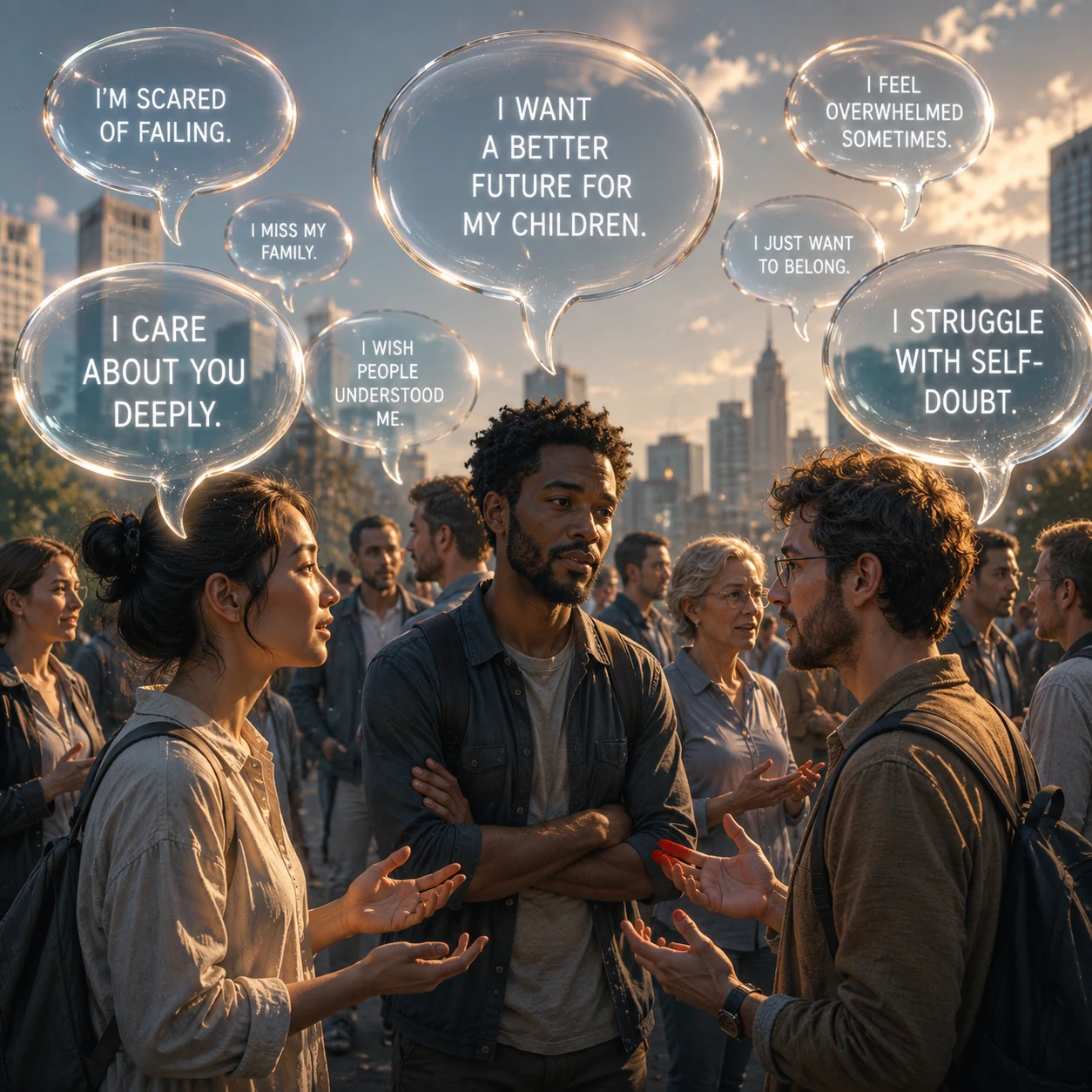
The Premise
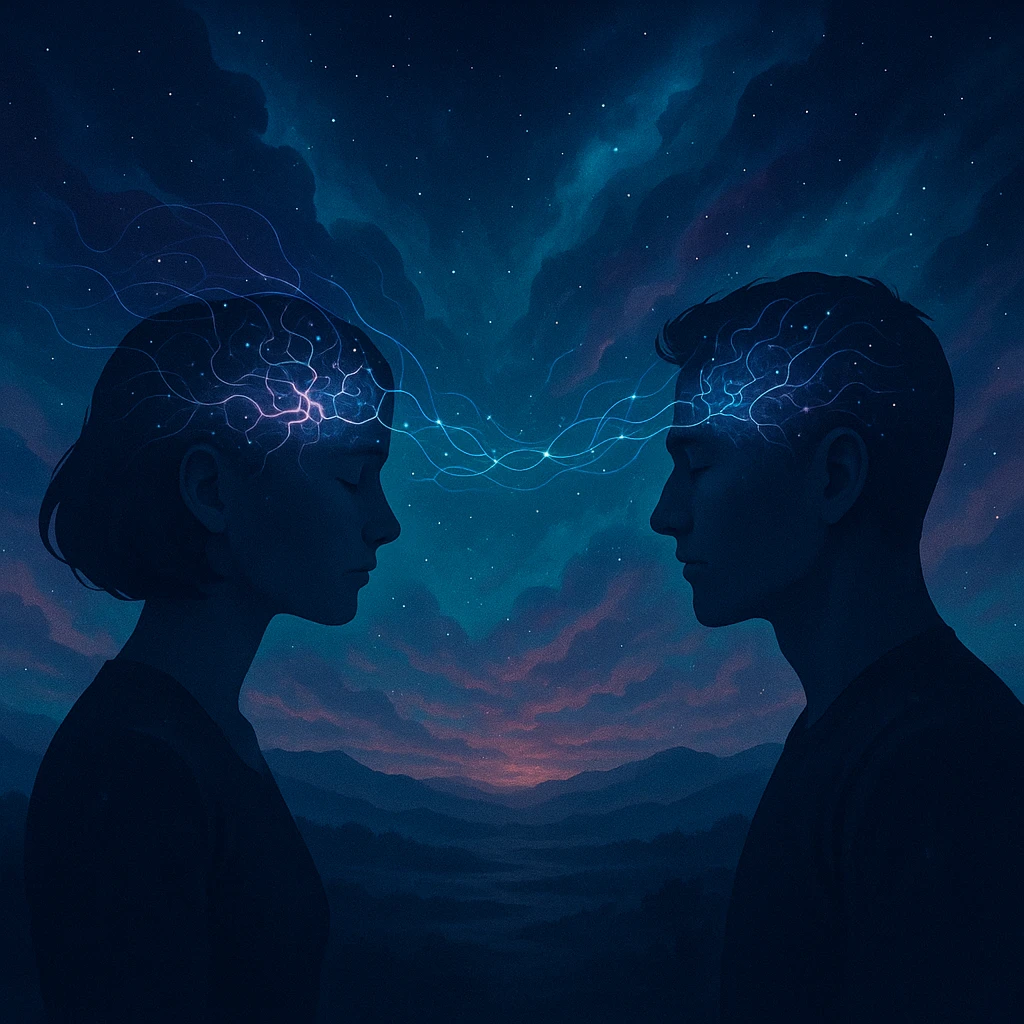
Imagine waking up tomorrow and discovering that every human being had lost the ability to lie. Every spoken word would be truthful. Every compliment genuine. Every promise sincere. Every excuse impossible.
This isn't a world where people become kinder or wiser overnight. It is simply a world where deception no longer exists. Half-truths, exaggerations, white lies, and outright fabrications would vanish. People could remain silent, but if they chose to speak, they could only speak honestly.
At first glance, such a world sounds ideal. Trust would flourish and corruption might collapse. Yet honesty can also be uncomfortable. Many relationships rely on diplomacy, tact, and carefully chosen words. If every thought suddenly became eligible to be spoken truthfully, how would families, workplaces, friendships, and governments adapt?
The Science and Speculation
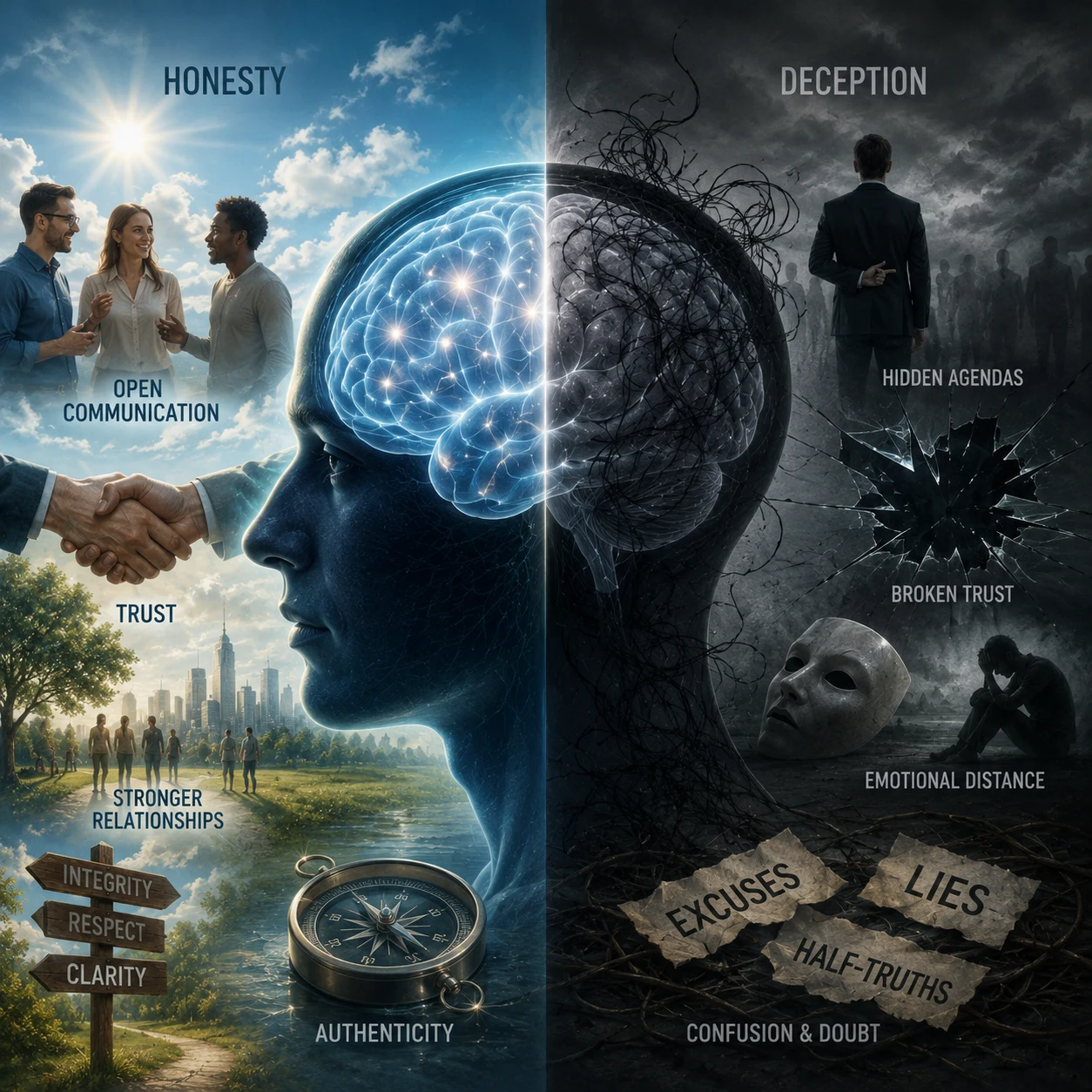
Psychologists generally agree that lying is a natural part of human behavior. People deceive for many reasons-to protect themselves, spare someone's feelings, gain an advantage, or avoid punishment. While large lies often receive the most attention, most everyday deception is surprisingly small and social in nature.
Research suggests honesty and deception both evolved because they offered advantages in different situations. Trust allows societies to function, but deception can sometimes help individuals navigate conflict, preserve relationships, or survive dangerous circumstances.
A world without lies would therefore represent more than a moral change. It would alter communication itself. Businesses, governments, legal systems, negotiations, diplomacy, and even casual conversations would all operate under completely different rules.
Whether such a society would become more peaceful-or simply more confrontational-remains an open question.
Possible Consequences
- Trust Reaches New Heights: Business deals, friendships, and everyday interactions would become far more dependable. Contracts might become simpler, and suspicion could gradually give way to confidence.
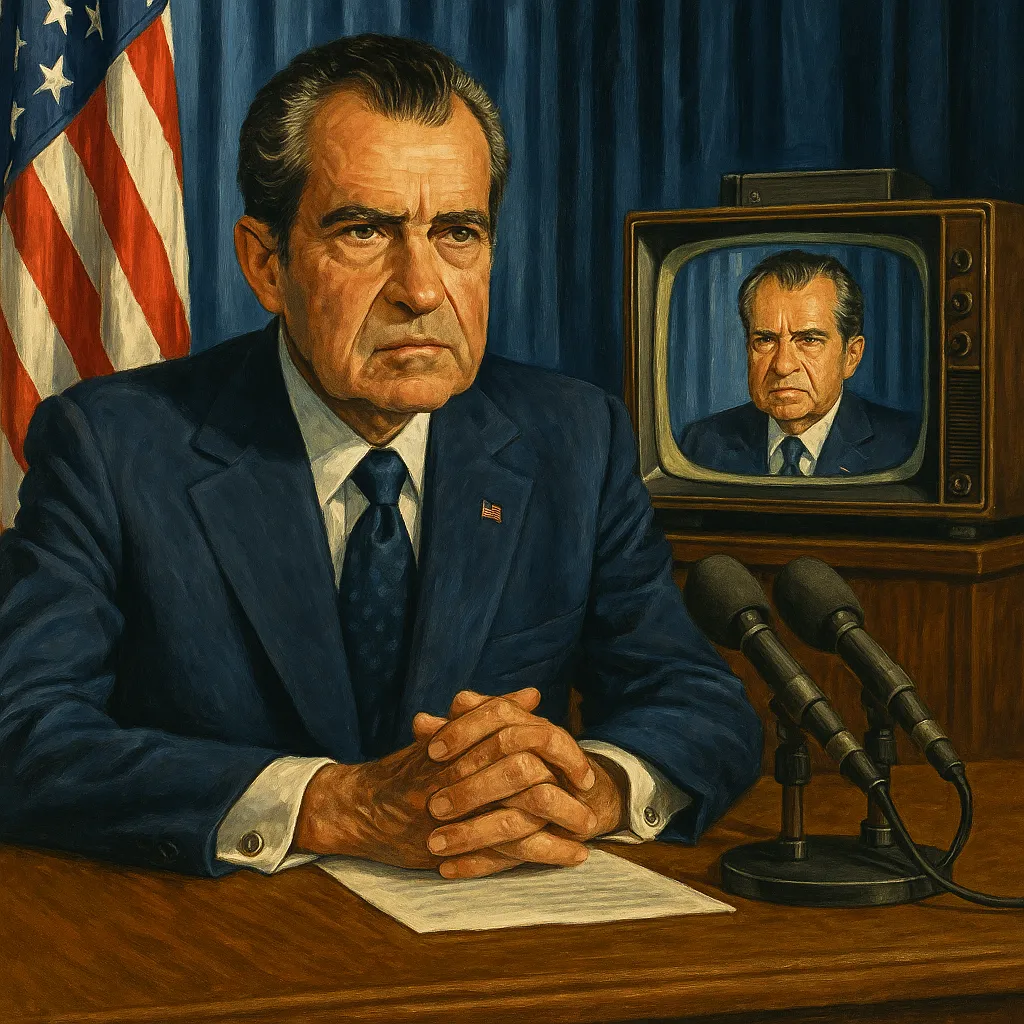
- Politics and Government Transform: Campaign promises, public statements, and official reports would have to be truthful. Corruption and cover-ups would become much harder to maintain, fundamentally changing how governments operate.
- Crime and Fraud Decline: Scams, financial fraud, false testimony, and many forms of deception-based crime would become far less common. Law enforcement and courts could become more efficient, although criminals might simply choose silence over confession.
- Relationships Become More Honest: Secrets, hidden feelings, and false promises would disappear. While many relationships could become stronger through trust, others might struggle under the weight of complete honesty.
- Businesses Must Earn Trust: Advertising could no longer exaggerate products or make misleading claims. Companies would compete more on quality and transparency than clever marketing.
- Privacy Becomes More Valuable: If lying were impossible, people might protect themselves by saying less. Remaining silent could become a common way to preserve personal boundaries and avoid unnecessary conflict.
- Kindness Faces a New Challenge: Many everyday "white lies" are meant to spare feelings or encourage others. Without the ability to soften difficult truths, conversations could become more direct-but not always more compassionate.
Surprising Facts
- Studies suggest that many people tell at least one lie during an average day, although estimates vary.
- Most everyday lies are intended to avoid embarrassment or protect another person's feelings rather than gain a major advantage.
- Children begin experimenting with deception at a surprisingly young age as their understanding of other people's thoughts develops.
- Some animals-including certain primates and birds-have displayed behaviors that researchers interpret as forms of deception.
In Pop Culture
The idea of a world without lies has fascinated storytellers for decades. The comedy Liar Liar imagines a lawyer who suddenly loses the ability to tell even the smallest lie, with hilarious-and often uncomfortable-results. The film The Invention of Lying explores an alternate reality where deception simply doesn't exist until one man discovers he can lie. Countless science fiction stories also feature truth serums, telepathic civilizations, or alien societies where honesty is unavoidable.
These fictional worlds usually begin with the same optimistic assumption: if everyone told the truth, life would become fairer and more trustworthy. Yet nearly every story reaches the same conclusion-absolute honesty creates new challenges of its own. Relationships become strained, diplomacy becomes difficult, and people quickly discover that kindness, privacy, and truth do not always fit together as neatly as we'd like.
Expert Take
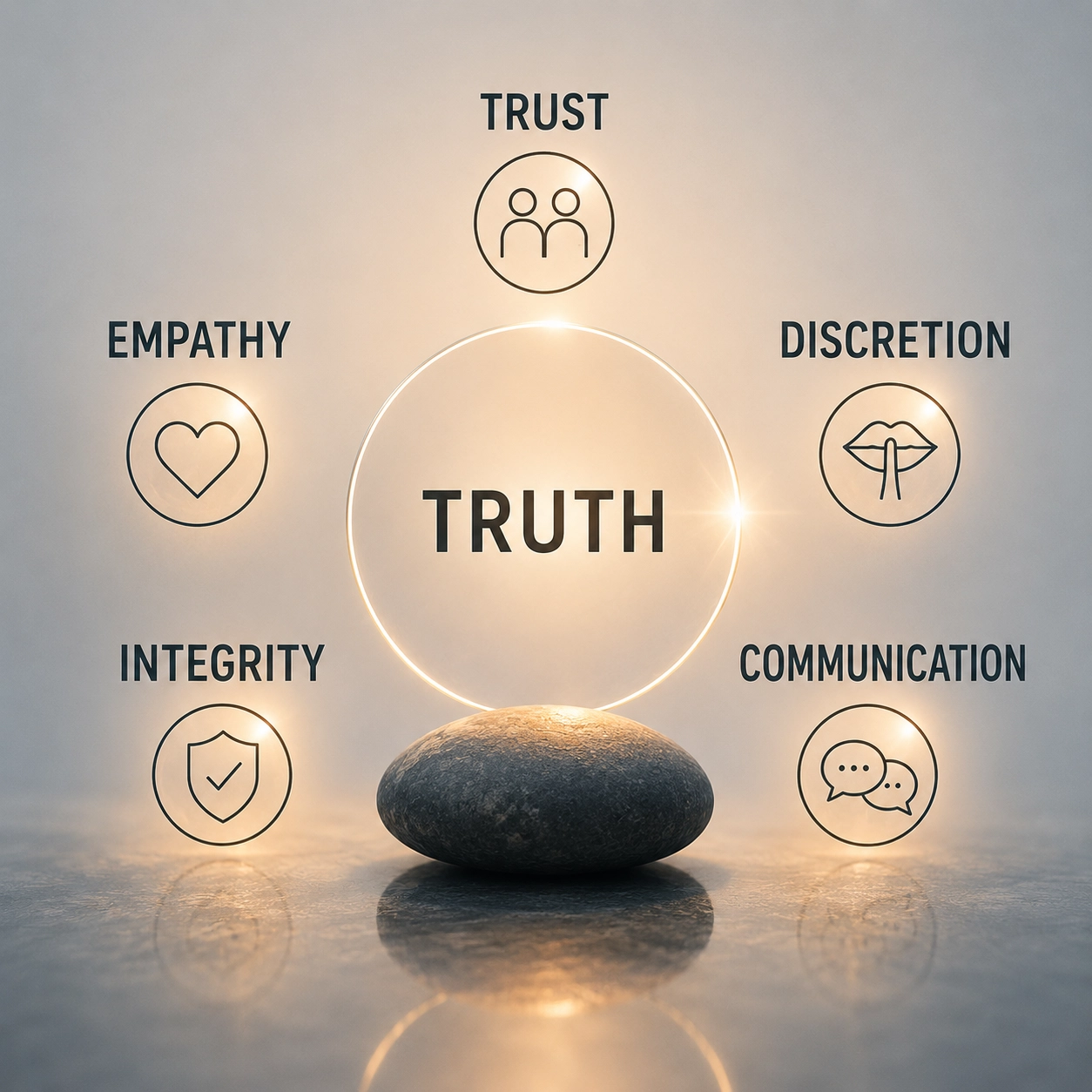
Psychologists generally agree that honesty is one of the foundations of trust. Families, friendships, businesses, and entire societies depend on people believing that others are usually telling the truth. At the same time, researchers recognize that complete honesty is not always simple. Human communication often relies on empathy, tact, and knowing when not to say everything we think.
Studies of deception suggest that most everyday lies are surprisingly small. Rather than being used for fraud or manipulation, many are intended to avoid embarrassment, protect another person's feelings, or prevent unnecessary conflict. While these so-called "white lies" may seem harmless, they illustrate that honesty and kindness do not always point in the same direction.
Experts also note that trust is one of the most valuable forms of social currency. A world where deception became impossible could strengthen cooperation in countless ways, from personal relationships to business and government. Yet it might also require people to develop entirely new social skills, balancing truth with compassion in ways humanity has never experienced before.
Skygaze Twist
What if the greatest casualty of perfect honesty wasn't deception-but kindness? Many comforting words are not completely true. We tell frightened children that everything will be okay. We compliment meals that weren't perfect. We soften criticism to protect someone we love. If absolute honesty became mandatory, would society become more authentic-or simply less compassionate? Sometimes the hardest truths aren't the ones we hear, but the ones we can no longer choose not to say.
What About You?
If tomorrow morning every person on Earth became incapable of lying, would the world become more peaceful-or would honesty reveal divisions we've simply learned to hide? Would you welcome complete truth, or would you miss the comfort of a carefully chosen white lie? Think it over, and continue exploring more bold possibilities here on Skygaze.