
Vlad the Impaler: Ruler, Warrior and Dracula Legend
The Historical Ruler Behind the Dracula Name
Skygaze explores the turbulent life, brutal campaigns, political struggles, and enduring legends surrounding one of medieval Europe's most feared rulers.
Born into a Violent Age
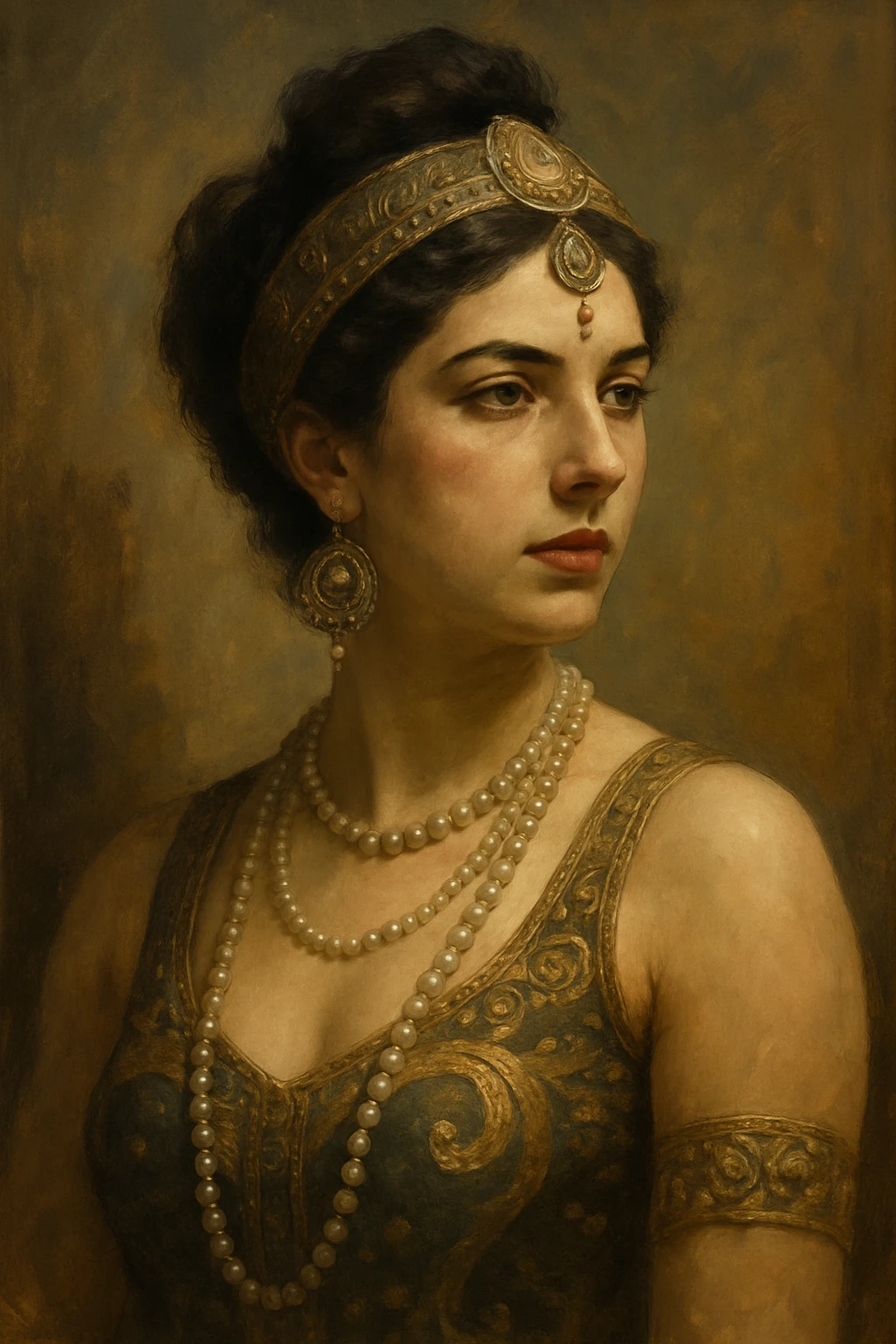
Vlad III was born around 1431 into the House of Draculesti, a noble family involved in the constant struggle for control of Wallachia, a principality located between powerful European kingdoms and the expanding Ottoman Empire. His father, Vlad II Dracul, belonged to the Order of the Dragon, a Christian military society formed to defend Europe against Ottoman expansion.
The name Dracul originally referred to the dragon, while Dracula meant son of Dracul, or son of the dragon. Over time, changing language and folklore gave the name darker associations, helping it become linked with the devil and eventually with vampire legend.
During his youth, Vlad and his younger brother Radu were held at the Ottoman court as political hostages while their father attempted to preserve his rule. This experience exposed Vlad to military discipline, political uncertainty, and the severe consequences of betrayal. His father and older brother were later killed, leaving Vlad determined to reclaim his family's position.
The Struggle for Wallachia
Vlad's path to power was marked by invasion, exile, shifting alliances, and repeated conflict. He briefly claimed the Wallachian throne in 1448 but was quickly removed. After several years of political maneuvering and military preparation, he returned in 1456 and began the longest and most significant of his three reigns.
Wallachia was divided by rival noble families known as boyars, many of whom had supported the deaths of Vlad's father and brother. Vlad responded by weakening their power and replacing unreliable nobles with supporters loyal to him. His methods were often ruthless, and executions became an important tool for controlling political opposition.
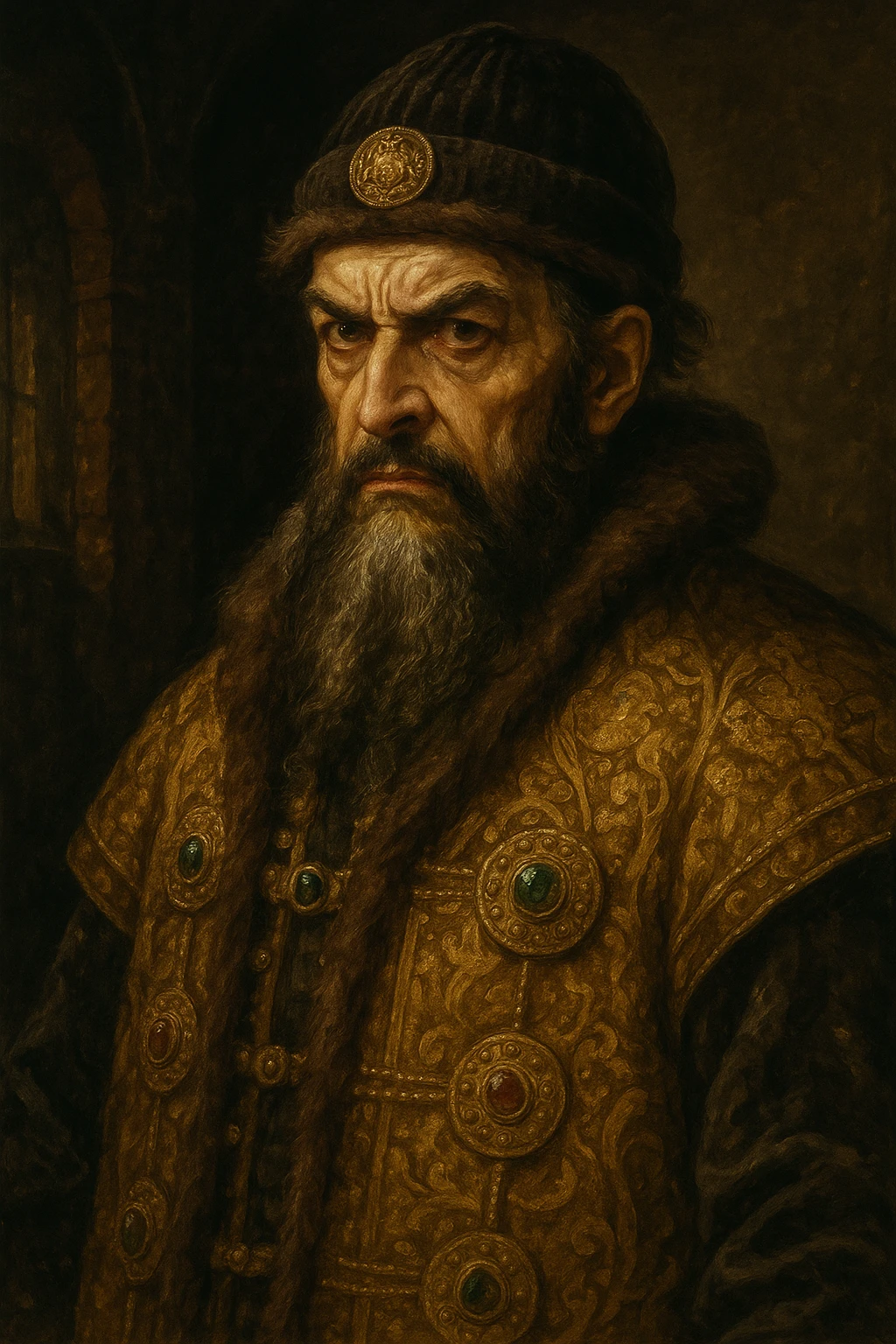
To supporters, Vlad was restoring order in a region plagued by corruption and instability. To his enemies, he was a cruel tyrant whose punishments exceeded even the harsh standards of medieval warfare. Both interpretations contributed to the reputation that followed him across Europe.
War Against the Ottoman Empire
Vlad's rule unfolded during a period when the Ottoman Empire was expanding deeper into southeastern Europe. Wallachian rulers were often required to pay tribute to the sultan, but Vlad eventually rejected Ottoman demands and launched attacks against Ottoman positions south of the Danube River.
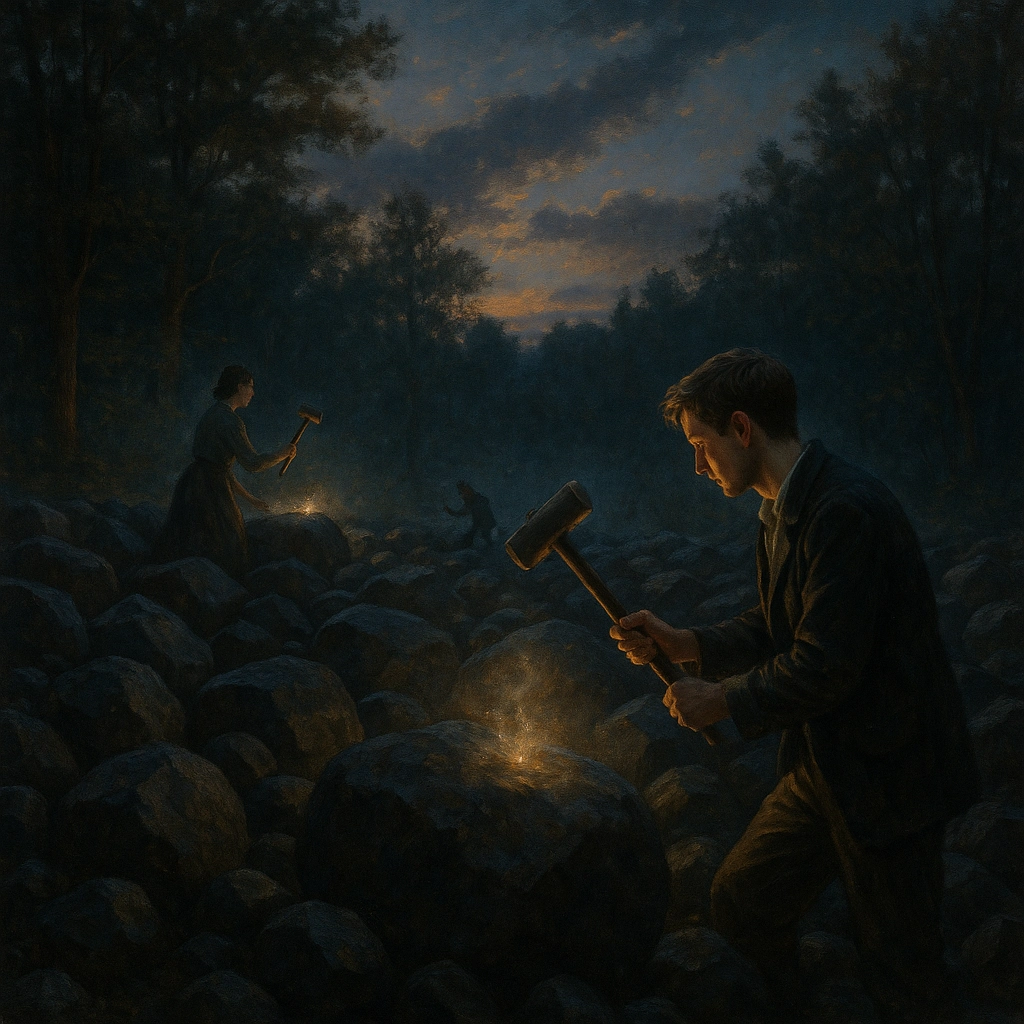
In 1462, Sultan Mehmed II led a major campaign into Wallachia. Unable to defeat the much larger Ottoman army in open battle, Vlad relied on ambushes, scorched-earth tactics, surprise attacks, and psychological warfare. His most famous operation was a nighttime assault intended to reach the sultan's camp and disrupt the invasion.
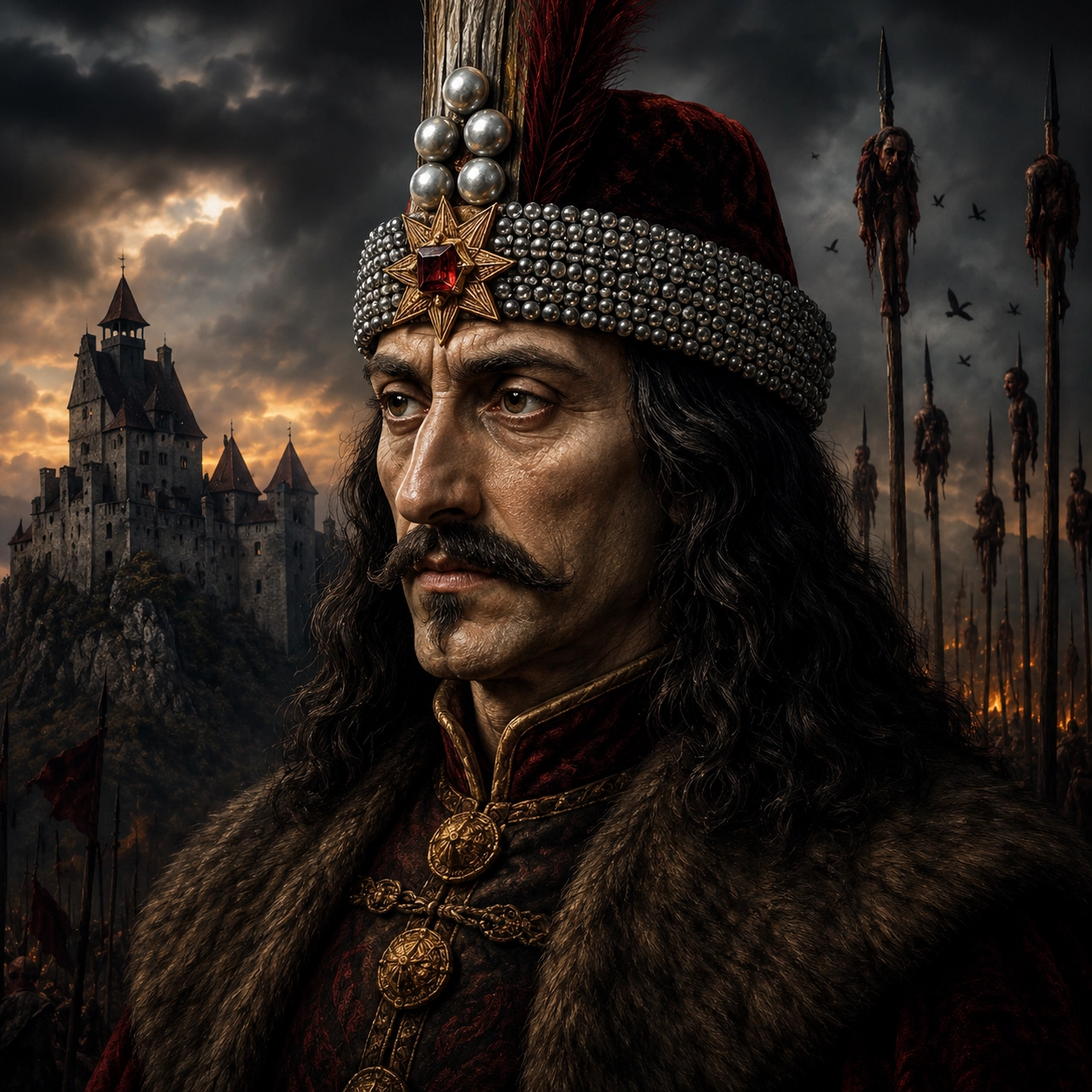
Accounts describe Ottoman forces encountering fields of impaled bodies outside Vlad's capital. Whether every detail was recorded accurately or later exaggerated, the display demonstrated how deliberately Vlad used terror as a military weapon. His resistance slowed the invasion, but political pressure and internal opposition eventually forced him from power.
Cruelty, Propaganda, and the Impaler Legend
Vlad earned the name Tepes, meaning the Impaler, because of his repeated use of impalement as punishment and execution. The method was intended not only to kill but also to terrify enemies, discourage rebellion, and display the ruler's absolute authority.
Printed pamphlets circulated in German-speaking Europe describing Vlad committing extreme acts of cruelty against nobles, merchants, prisoners, and ordinary civilians. Some accounts were based on real events, while others were likely exaggerated by political enemies and foreign merchants who had suffered under his rule.
In parts of Romania, Vlad became remembered less as a monster and more as a harsh defender who resisted Ottoman control and imposed order during a dangerous period. The contrast between national hero and bloodthirsty tyrant shows how differently historical figures can be remembered depending on who tells their story.
From Vlad Dracula to Count Dracula
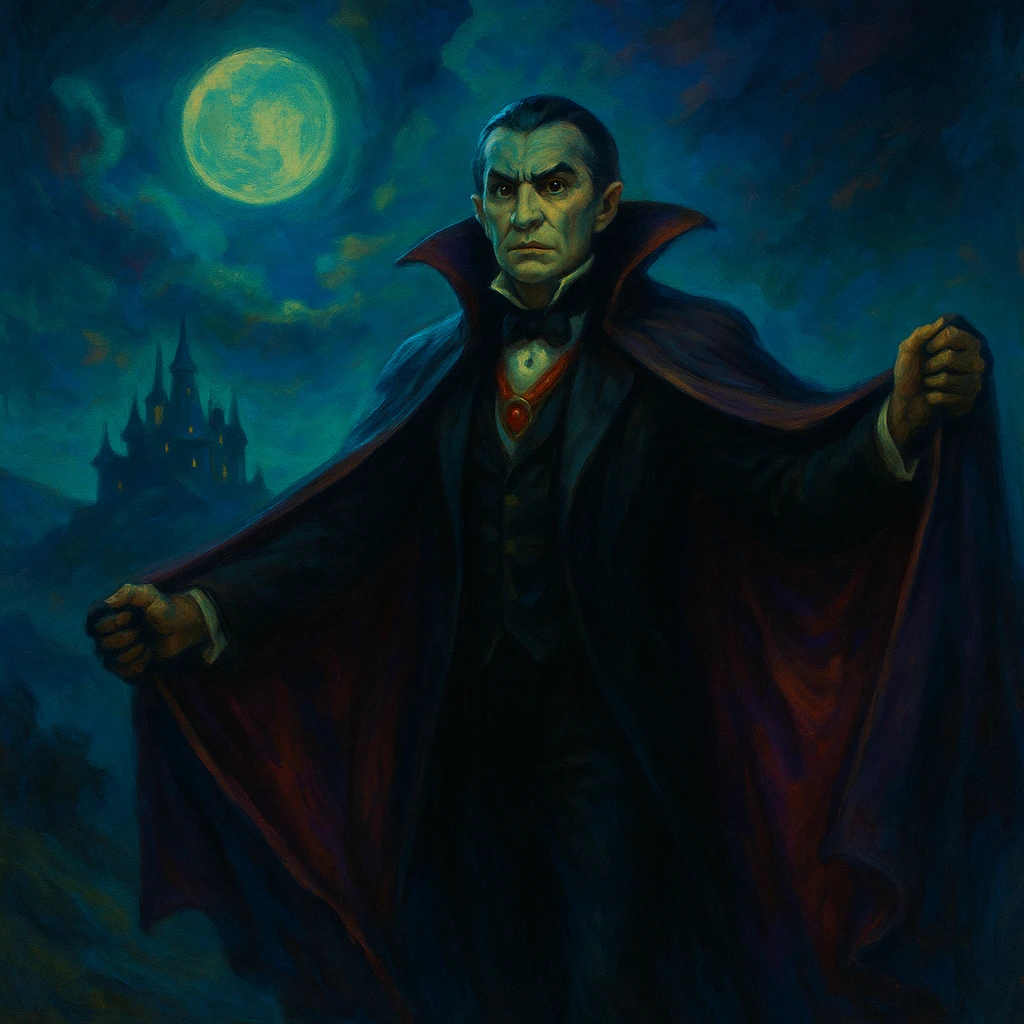
Centuries after Vlad's death, Irish author Bram Stoker encountered the name Dracula while researching Eastern European history. He later used it for the vampire count in his 1897 novel, helping turn the name into one of the most recognizable symbols in horror literature.
Stoker borrowed the name and the general atmosphere of Transylvania, but there is little evidence that his fictional vampire was closely modeled on Vlad's full biography. Many of the strongest connections between the medieval ruler and the vampire were developed later by historians, filmmakers, tourism promoters, and popular culture.
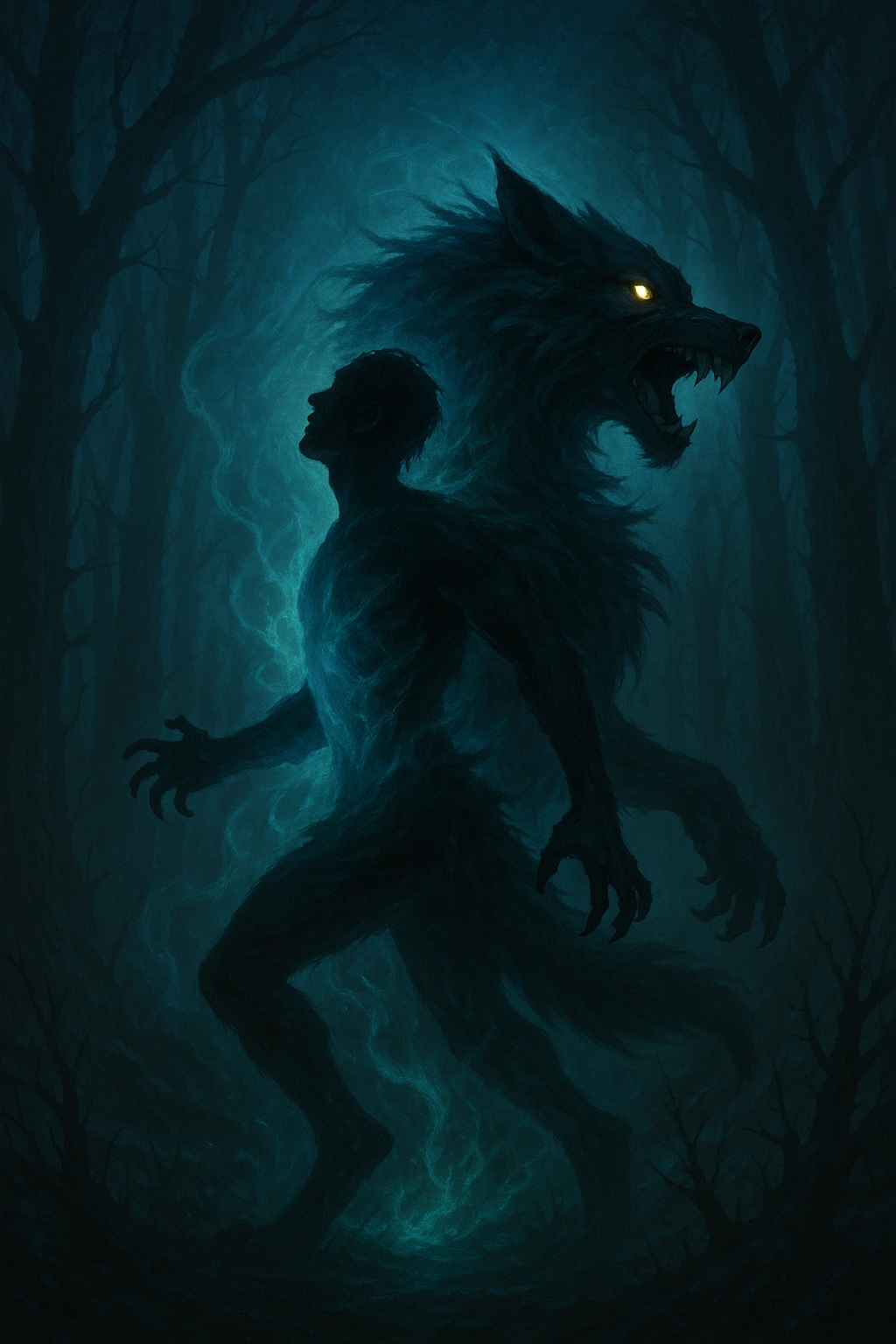
Explore the fictional legend of Dracula and discover how folklore, Bram Stoker's imagination, and Vlad's historical reputation became intertwined over time.
A Legacy Divided Between History and Horror
Vlad returned to the Wallachian throne for a final brief reign in 1476 but was killed soon afterward, probably during fighting against Ottoman-supported forces. The precise circumstances of his death remain uncertain, and even the final location of his remains has never been conclusively established.
His historical reputation remains deeply divided. Some remember him as a determined ruler who defended Wallachian independence and resisted a powerful empire. Others emphasize the executions, terror, and political violence that made his name feared throughout Europe.
Today, Vlad the Impaler exists simultaneously as a medieval prince, a national symbol, a brutal military leader, and the supposed inspiration behind the world's most famous vampire. Skygaze invites readers to separate the documented ruler from the fictional monster and consider how history, propaganda, and storytelling transformed Vlad Dracula into an immortal legend.