
Grigori Rasputin: Mystic, Influence and Enduring Myths
The Mystic Who Entered the Romanov Court
Skygaze explores the extraordinary rise, influence, assassination, and enduring myths surrounding one of the most mysterious figures in Russian history.
From Siberian Peasant to Religious Wanderer
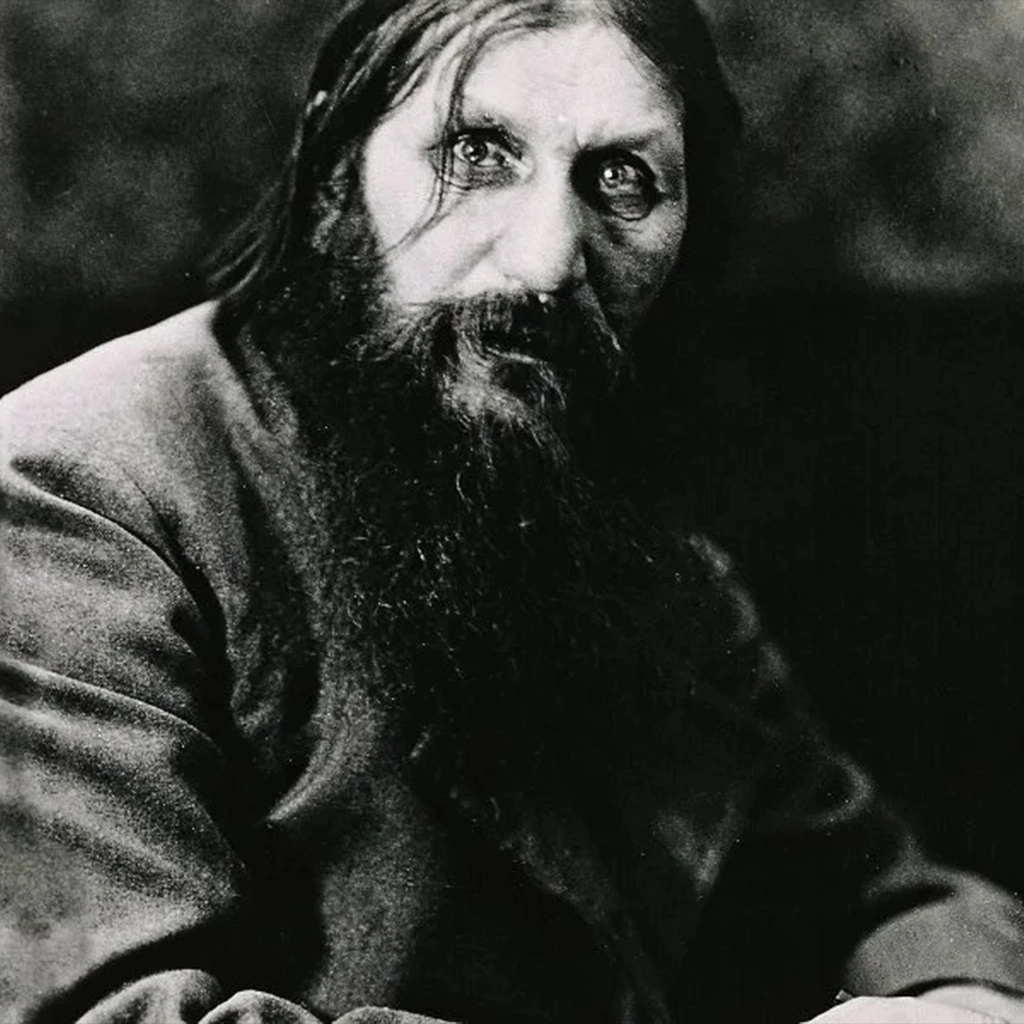
Grigori Rasputin was born in the Siberian village of Pokrovskoye to a peasant family. Little reliable information survives about his childhood, and many later accounts of his early years were shaped by rumor. As a young man he married Praskovya Dubrovina and had several children, but his life changed after he experienced a period of intense religious searching.
Rasputin began travelling as a pilgrim, visiting monasteries and religious communities while developing a reputation for spiritual insight and powerful personal charisma. Although he was frequently described as a monk, he was never formally ordained and held no official position within the Russian Orthodox Church.
By the early twentieth century, stories of the Siberian mystic had reached influential religious and aristocratic circles in Saint Petersburg. His intense manner, unusual appearance, and confident spiritual advice fascinated some members of high society while immediately provoking suspicion in others.
Rise to the Romanov Court
Rasputin was introduced to Emperor Nicholas II and Empress Alexandra during the first decade of the twentieth century. The imperial couple's only son and heir, Tsarevich Alexei, suffered from hemophilia, a dangerous inherited condition that could cause prolonged bleeding from even a minor injury.
On several occasions, Rasputin appeared able to calm the frightened boy and reassure Alexandra during medical crises. Exactly how he helped remains debated. His soothing presence may have reduced stress, while his advice to leave Alexei undisturbed may also have prevented doctors from giving treatments that could worsen bleeding. To the deeply religious empress, however, Rasputin's apparent success seemed almost miraculous.
Alexandra gradually came to regard Rasputin as a trusted spiritual adviser whose prayers protected her son. That relationship gave him unusual access to the imperial family and transformed an obscure Siberian pilgrim into one of the most discussed figures in the Russian Empire.
Influence, Scandal, and Political Suspicion
Rasputin's closeness to the Romanovs generated resentment among politicians, nobles, religious authorities, and members of the imperial family. Critics accused him of exploiting Alexandra's trust, influencing government appointments, and damaging the dignity of the monarchy. Newspapers circulated sensational stories about his private behavior, although many claims were exaggerated, politically motivated, or impossible to verify.
His perceived influence became especially controversial during the First World War. In 1915, Nicholas II left the capital to assume direct command of the Russian army, leaving Alexandra more involved in domestic affairs. Because the empress continued consulting Rasputin, opponents increasingly portrayed him as an unseen force influencing the government during a period of military defeat, economic hardship, and growing public anger.
Historians continue to debate how much political power Rasputin truly possessed. He recommended and criticized officials, but he held no formal office and did not control the Russian government. Nevertheless, the widespread belief that he manipulated the throne seriously weakened public confidence in the Romanov dynasty.
The Assassination and the Legend
By late 1916, a group of conservative nobles had concluded that Rasputin's presence threatened both the monarchy and Russia itself. The conspirators included Prince Felix Yusupov and Grand Duke Dmitri Pavlovich, who arranged to meet Rasputin at Yusupov's palace in Petrograd during the night of December 29-30.
The most famous version of the assassination claims that Rasputin survived poisoned food and drink, resisted repeated attacks, and remained alive after being thrown into a freezing river. Much of this dramatic story came from accounts written by the conspirators themselves, particularly Yusupov, whose description changed over time.
Later historical examination has cast serious doubt on many parts of the legend. The evidence indicates that Rasputin was killed by gunfire, while the stories of poison, extraordinary physical endurance, and drowning were likely exaggerated or invented. His death was violent, but the almost supernatural tale of a man who refused to die became far more famous than the available evidence.
A Legacy That Refuses to Die
Few historical figures have become as inseparable from legend as Grigori Rasputin. To admirers, he was a gifted spiritual healer who brought comfort to a desperate family. To his enemies, he was a manipulative outsider whose access to the throne exposed the weakness and isolation of Russia's rulers.
Rasputin did not cause the Russian Revolution, but the scandal surrounding him contributed to the public belief that the imperial court had become corrupt, irrational, and detached from ordinary life. Only months after his assassination, Nicholas II abdicated and the Romanov dynasty came to an end.
More than a century later, Rasputin remains the subject of biographies, films, songs, conspiracy theories, and supernatural tales. His life demonstrates how political hostility, incomplete evidence, and sensational storytelling can transform a real person into something larger than history. Skygaze invites readers to examine both the documented man and the enduring legend, and to decide where one ends and the other begins.