
What If Humans Never Dreamed?
Quick Answer: If humans never dreamed, we might still sleep, but our minds could lose an important tool for processing memories, regulating emotions, and inspiring creativity. Life might become more predictable-yet also less imaginative and emotionally resilient.
The Premise
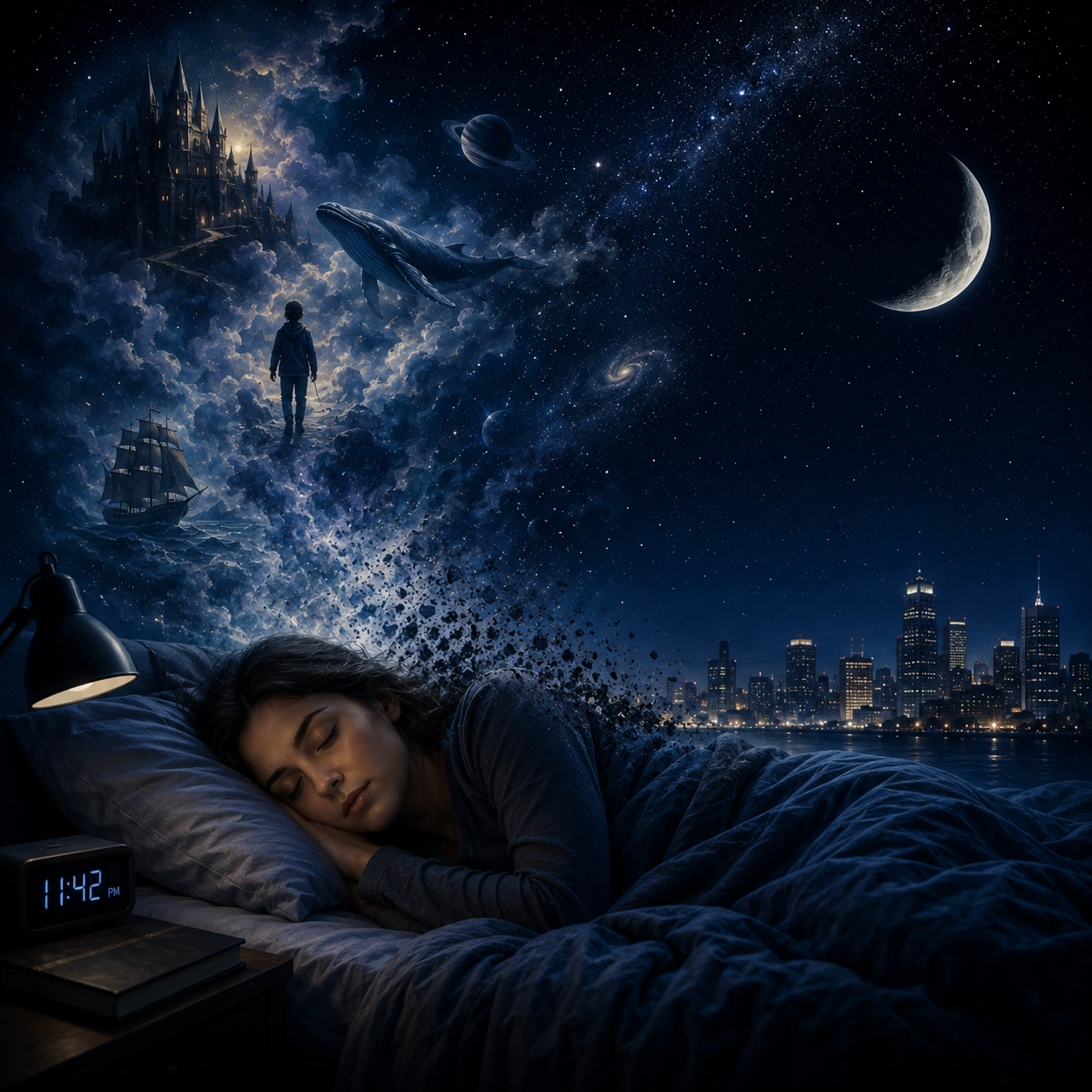
Imagine going to bed tonight, sleeping soundly for eight hours, and waking up feeling completely rested-yet never experiencing a single dream. Night after night, your sleep is peaceful but empty. There are no strange adventures, no vivid memories, no nightmares, and no mysterious stories unfolding behind closed eyes. It is simply darkness until morning.
This isn't a world where people stop sleeping. The body still follows its natural rhythm, muscles recover, and energy is restored. Only one part of the experience has disappeared: dreaming. Every human being spends an entire lifetime asleep without ever seeing a dream or remembering one upon waking.
At first, the change might seem insignificant. Many people barely remember their dreams anyway. But scientists believe dreaming may play an important role in memory, emotional processing, creativity, and learning. If those nightly experiences vanished forever, would humanity even notice-or would we slowly become different people without realizing what had been lost?
The Science and Speculation
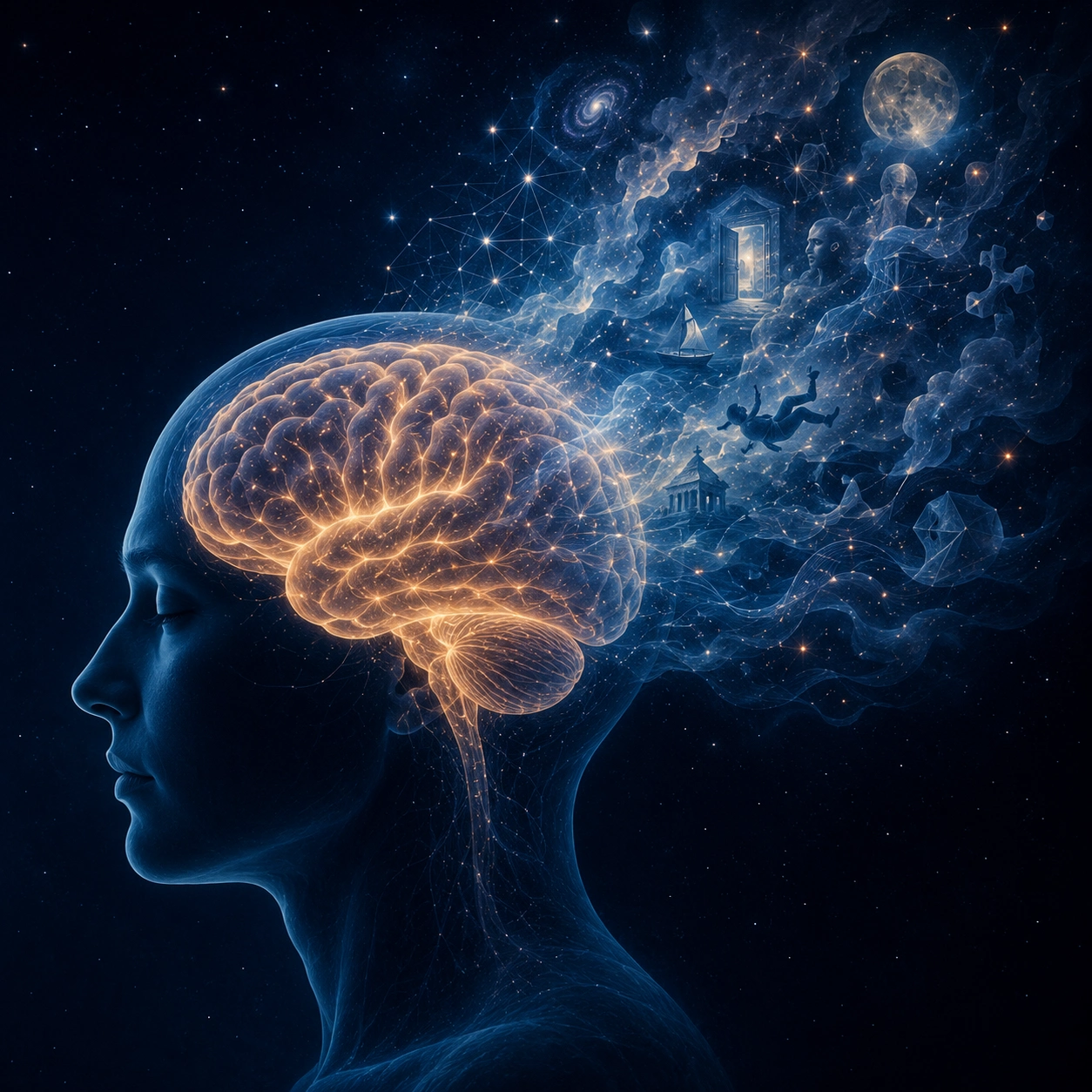
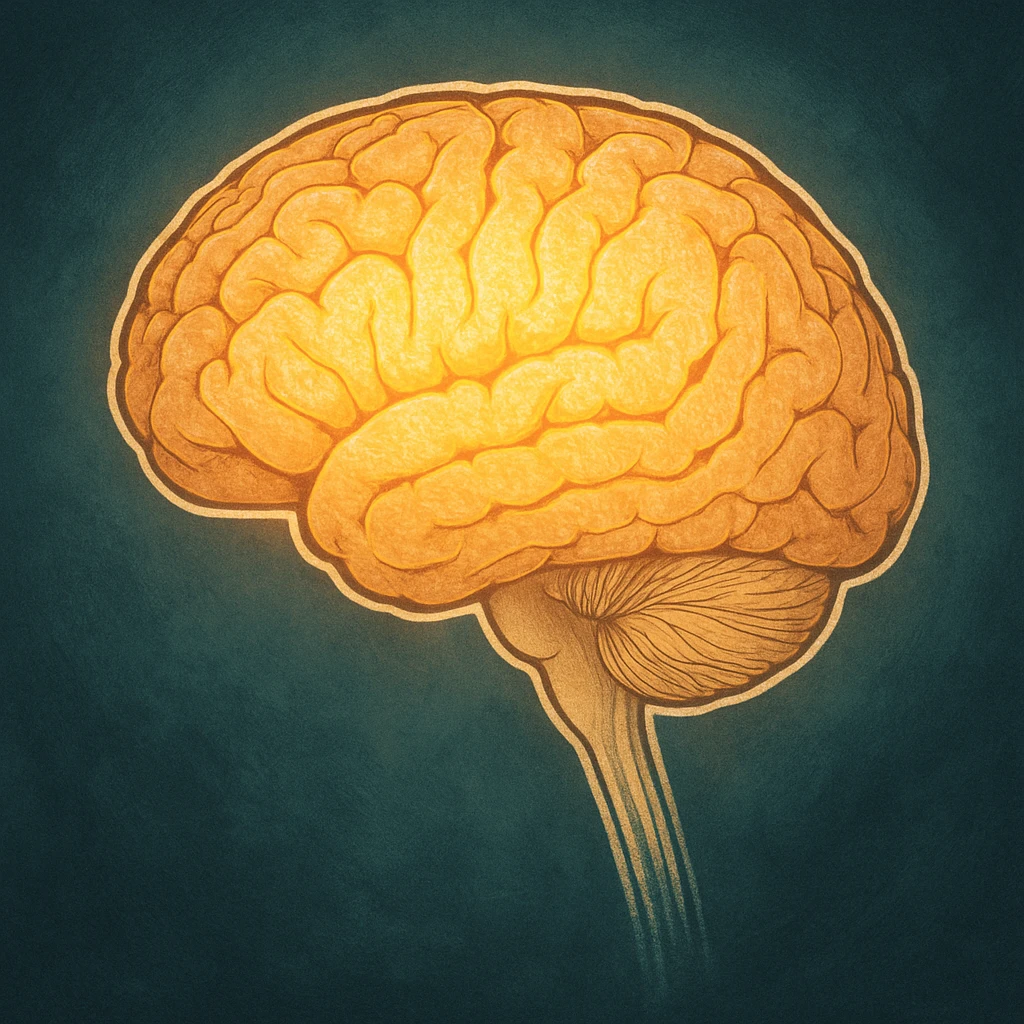
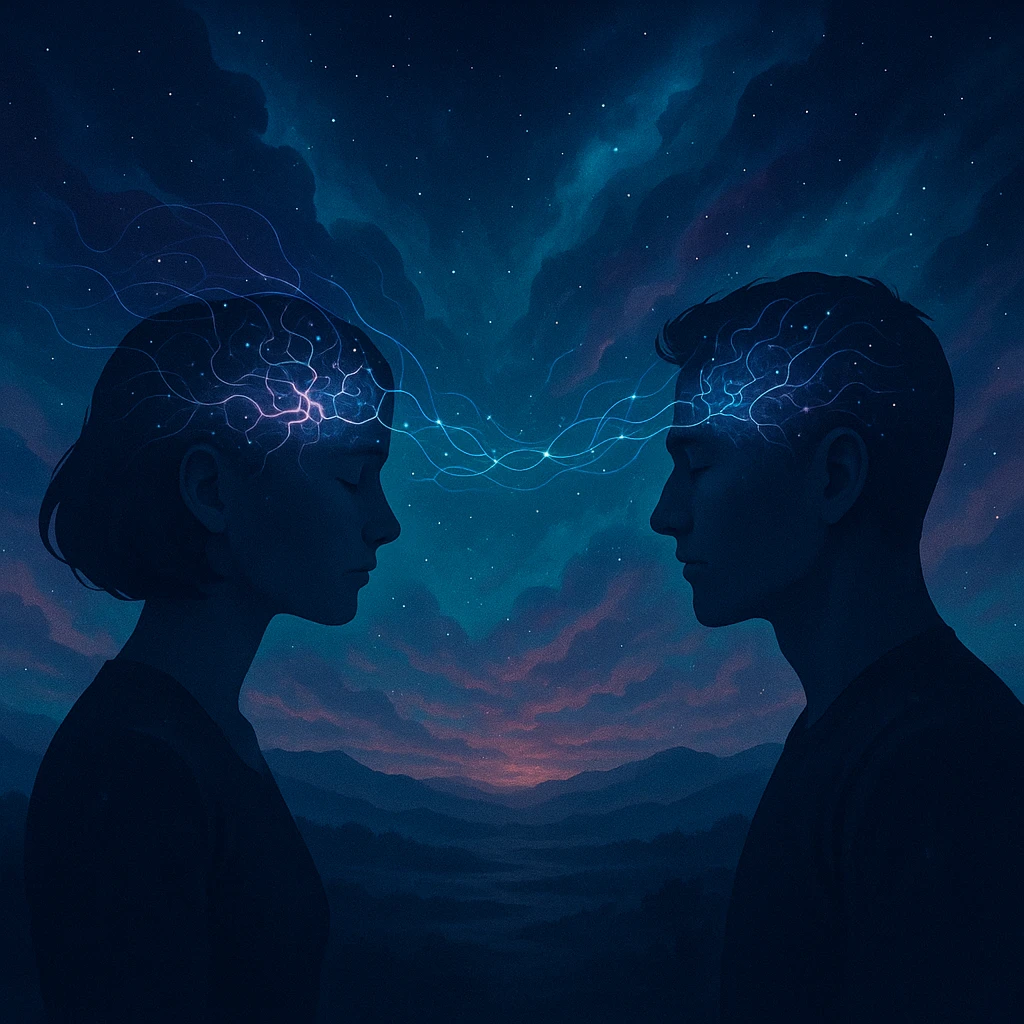
Scientists still do not fully understand why we dream, but most agree that dreaming is closely linked to REM (Rapid Eye Movement) sleep, a stage of sleep during which brain activity becomes remarkably similar to wakefulness. During REM sleep, the brain remains highly active even though the body is largely at rest.
Many researchers believe dreams may help the brain organize memories, process emotions, strengthen learning, and explore ideas in ways that are difficult during waking life. Others argue that dreams are simply a by-product of the brain performing these important functions rather than serving a purpose of their own. Exactly why we dream remains one of neuroscience's greatest mysteries.
People who are deprived of REM sleep often experience problems with concentration, mood, and memory. Although they may still sleep for many hours, missing this stage can affect mental performance and emotional well-being, suggesting that whatever happens during REM sleep is important to healthy brain function.
If humanity continued to sleep normally but dreaming disappeared entirely, our bodies might still recover overnight. The unanswered question is whether our minds would lose an essential tool for learning, emotional balance, creativity, or something science has not yet discovered.
Possible Consequences
- Creativity Could Change: Many artists, musicians, writers, and inventors have credited dreams with inspiring their work. Without dreams, some of humanity's most imaginative ideas might never emerge, forcing creativity to take different paths.
- Memories Might Become Less Stable: If dreaming contributes to organizing memories, people could find it harder to retain new information or connect past experiences in meaningful ways. Learning might become slower and less efficient.
- Emotional Recovery Suffers: Some researchers believe dreams help the brain process difficult emotions and stressful experiences. Without them, anxiety, grief, and traumatic events might become more difficult to cope with over time.
- Nightmares Disappear: Not every consequence would be negative. Millions of people who suffer from recurring nightmares or night terrors might finally experience peaceful nights, even if they lose the benefits dreams may provide.
- Sleep Becomes Simpler: Waking up confused by vivid dreams, strange stories, or unsettling images would become a thing of the past. Sleep might feel more restful, even if something important was quietly missing.
- Science Gains a New Mystery: If humanity suddenly stopped dreaming, neuroscientists would race to understand why. The disappearance of dreams could unlock entirely new discoveries about how the sleeping brain actually works.
- We Might Never Know What We Lost: Perhaps the most unsettling possibility is that people would gradually adapt to life without dreams. Future generations might never realize that every night their ancestors once visited an extraordinary world created entirely by the human mind.
Surprising Facts
- Most people dream several times every night, even if they remember none of them. Researchers estimate that a typical person spends about six years of their life dreaming.
- REM (Rapid Eye Movement) sleep was not identified until the early 1950s. Before then, scientists had little understanding of the connection between dreaming and the sleeping brain.
- Many famous discoveries and creative works have been inspired by dreams. Stories surrounding the periodic table, the structure of benzene, and songs such as Paul McCartney's Yesterday all involve dreams playing a role in the creative process.
- Scientists still cannot fully explain why humans dream. While several theories exist, the exact purpose of dreaming remains one of neuroscience's greatest unsolved mysteries.
In Pop Culture
Dreams have fascinated storytellers for thousands of years. Ancient cultures often viewed dreams as messages from the gods, glimpses of the future, or windows into the spiritual world. Modern films and novels continue that fascination, using dreams to blur the line between reality and imagination.
Movies such as Inception explore dreams as entire worlds that can be entered, manipulated, and shared, while classics like The Wizard of Oz and countless television episodes use dreams to reveal hidden fears, hopes, and possibilities. Whether symbolic or spectacular, dreams often allow storytellers to explore ideas that ordinary reality cannot.
If humans never dreamed, many of these stories could never have existed. One of our richest sources of mystery, symbolism, and imagination would simply disappear, changing not only sleep itself but also art, literature, and the way we understand the human mind.
Expert Take

Neuroscientists generally agree that sleep is essential for healthy brain function, but the precise purpose of dreaming remains one of the greatest unanswered questions in modern science. While dreaming is most closely associated with REM sleep, researchers continue to investigate whether dreams themselves serve a specific function or simply accompany important processes already taking place within the brain.
Many experts believe dreaming may contribute to organizing memories, processing emotions, strengthening learning, and encouraging creative thinking. Others suggest that dreams are the brain's way of making sense of random patterns of neural activity, producing stories from information that is already being sorted and stored during sleep.
What scientists do agree on is that healthy sleep, including REM sleep, plays an important role in mental well-being. If humanity suddenly stopped dreaming while every other aspect of sleep remained unchanged, researchers would have an extraordinary opportunity to discover whether dreams are essential to the mind-or one of its most fascinating by-products.
Skygaze Twist
What if dreams are far more important than we realize? Every night, billions of people enter a world that vanishes almost as quickly as it appears. Most dreams are forgotten within minutes of waking, yet they may quietly shape our memories, emotions, creativity, and even our sense of self. Perhaps dreams are not interruptions to life at all. Perhaps they are one of the hidden processes that help make us who we are.
What About You?
If tonight was the last time you would ever dream, would you even notice tomorrow morning? Would you welcome a night of uninterrupted darkness, or would you miss the strange adventures, impossible places, and forgotten stories your mind creates while you sleep? If dreams disappeared forever, what part of being human might disappear with them? Think it over, and continue exploring more bold possibilities here on Skygaze.