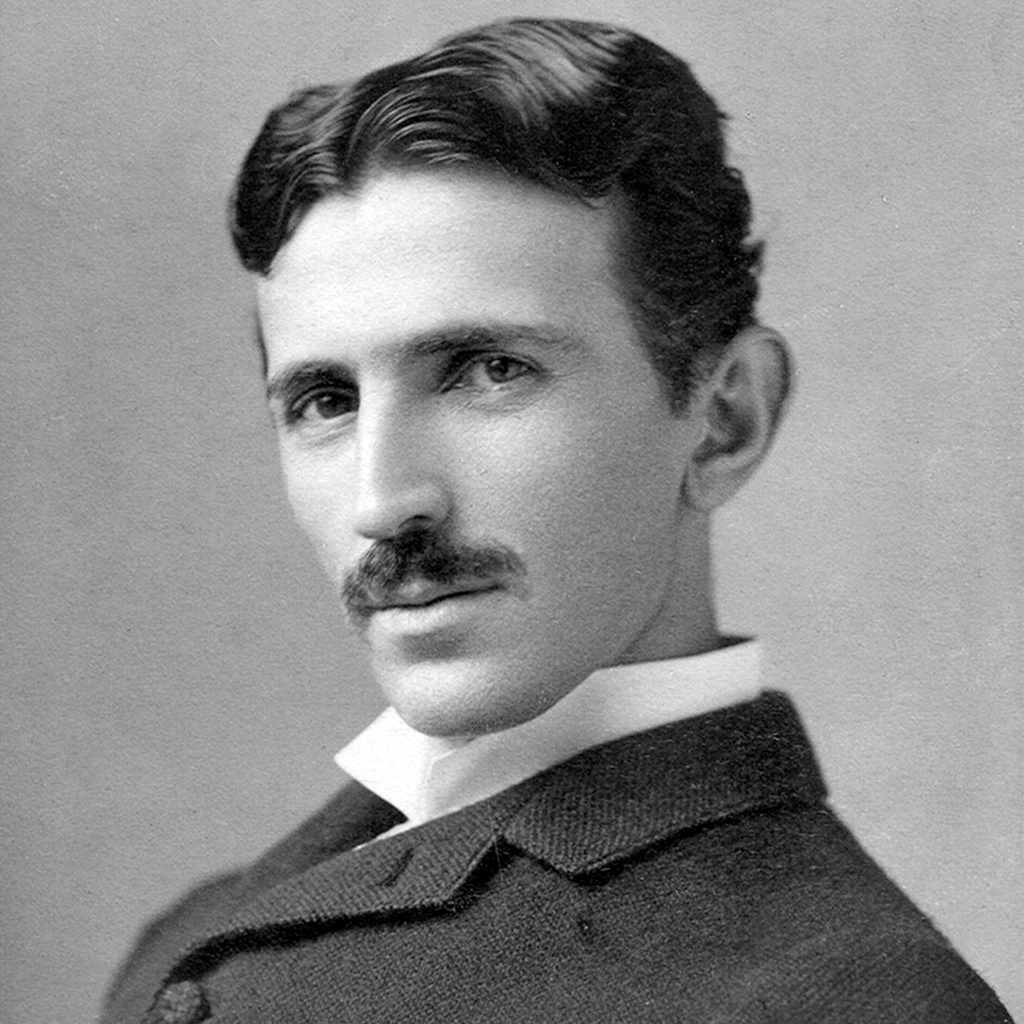

Nikola Tesla: Genius, Inventions and Enduring Myths
The Visionary Who Electrified the Modern World
Skygaze explores the life, revolutionary inventions, scientific achievements, and enduring myths surrounding one of history's most brilliant and fascinating inventors.
From Curious Child to Brilliant Inventor
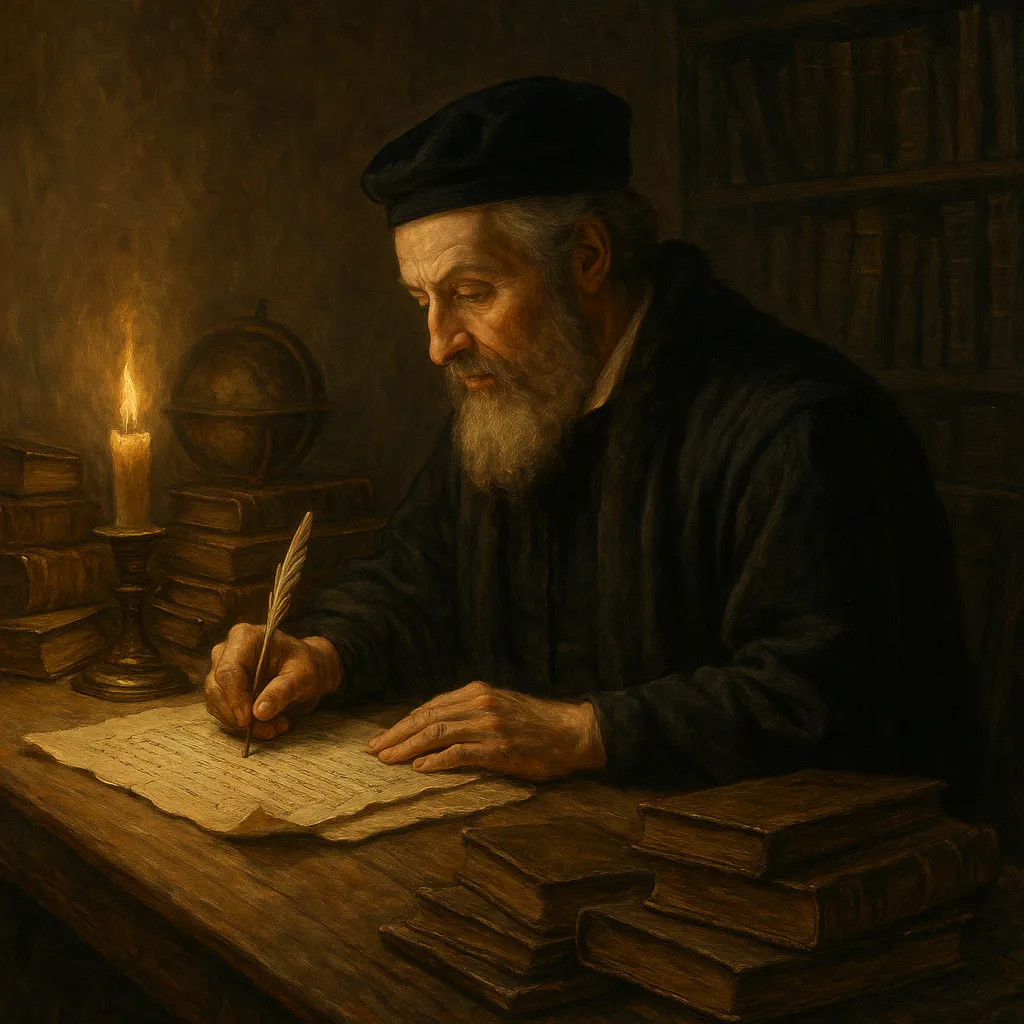
Nikola Tesla was born on July 10, 1856, in the village of Smiljan, then part of the Austrian Empire (present-day Croatia), to a Serbian Orthodox family. His father, Milutin Tesla, served as a Serbian Orthodox priest, while his mother, Duka Mandic, was known for her remarkable ingenuity and ability to create practical household tools despite having little formal education. Tesla often credited his mother's creativity and memory as a major inspiration for his own inventive mind.
From an early age Tesla displayed an extraordinary imagination and exceptional memory. He later claimed he could mentally visualize complex machines in remarkable detail, allowing him to test and refine inventions entirely in his mind before ever building a physical prototype.
After studying engineering and working in Europe, Tesla immigrated to the United States in 1884 with little money but enormous ambition. He briefly worked for Thomas Edison before the two men parted ways over differing technical ideas and business philosophies. Tesla believed alternating current (AC) offered a far more practical method of delivering electricity over long distances than Edison's direct current (DC) system.
Supported by inventor and entrepreneur George Westinghouse, Tesla helped develop the AC electrical system that eventually became the global standard. His innovations transformed the generation and distribution of electricity, laying the foundation for the modern power grids that continue to serve billions of people today. Learn how modern electric vehicles are reshaping the automotive industry.
Revolutionary Inventions
Tesla's work extended far beyond alternating current. During his career he developed or improved technologies involving electric motors, transformers, radio-frequency engineering, wireless transmission, remote control, and high-voltage experimentation. His inventions demonstrated possibilities that many scientists of his era believed impossible.
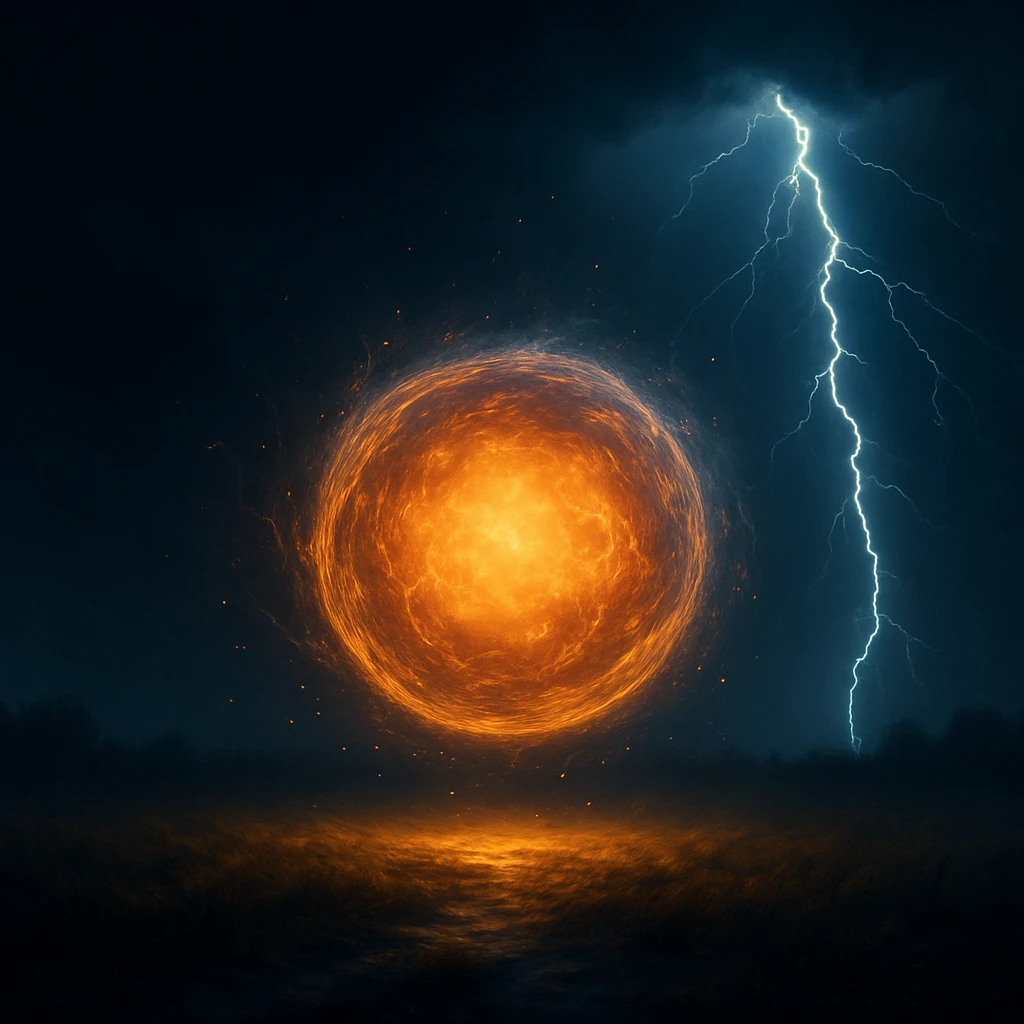
Among his best-known creations is the Tesla coil, a device capable of producing spectacular high-voltage electrical discharges. Although often associated with dramatic demonstrations of lightning-like sparks, the Tesla coil also contributed to early research into wireless communication and high-frequency electricity.
Tesla held hundreds of patents throughout his lifetime, many of which influenced modern electrical engineering. His work helped shape technologies ranging from hydroelectric power generation to radio, electric motors, robotics, and wireless communication. While not every idea reached commercial success, his influence on twentieth-century technology remains profound.
Wardenclyffe Tower and the Dream of Wireless Power
Perhaps no project better reflects Tesla's extraordinary ambition than Wardenclyffe Tower on Long Island, New York. Financed in part by banker J. P. Morgan, the tower was intended to demonstrate wireless communication while eventually supporting Tesla's larger vision of transmitting electrical power without wires across vast distances.
The project faced mounting financial difficulties as competing technologies advanced and investors questioned its commercial potential. Construction slowed, funding disappeared, and the tower was never completed as Tesla had envisioned. It was eventually demolished in 1917.
Although Wardenclyffe failed commercially, it became one of the most enduring symbols of Tesla's imagination. To some, it represented a visionary concept that was simply ahead of its time. To others, it illustrated the enormous challenges of turning bold scientific ideas into practical reality. More than a century later, the tower continues to inspire debate about what Tesla hoped to achieve and how far his vision truly extended.
A Legacy That Still Inspires
Few inventors have captured the public imagination quite like Nikola Tesla. His revolutionary work with alternating current helped power the modern world, while his research into wireless communication, high-frequency electricity, and remote control demonstrated an ability to envision technologies decades before they became practical realities. Today, his influence can be found in everything from power grids and electric motors to robotics and wireless technology.
At the same time, Tesla's later years gave rise to countless myths and legends. Stories of secret inventions, wireless energy capable of powering the entire planet, mysterious "death rays," and government files seized after his death continue to fuel books, documentaries, and internet speculation. While many of these claims remain unproven or greatly exaggerated, they have helped transform Tesla from a brilliant inventor into one of history's most enduring scientific legends.
More than eighty years after his death, Nikola Tesla continues to inspire scientists, engineers, entrepreneurs, and dreamers around the world. His life reminds us that today's impossible idea can become tomorrow's everyday technology. Skygaze invites readers to explore both the remarkable achievements and the enduring myths surrounding one of history's greatest inventors, and to decide for themselves where history ends and legend begins.