
What If Gravity Suddenly Disappeared?
Quick Answer: If Earth's gravity suddenly disappeared, the atmosphere, oceans, and everything not firmly attached to the planet would begin drifting into space almost immediately. Within minutes, life as we know it would cease, revealing just how completely gravity holds our world together.
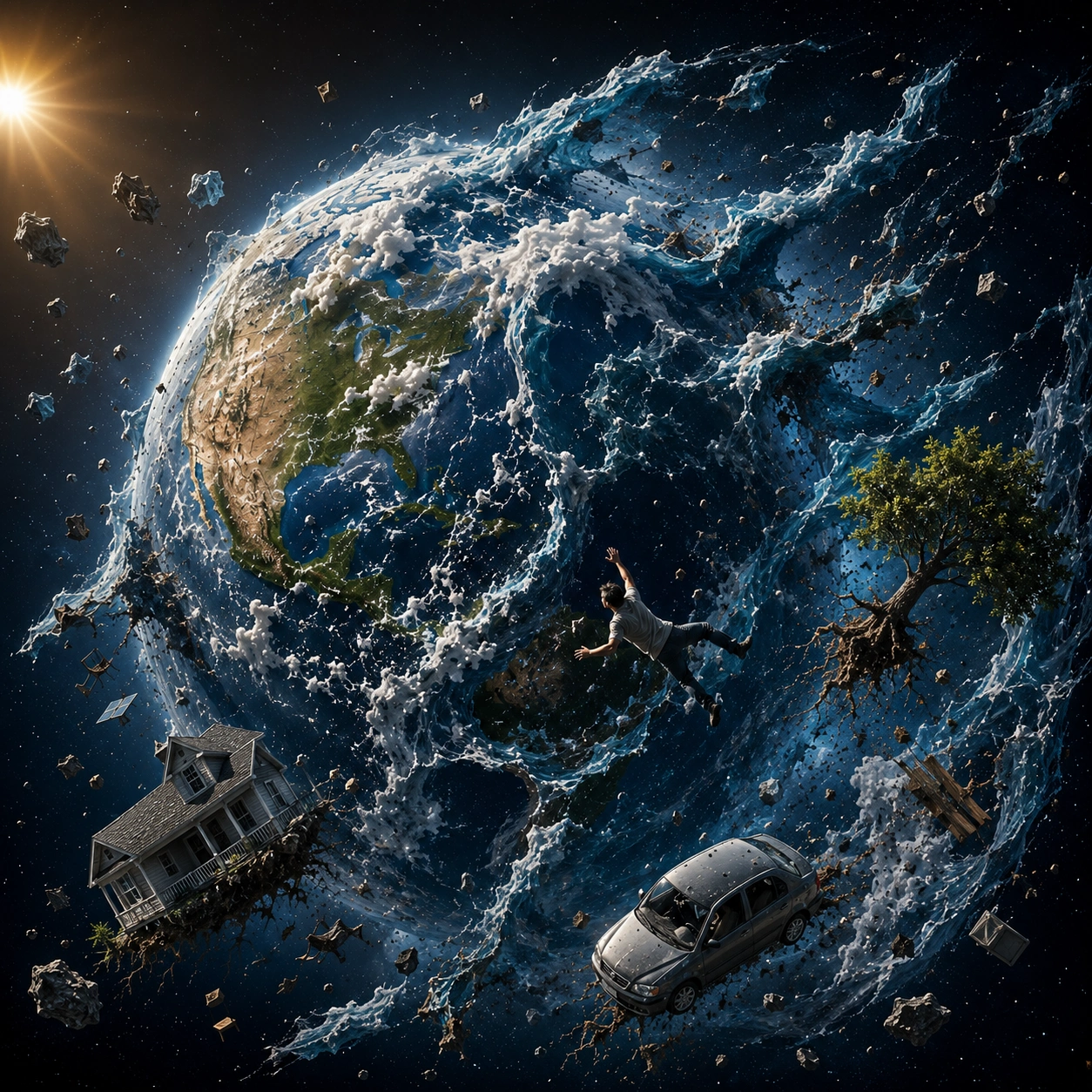
The Premise
Imagine waking up tomorrow morning to discover that Earth's gravity had suddenly vanished. Nothing explodes, the sky doesn't immediately change, and there is no warning. Yet within moments, loose objects begin drifting upward, the atmosphere starts escaping into space, and the familiar force that has shaped every second of human history is simply... gone.
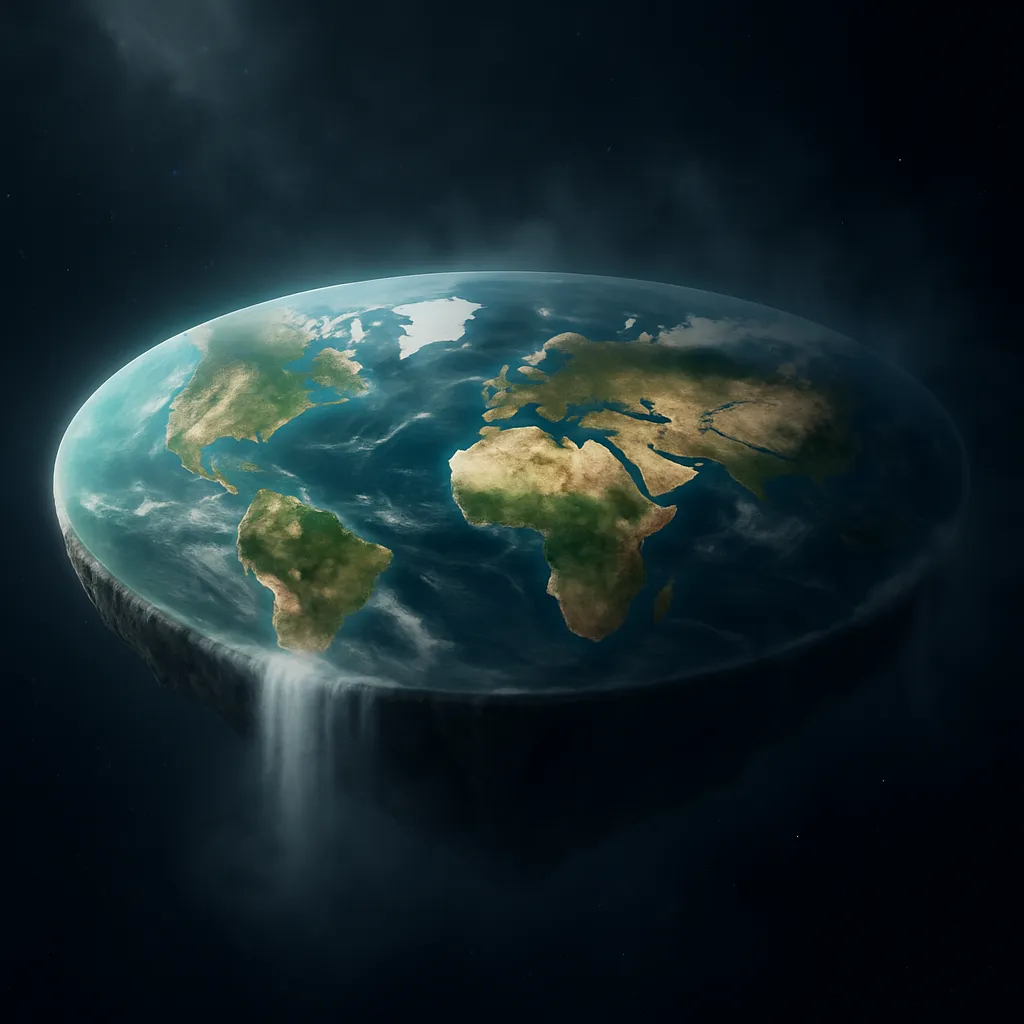
This isn't a world where gravity becomes weaker over time or where astronauts experience temporary weightlessness. It is a world where Earth's gravitational pull disappears completely and instantly. The planet itself still exists, but it can no longer hold onto its oceans, its air, or anything resting on its surface unless it is physically anchored.
At first, the idea sounds like something from science fiction. Yet gravity quietly governs nearly everything around us, from the tides and the movement of the Moon to the way we walk, breathe, and build our cities. If that invisible force suddenly ceased to exist, would humanity have any chance of adapting-or would we discover that gravity is the one thing our world simply cannot live without?
The Science and Speculation
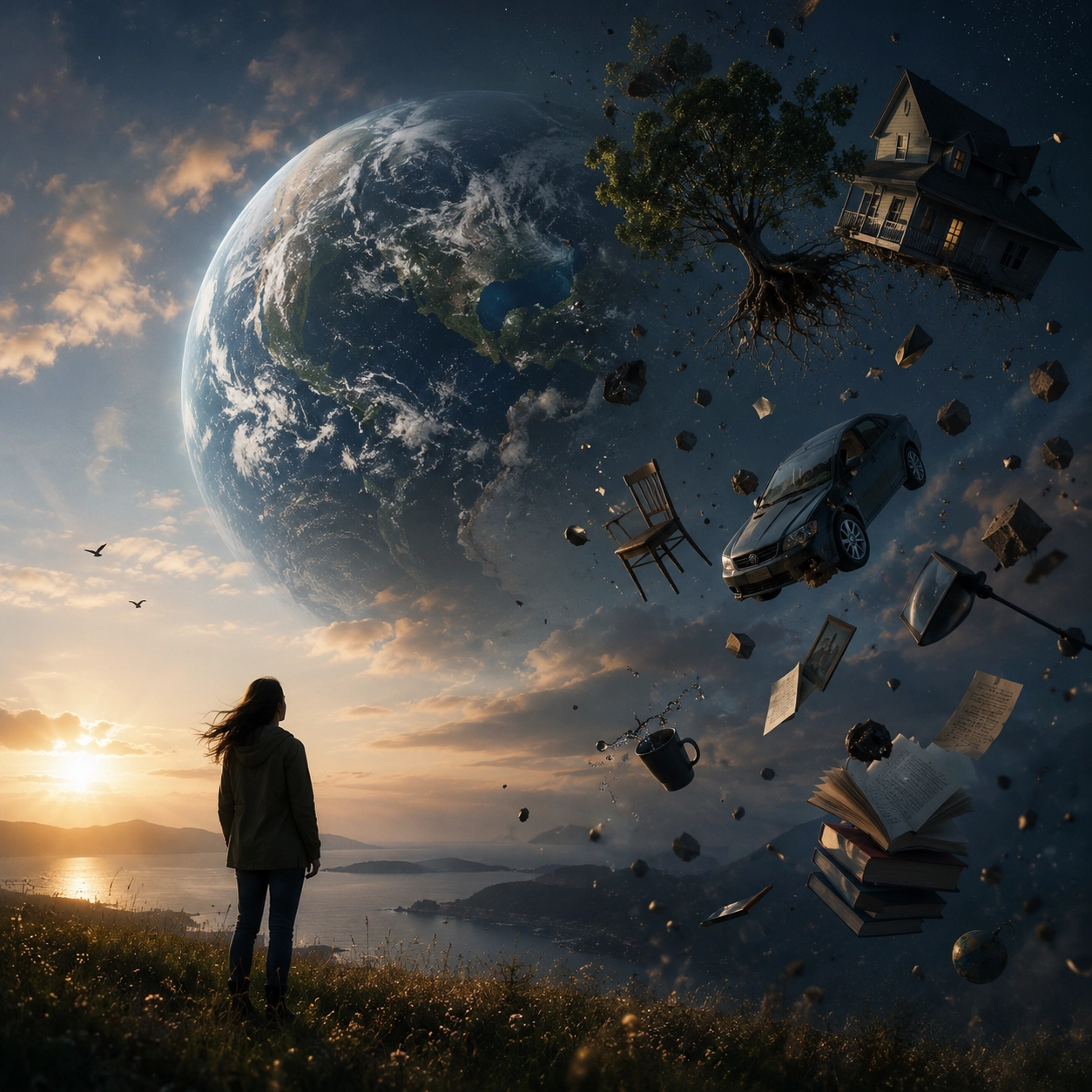
Gravity is one of the four fundamental forces of nature, yet it is also the weakest. Despite its relative weakness, gravity governs the motion of planets, stars, galaxies, and everything on Earth's surface. Every step we take, every breath we draw, and every drop of water in the oceans depends on Earth's constant gravitational pull.
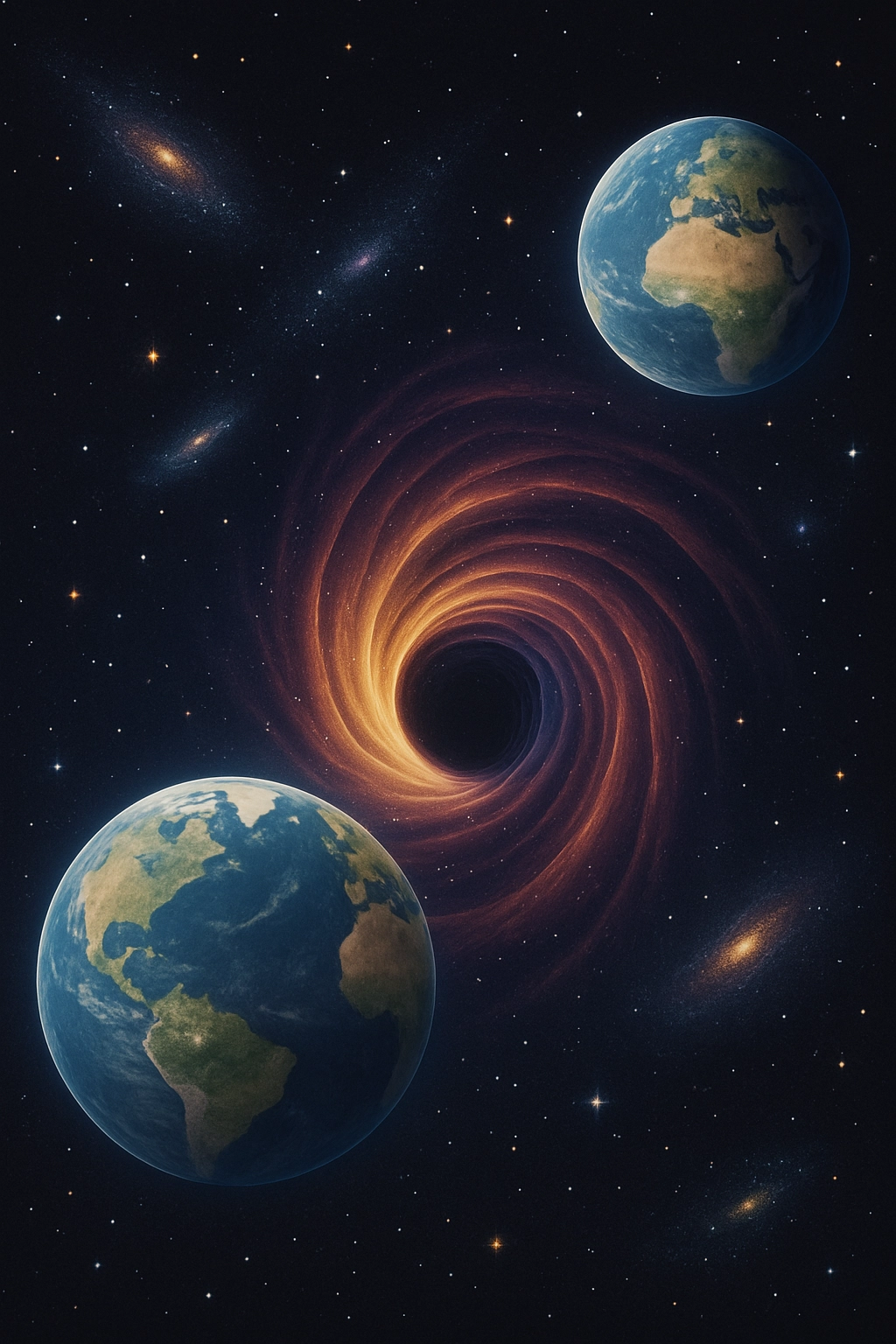
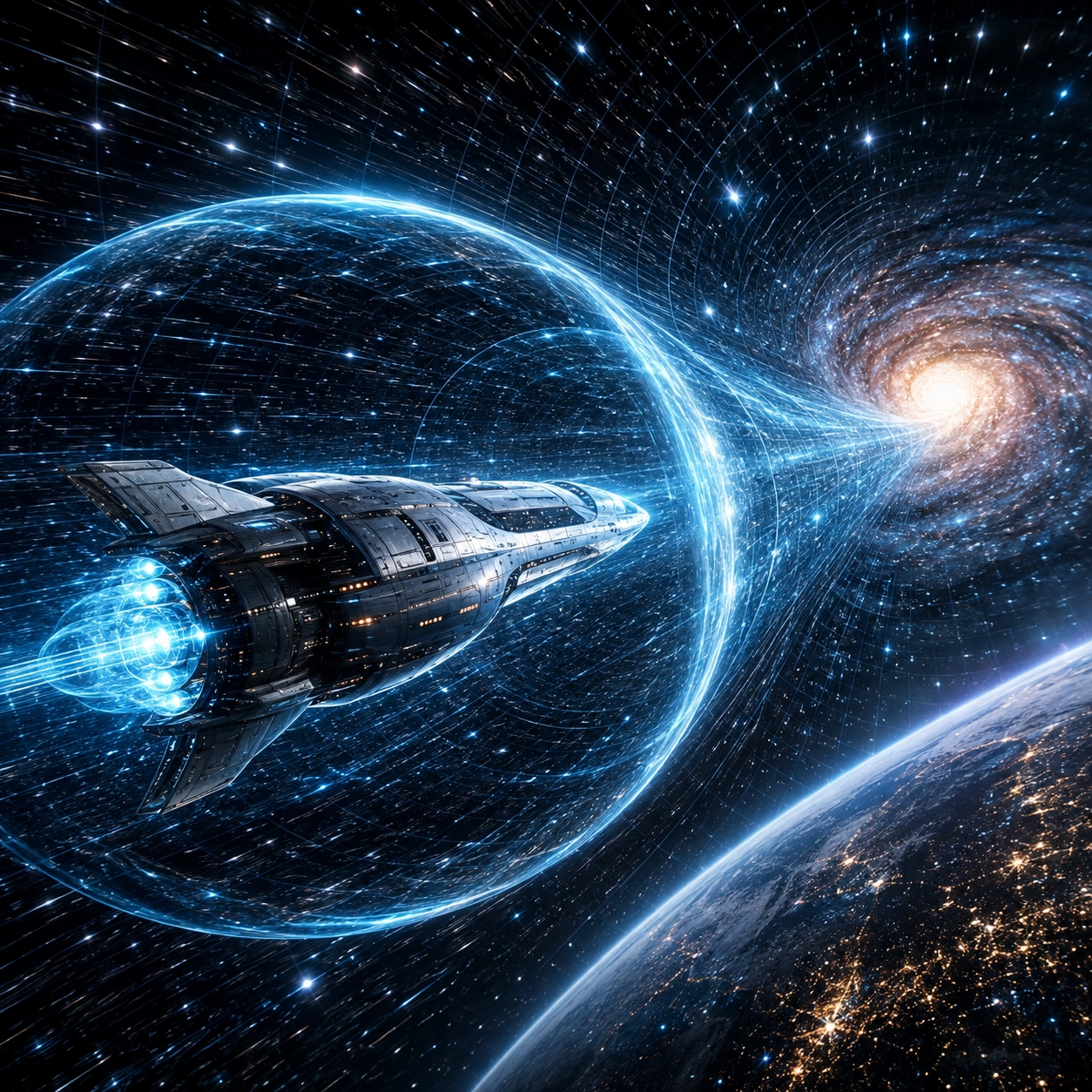
If Earth's gravity suddenly disappeared, the consequences would be immediate and catastrophic. The atmosphere would begin escaping into space, the oceans would no longer remain bound to the planet, and anything not physically attached to the ground would drift away. Even the Moon, whose orbit is maintained by Earth's gravity, would continue traveling through space along a different path.
Fortunately, nothing in modern physics suggests that gravity could simply switch off. According to our current understanding of the universe, gravity arises from the presence of mass and the curvature of space-time itself. While scientists continue searching for a deeper theory that unifies gravity with the other fundamental forces, the complete disappearance of gravity remains firmly within the realm of thought experiments.
Even so, imagining such an impossible event highlights just how completely gravity shapes our everyday lives. It is an invisible force we rarely notice, yet without it, Earth would cease to be the stable home that has allowed life to flourish for billions of years.
Possible Consequences
- The Atmosphere Escapes: Earth's gravity holds the air around our planet. Without it, the atmosphere would begin drifting into space, leaving humans and animals without breathable air within minutes.
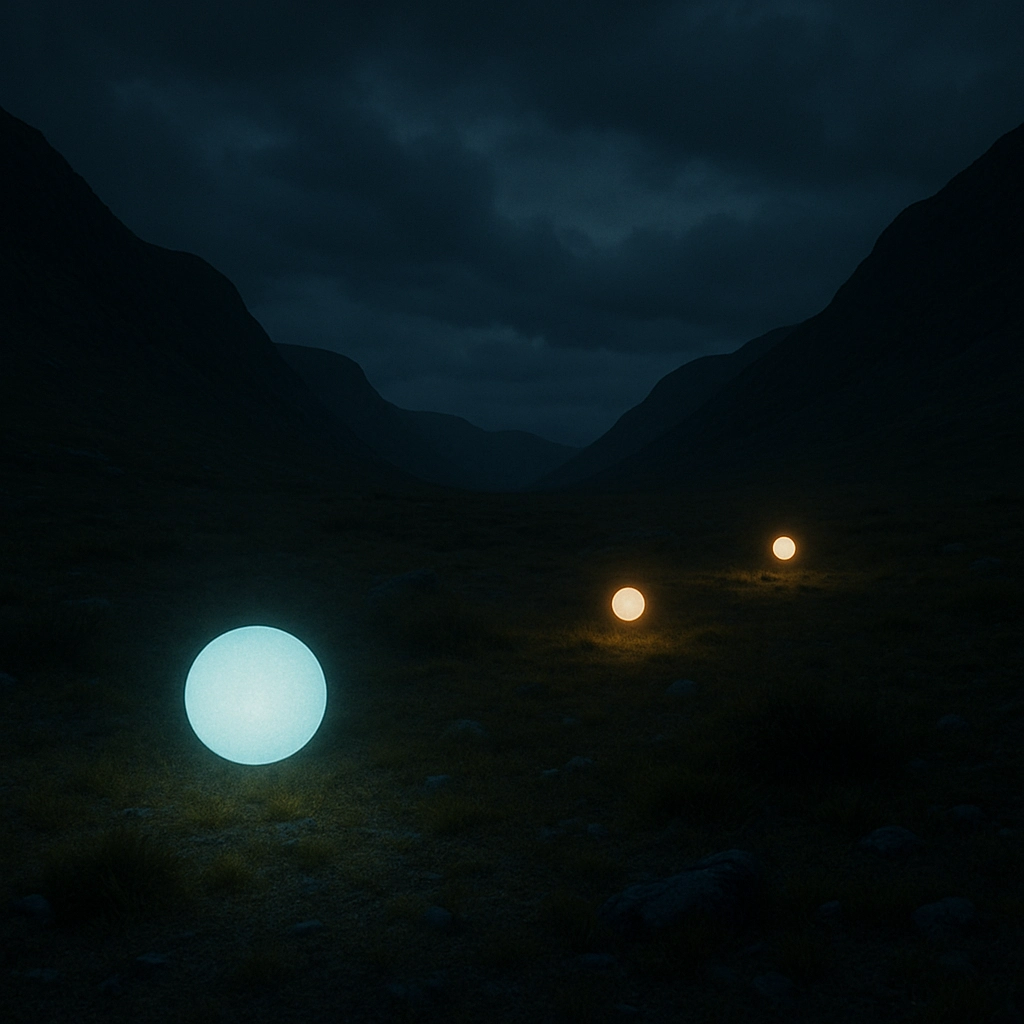
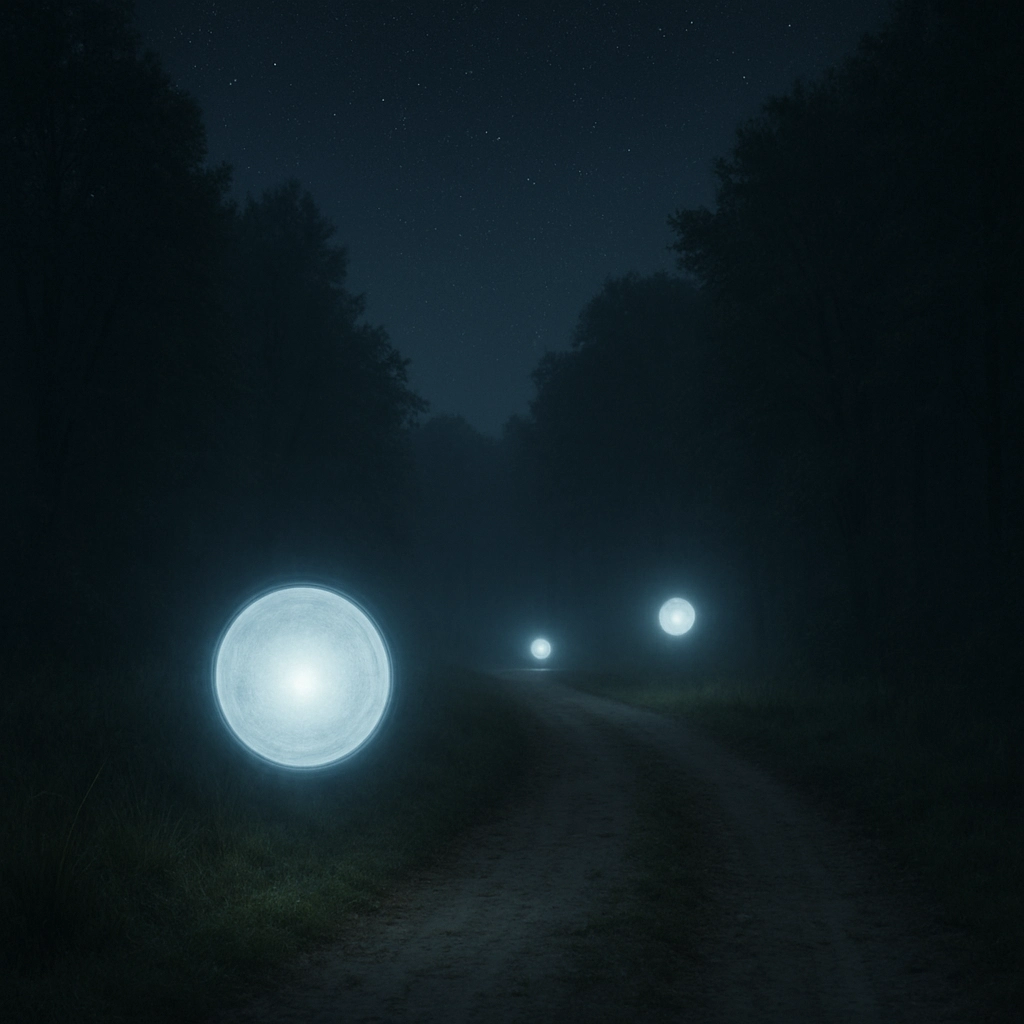
- Oceans Leave the Planet: Seas, lakes, and rivers are bound to Earth by gravity. As that force vanished, enormous masses of water would slowly lift away, forming giant floating clouds and spheres before dispersing into space.
- Everything Becomes Weightless: People, vehicles, furniture, and countless everyday objects would no longer remain on the ground unless physically secured. Walking would become impossible as loose objects drifted freely in every direction.
- The Moon Breaks Free: The Moon remains in orbit because of Earth's gravity. Without that attraction, it would continue traveling through space in a straight path, forever leaving the Earth behind.
- Buildings Face New Stresses: Modern structures are designed with gravity in mind. While many buildings would initially remain standing, their foundations, support systems, and countless engineered components would no longer behave as intended.
- Life Ends Rapidly: Even if people could somehow avoid drifting into space, the loss of air, water, and stable environmental conditions would make Earth uninhabitable. The planet would no longer be capable of supporting life.
- We Finally Appreciate Gravity: Gravity is one of the few forces we almost never notice because it has always been there. Losing it would reveal that nearly every aspect of life, from breathing and walking to weather and oceans, depends upon an invisible force we usually take for granted.
Surprising Facts
- Gravity is the weakest of the four fundamental forces of nature, yet because it acts over enormous distances and affects everything with mass, it shapes the structure of planets, stars, galaxies, and the universe itself.
- You weigh slightly less at the top of a mountain than at sea level because the farther you are from Earth's center, the weaker its gravitational pull becomes.
- Astronauts aboard the International Space Station are not beyond Earth's gravity. They experience weightlessness because they are continuously falling around Earth while traveling at tremendous speed.
- Without gravity, Earth's atmosphere and oceans could not remain attached to the planet. The very air we breathe and the water that sustains life are held in place by an invisible force we rarely notice.
In Pop Culture
Gravity has long captured the imagination of filmmakers and science fiction writers. Movies such as Gravity explore the dangers of surviving in orbit, while countless space adventures imagine astronauts living and working in weightlessness. Although these stories rarely suggest Earth's gravity could disappear entirely, they remind us how challenging life becomes when gravity is reduced or absent.
Other films and television series have experimented with artificial gravity, anti-gravity technology, and floating worlds where the familiar rules of physics no longer apply. These imaginative settings often use the loss of gravity to create breathtaking visuals while exploring humanity's relationship with space and the forces that shape our universe.
If Earth's gravity suddenly vanished, however, the reality would be far more dramatic than fiction usually portrays. Instead of simply floating through the air, humanity would witness the atmosphere, oceans, and even the Moon beginning to leave the planet, revealing just how essential gravity is to every aspect of life on Earth.
Expert Take

Physicists describe gravity as one of the four fundamental forces of nature and one of the most important. Although it is far weaker than the electromagnetic and nuclear forces at the atomic scale, gravity dominates the behavior of planets, stars, galaxies, and the large-scale structure of the universe. It is the force that gathers matter together and gives the cosmos its shape.
Scientists also recognize that gravity remains one of physics' greatest mysteries. Albert Einstein's theory of general relativity explains gravity as the curvature of space-time caused by mass and energy, yet researchers continue searching for a deeper theory that unifies gravity with quantum mechanics. Despite decades of research, gravity still holds many unanswered questions.
What experts do agree on is that Earth's gravity quietly makes life possible. It holds our atmosphere in place, keeps the oceans from drifting into space, guides the Moon in its orbit, and provides the stable environment that has allowed life to evolve for billions of years. If gravity somehow vanished, even briefly, the consequences would extend far beyond weightlessness - they would fundamentally transform our planet.
Skygaze Twist
What if gravity's greatest gift isn't that it keeps us from floating away, but that it quietly holds our entire world together? We rarely notice gravity because it has never failed us. Every breath we take, every ocean wave, every sunrise, and every step depends on an invisible force we usually take for granted. Perhaps the most remarkable thing about gravity isn't its strength, but its unwavering reliability. Sometimes the most extraordinary forces are the ones we never stop to appreciate.
What About You?
If tomorrow morning you woke up to a world without gravity, what would be the very first thing you noticed? Would humanity find a way to survive, or would the loss of this invisible force reveal just how fragile our planet truly is? After reading this, do you think you'll ever look at gravity the same way again? Think it over, and continue exploring more bold possibilities here on Skygaze.