
Ball Lightning: The Mystery of Nature's Glowing Orbs
What is Ball Lightning?
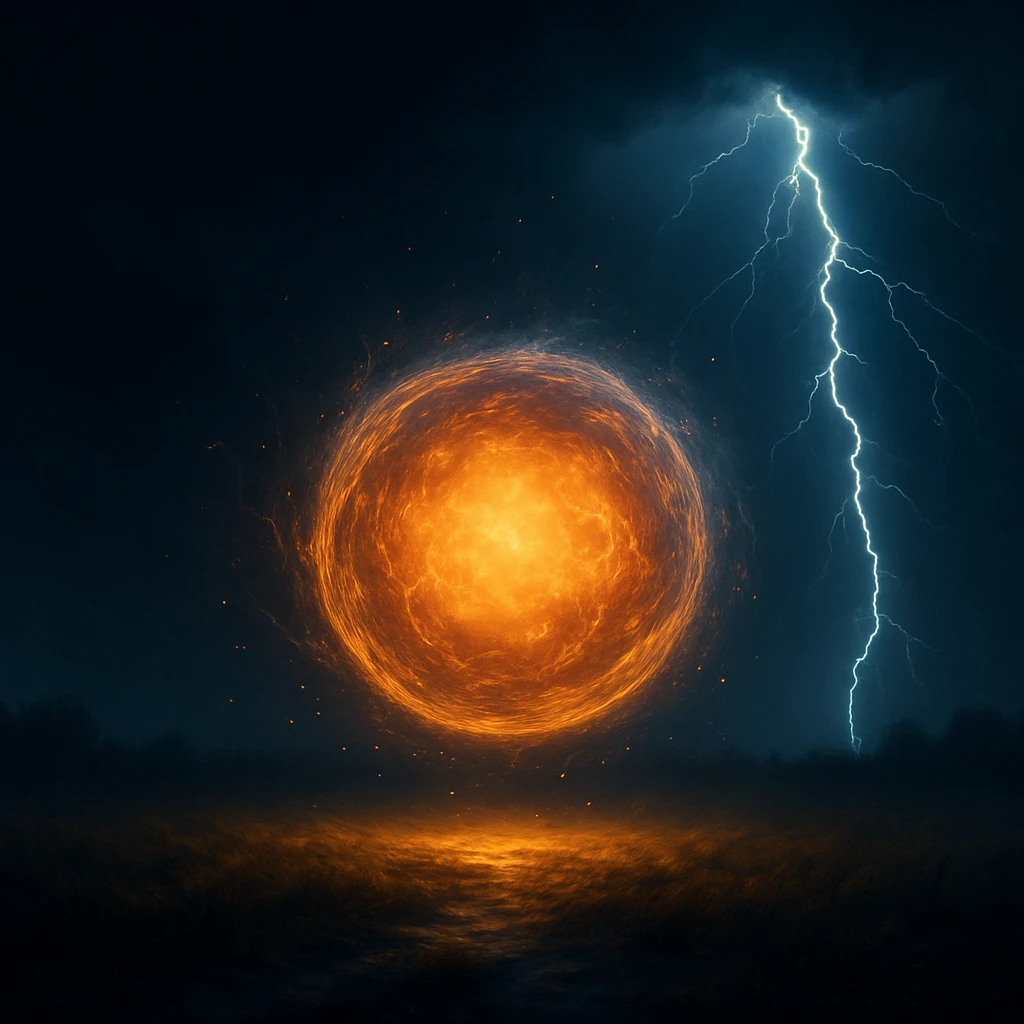
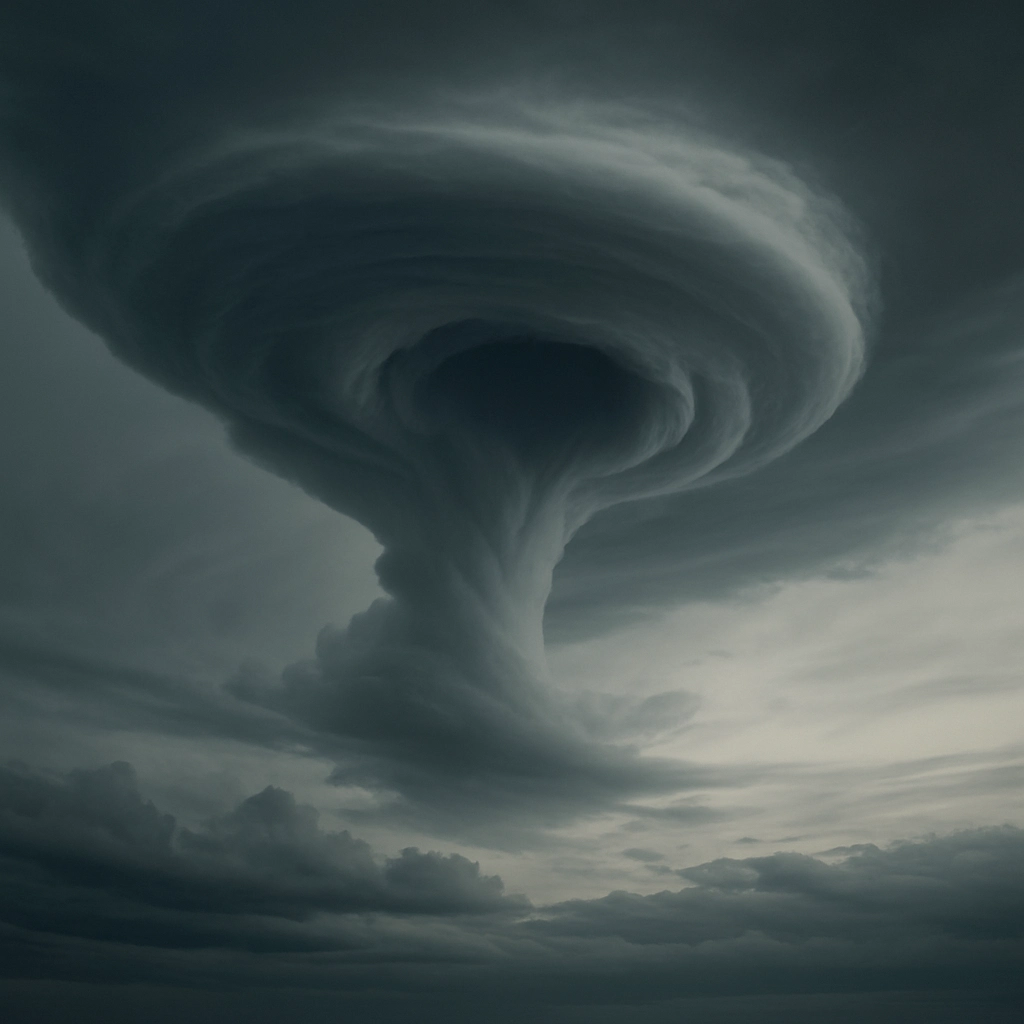
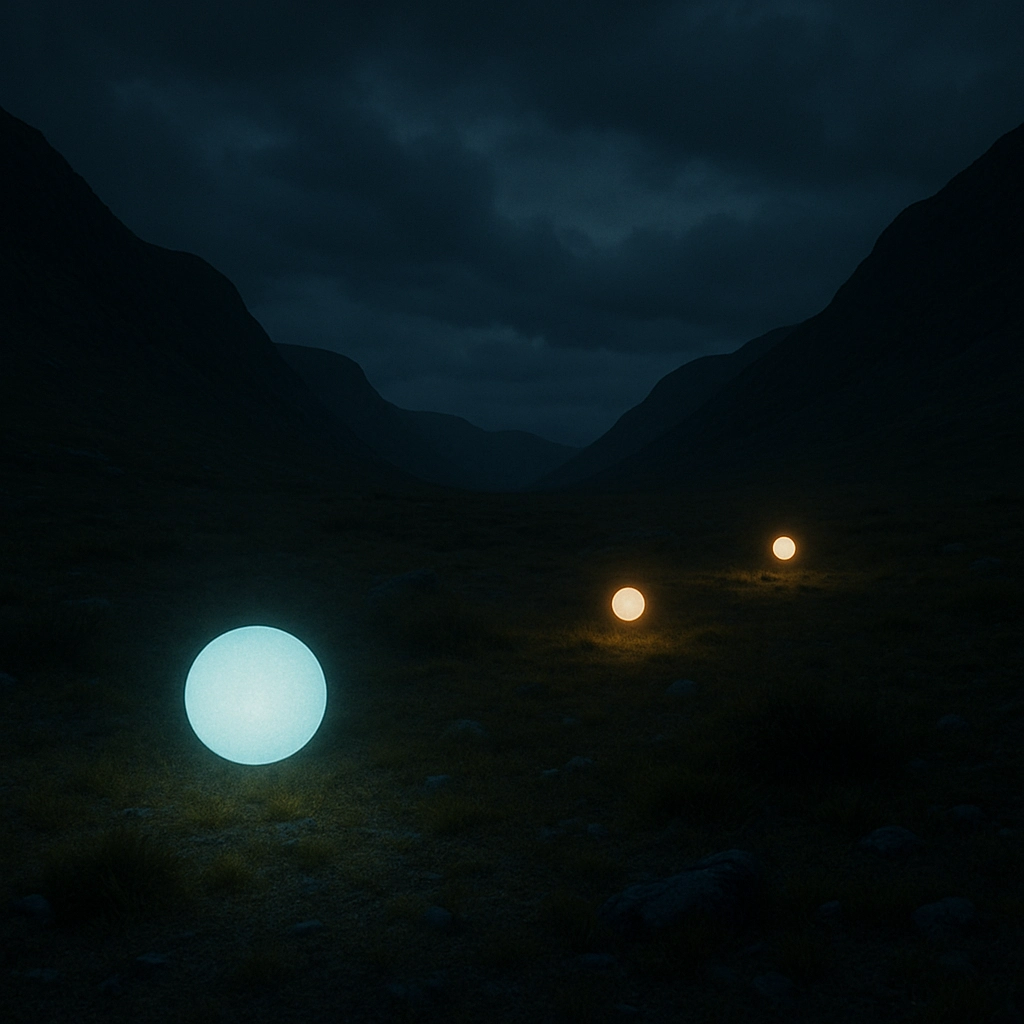
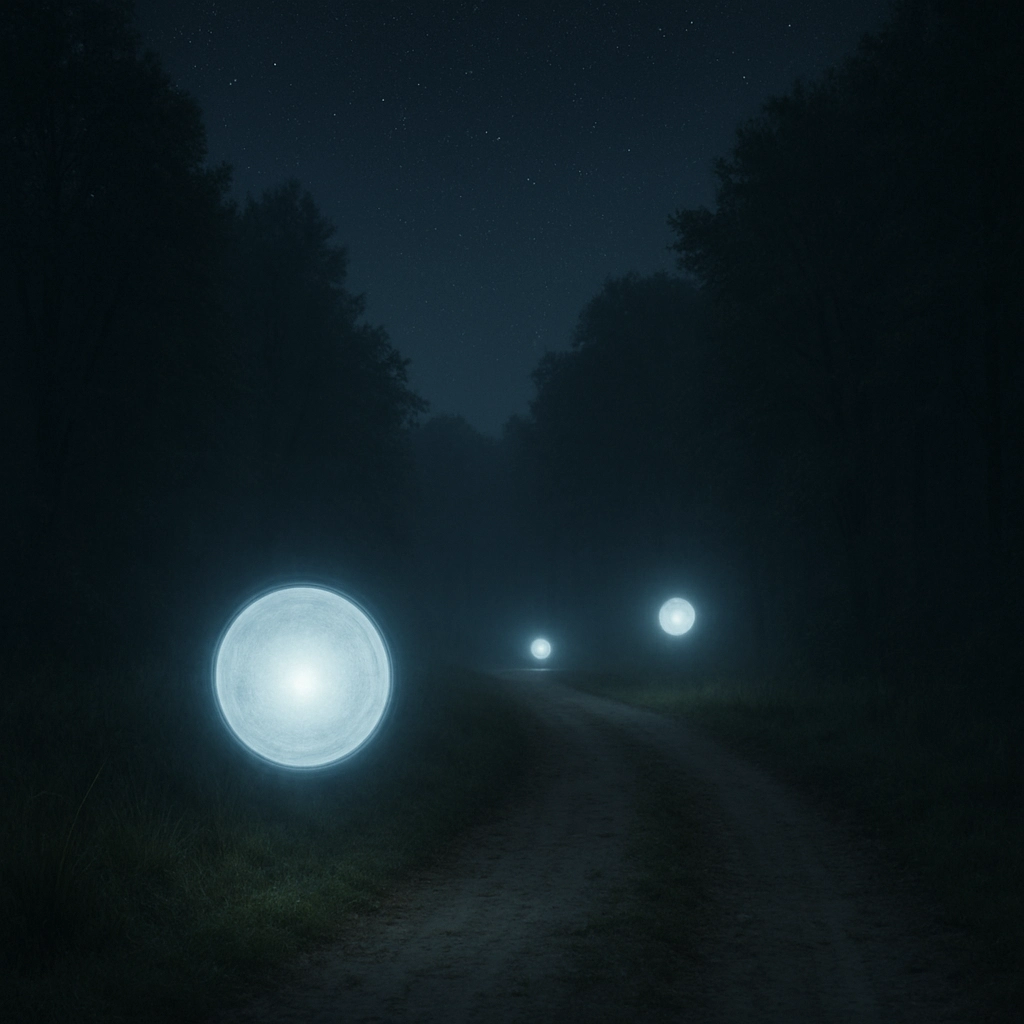
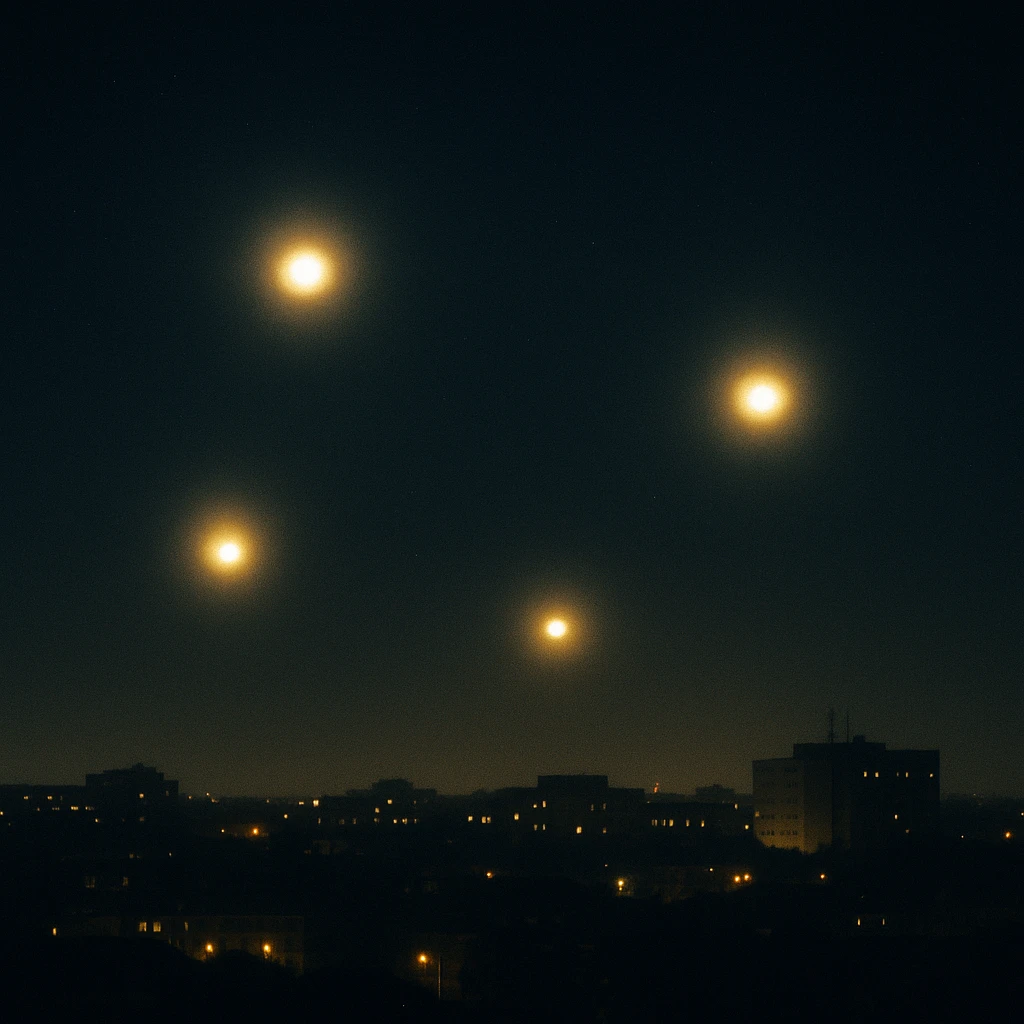
Ball lightning is one of the most fascinating and least understood mysteries in atmospheric science. For centuries, eyewitnesses have described glowing spheres of light appearing during or shortly after thunderstorms. Often ranging from the size of a golf ball to a basketball, these luminous orbs have been reported floating silently through the air, drifting into buildings, passing through windows, hovering above the ground, or disappearing suddenly without leaving obvious traces. Although thousands of observations have been recorded worldwide, scientists continue to debate exactly what ball lightning is-and whether a single explanation can account for every reported encounter.
Historic Sightings
Reports of ball lightning stretch back hundreds of years. One of the earliest well-known accounts occurred in 1638, when a "great ball of fire" reportedly entered a church in Devon, England during a violent storm, causing destruction and several deaths. Since then, sailors, soldiers, pilots, and ordinary homeowners have all described remarkably similar glowing spheres appearing during thunderstorms. While some accounts may be exaggerated or misidentified, the consistency of many reports across different countries and centuries has convinced researchers that the phenomenon deserves serious scientific investigation.
Uncanny Behavior
Unlike ordinary lightning, ball lightning is often described as moving slowly and unpredictably. Witnesses have reported glowing spheres drifting against the wind, floating through open doorways, descending chimneys, rolling across the ground, or hovering motionless before suddenly vanishing. Some accounts even suggest the objects appeared to pass through glass or thin walls without causing visible damage. These unusual behaviors have inspired numerous explanations, ranging from electrically charged plasma and microwave energy to optical illusions and other atmospheric effects that scientists are still attempting to understand.
Modern Scientific Attempts
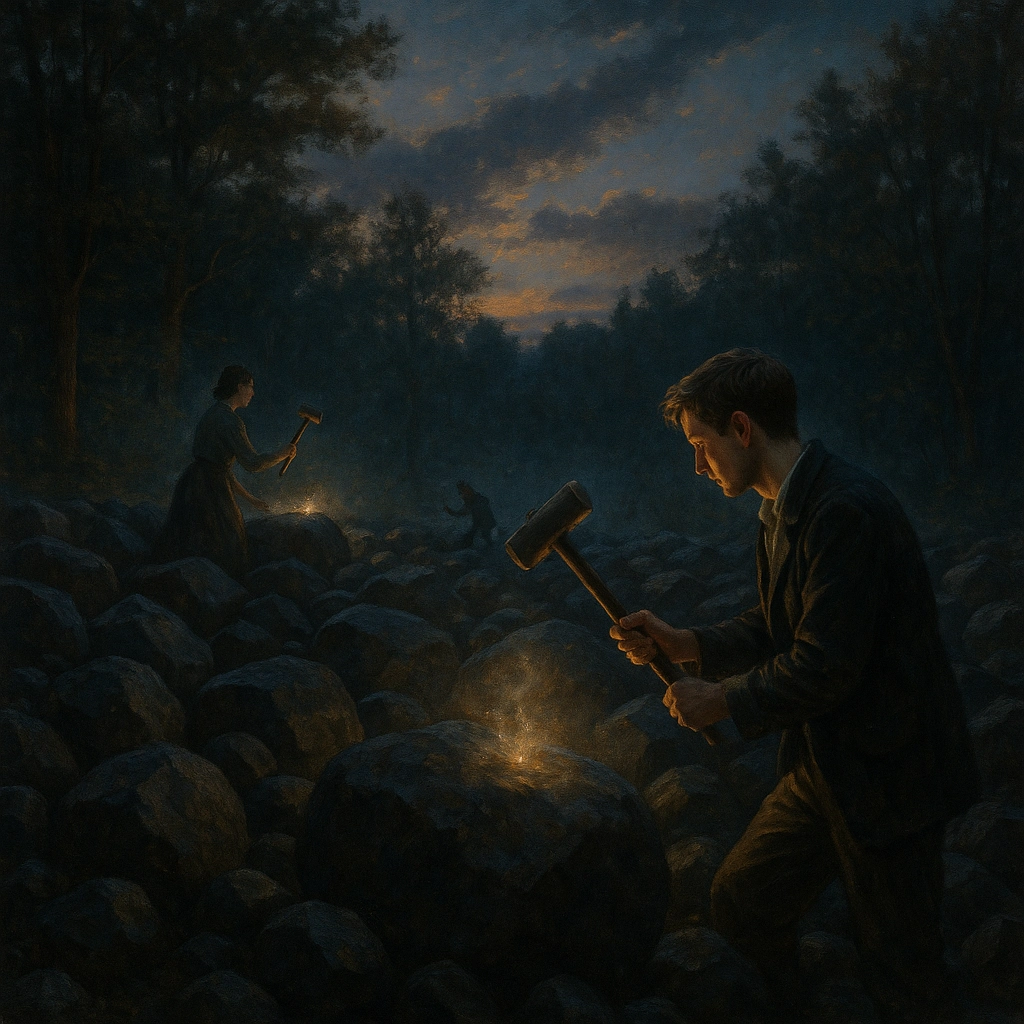
For decades, researchers have attempted to recreate ball lightning in laboratory conditions using high-voltage electricity, plasma discharges, microwave energy, and vaporized materials. While several experiments have produced short-lived glowing spheres that resemble eyewitness descriptions, none has fully duplicated the remarkable behavior reported during natural thunderstorms. Advances in high-speed cameras, atmospheric sensors, and computer simulations have renewed scientific interest, yet ball lightning remains one of the least understood phenomena associated with severe weather.
Famous Encounters
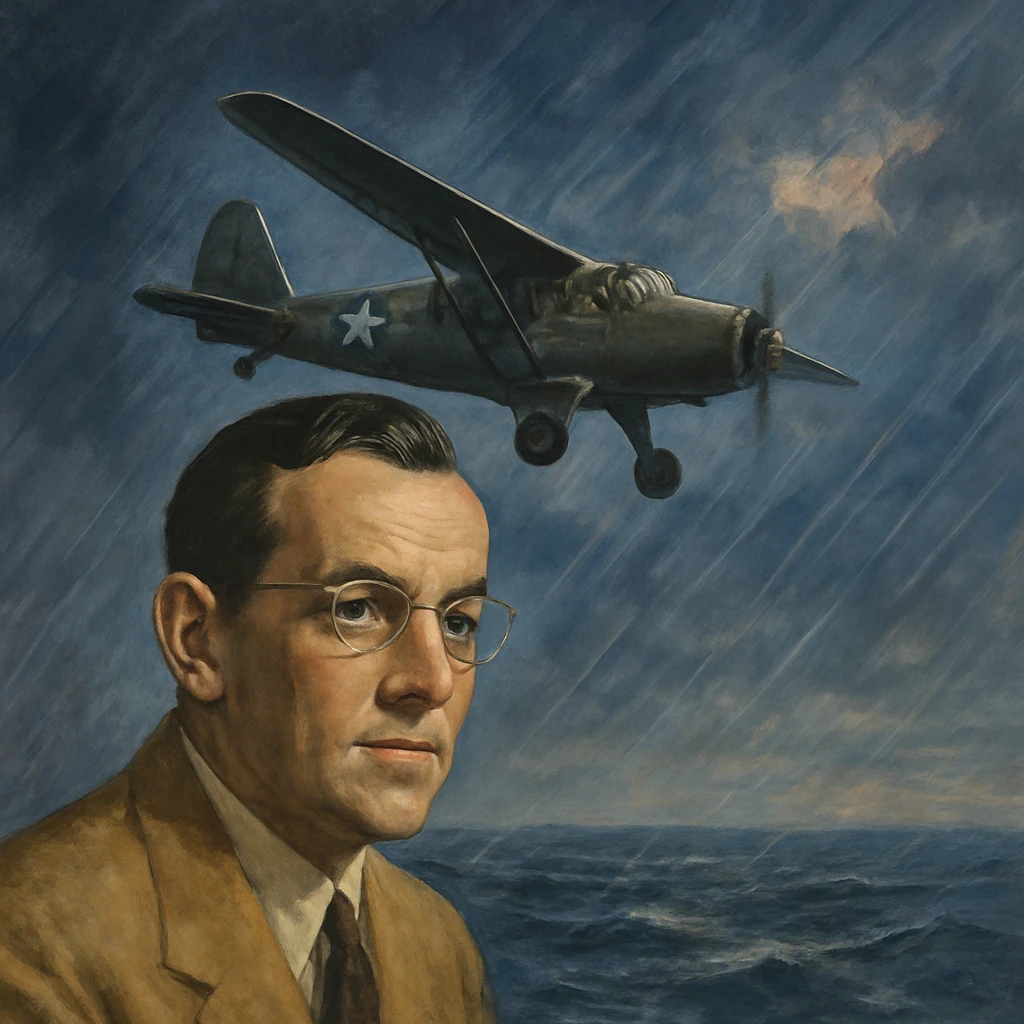
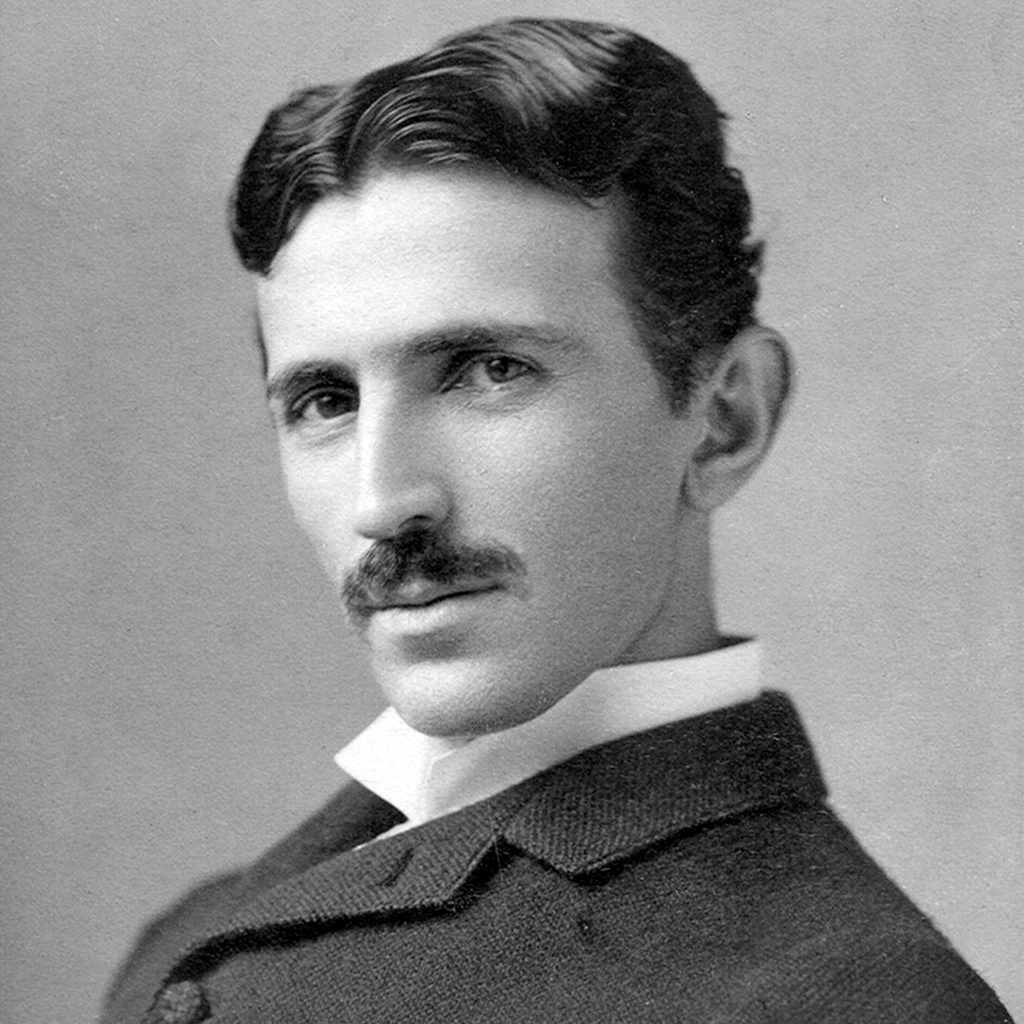
Some of history's most respected scientists and observers have reported experiences that resemble ball lightning. Nikola Tesla believed his electrical experiments produced similar glowing spheres during the late nineteenth century. During World War II, Allied and Axis pilots frequently described mysterious luminous objects-known as "foo fighters"-that followed aircraft through stormy skies, leading some researchers to wonder whether at least some sightings involved ball lightning. In 2014, scientists in China successfully recorded a glowing sphere during a thunderstorm while studying lightning, providing one of the most significant modern observations of the phenomenon.
Theories and Skepticism
Because ball lightning is so difficult to study, numerous explanations have been proposed. Some researchers believe it may involve unusual forms of plasma sustained by electromagnetic energy, while others suggest vaporized silicon particles created by lightning strikes or microwave radiation trapped in the atmosphere. Skeptics argue that many reports may result from optical afterimages, misidentified electrical phenomena, or psychological effects produced during intense storms. Although a handful of fabricated photographs and exaggerated stories have appeared over the years, many carefully documented eyewitness accounts remain unexplained, ensuring that scientific interest continues.
Why the Mystery Endures
Ball lightning occupies a rare place where eyewitness testimony, atmospheric science, and genuine scientific uncertainty meet. Unlike many legendary mysteries, researchers generally agree that unusual glowing spheres have been observed-even if their exact nature remains uncertain. Whether future studies reveal an exotic form of plasma, a rare electrical process, or an entirely new atmospheric phenomenon, ball lightning reminds us that nature still holds mysteries capable of surprising both scientists and casual observers alike.