
Strange and Unexplained Moments in Space Exploration Explained
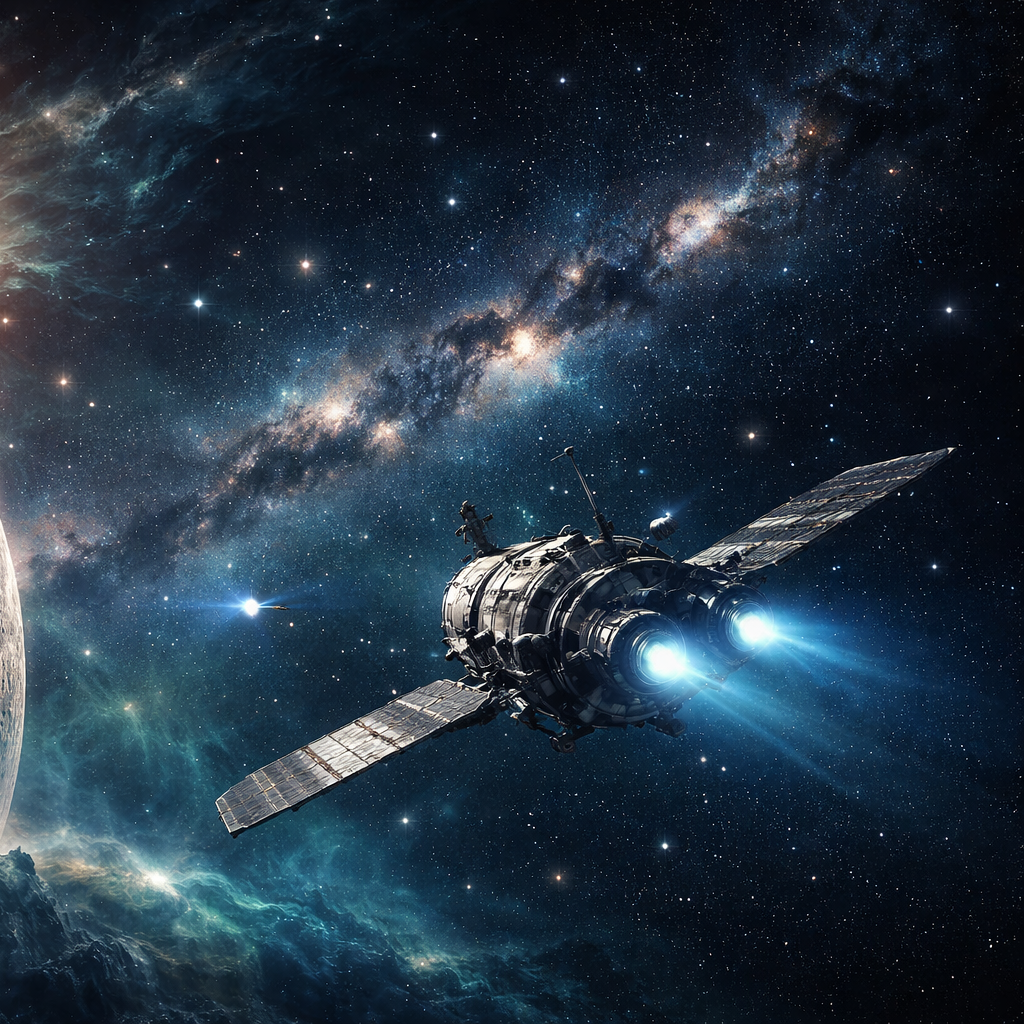
Space exploration has pushed human vision farther than ever before, yet some of what is seen, heard, and recorded beyond Earth still resists easy explanation. From strange lights and unexpected signals to unusual visual effects, certain moments continue to raise questions even in an age of advanced technology.
In many cases, science eventually provides an answer. In others, explanations remain incomplete or open to interpretation. That uncertainty is part of what makes space so fascinating. The farther humanity travels from Earth, the more it encounters environments that are beautiful, hostile, and sometimes deeply unfamiliar.
Why Space Still Raises Questions
- Extreme distances make direct verification difficult
- Radio delays and signal gaps can create confusion
- Lighting, shadows, and reflections behave in unusual ways
- High stress conditions can magnify strange observations
- Some events are captured only briefly and never repeated
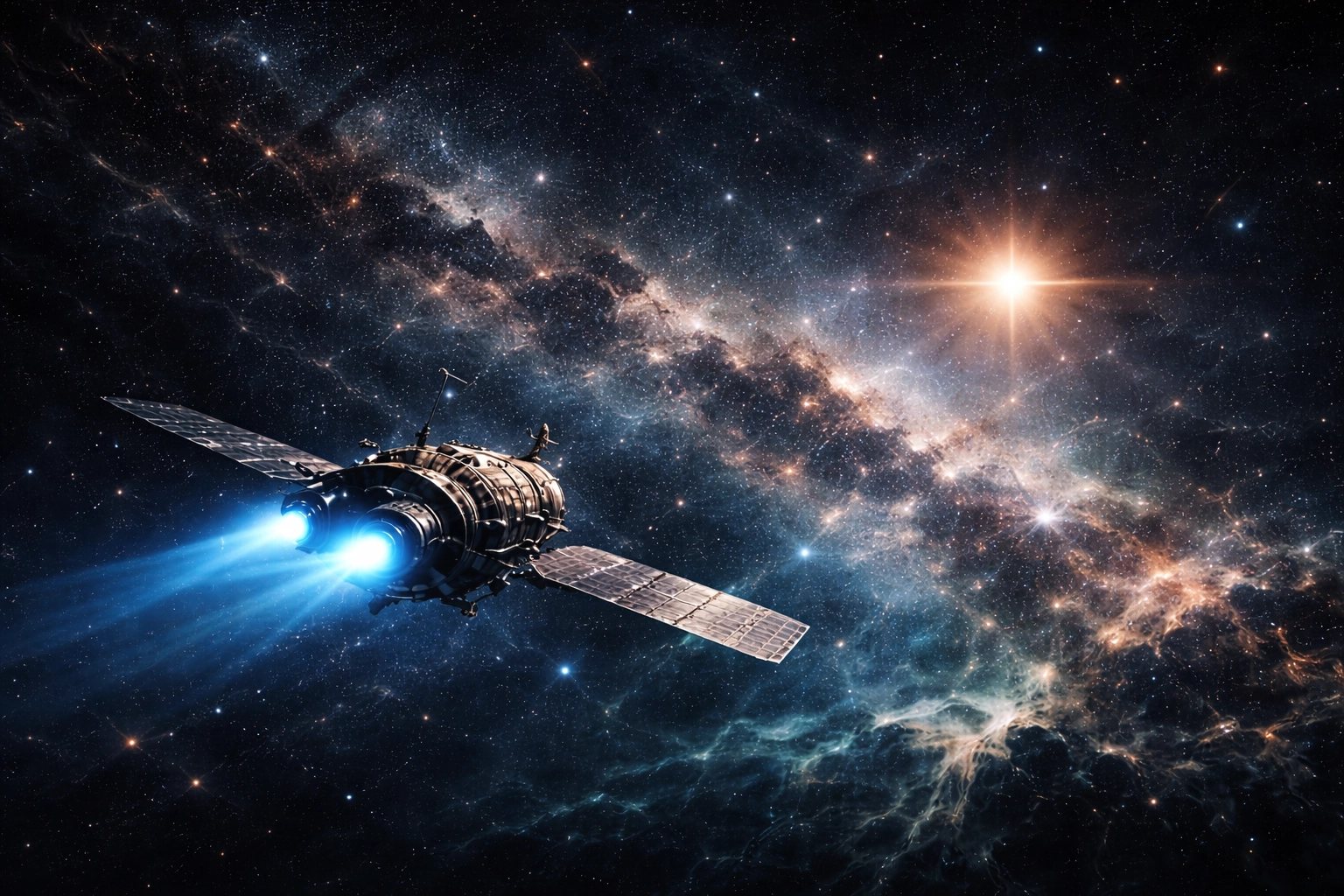
Patterns Behind the Mystery
Visual Illusions in an Unfamiliar Environment
Space is filled with harsh sunlight, deep shadow, reflective surfaces, and unusual angles. A harmless glare, floating debris, or camera artifact can quickly look mysterious when viewed outside the normal context of Earth. Many strange sightings begin with the simple fact that space does not behave like the environment people are used to.
Technology Does Not Always Tell a Clean Story
Cameras, sensors, and communications systems are powerful, but they are not perfect. Static, signal interference, compression artifacts, and brief hardware glitches can produce moments that seem more dramatic than they really are. Once such a moment enters the public imagination, it can take on a life of its own.
The Unknown Always Feels Bigger in Space
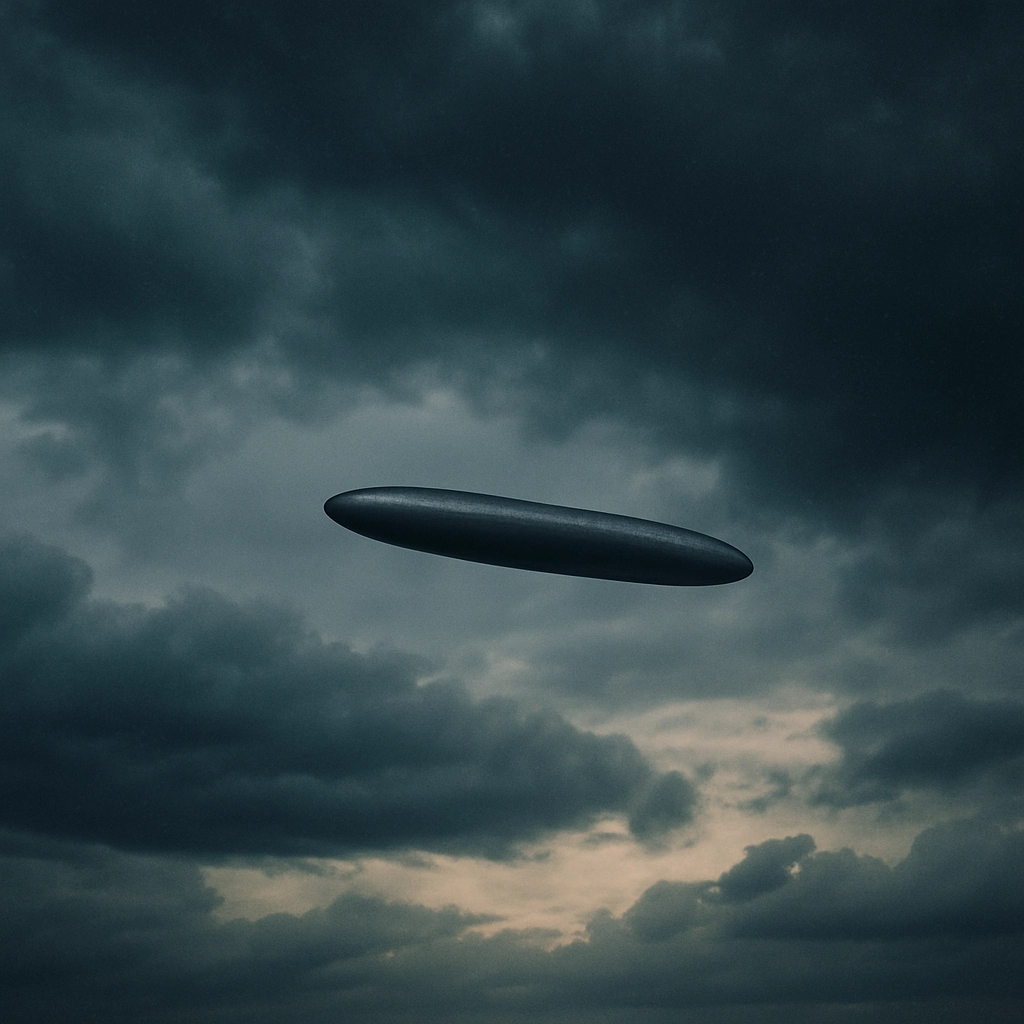
A strange light in the sky from Earth may be dismissed as an aircraft, a planet, or a weather effect. In orbit or deep space, the same unexplained event feels heavier. The setting changes the emotional weight. Space already represents the unknown, so any anomaly seems charged with deeper meaning.
Notable Examples
Unusual Lights Reported by Astronauts
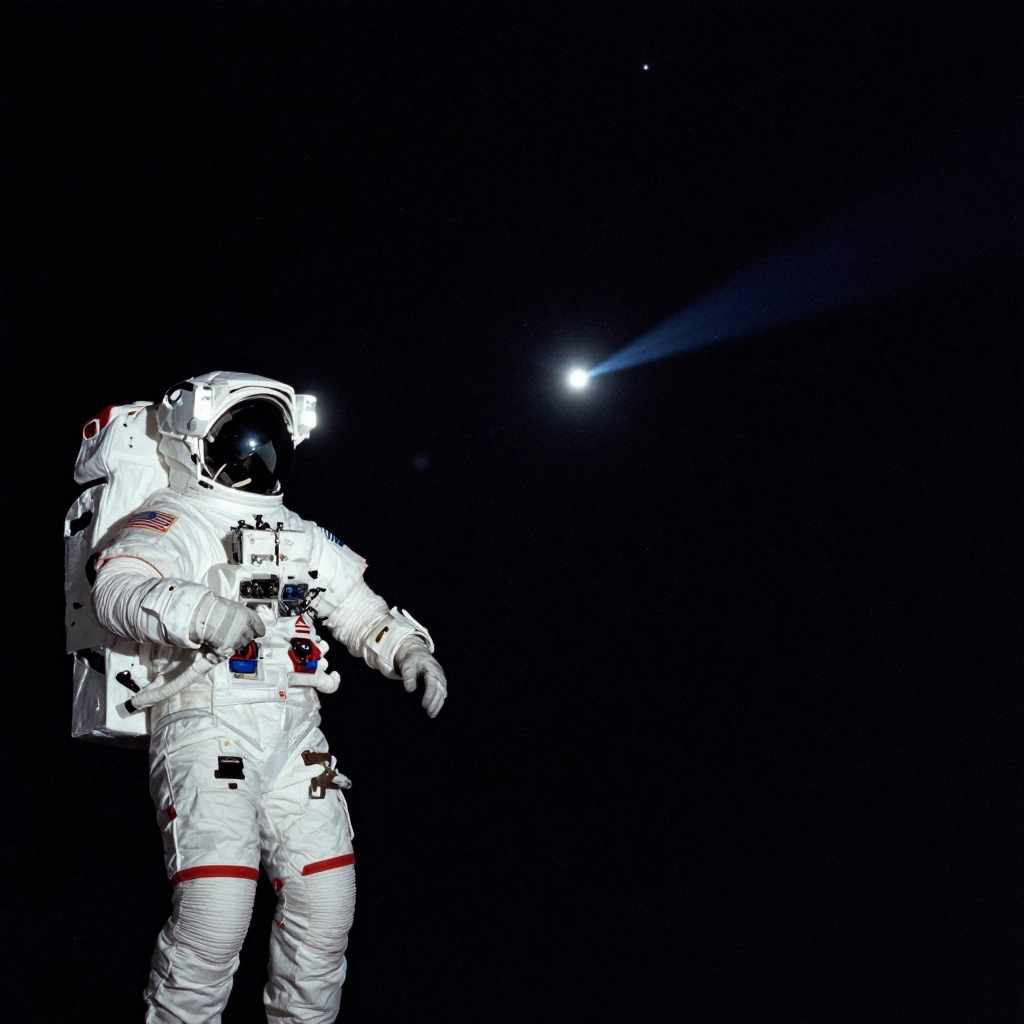
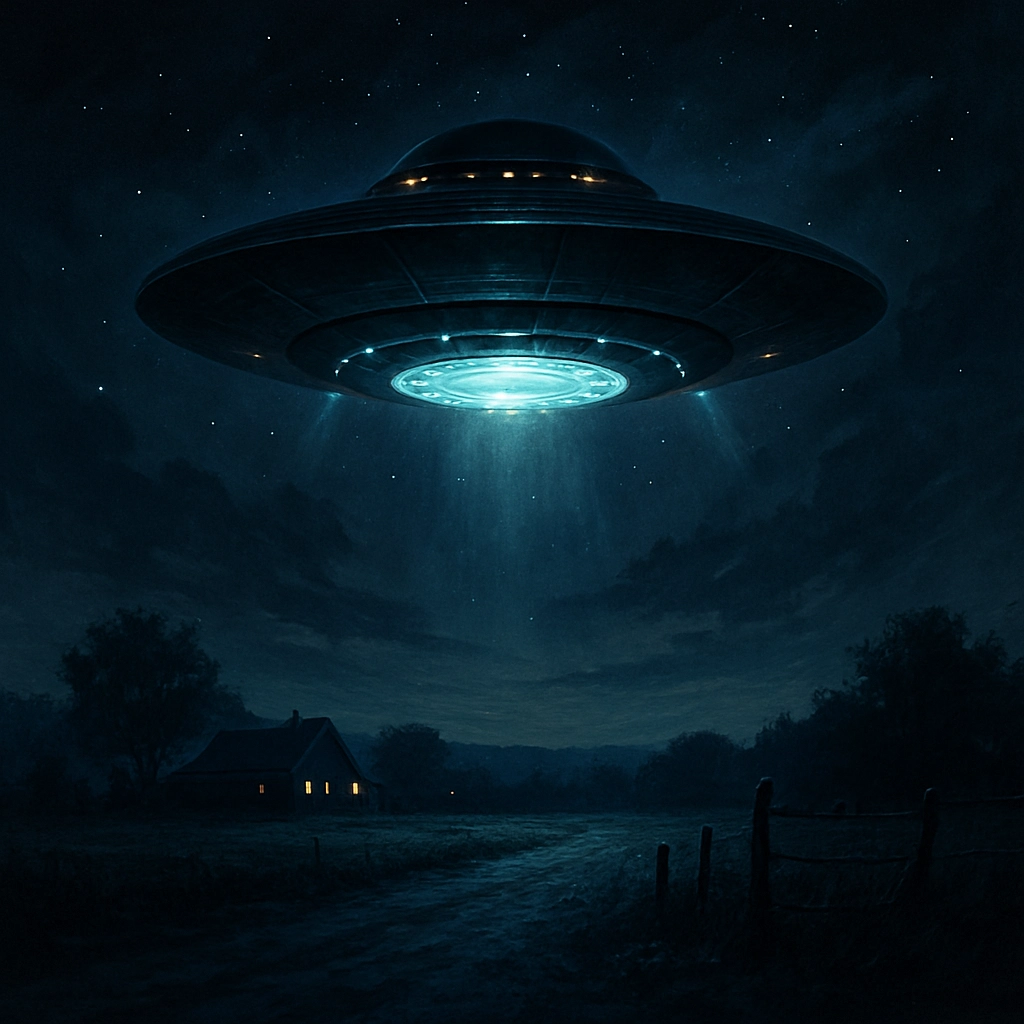
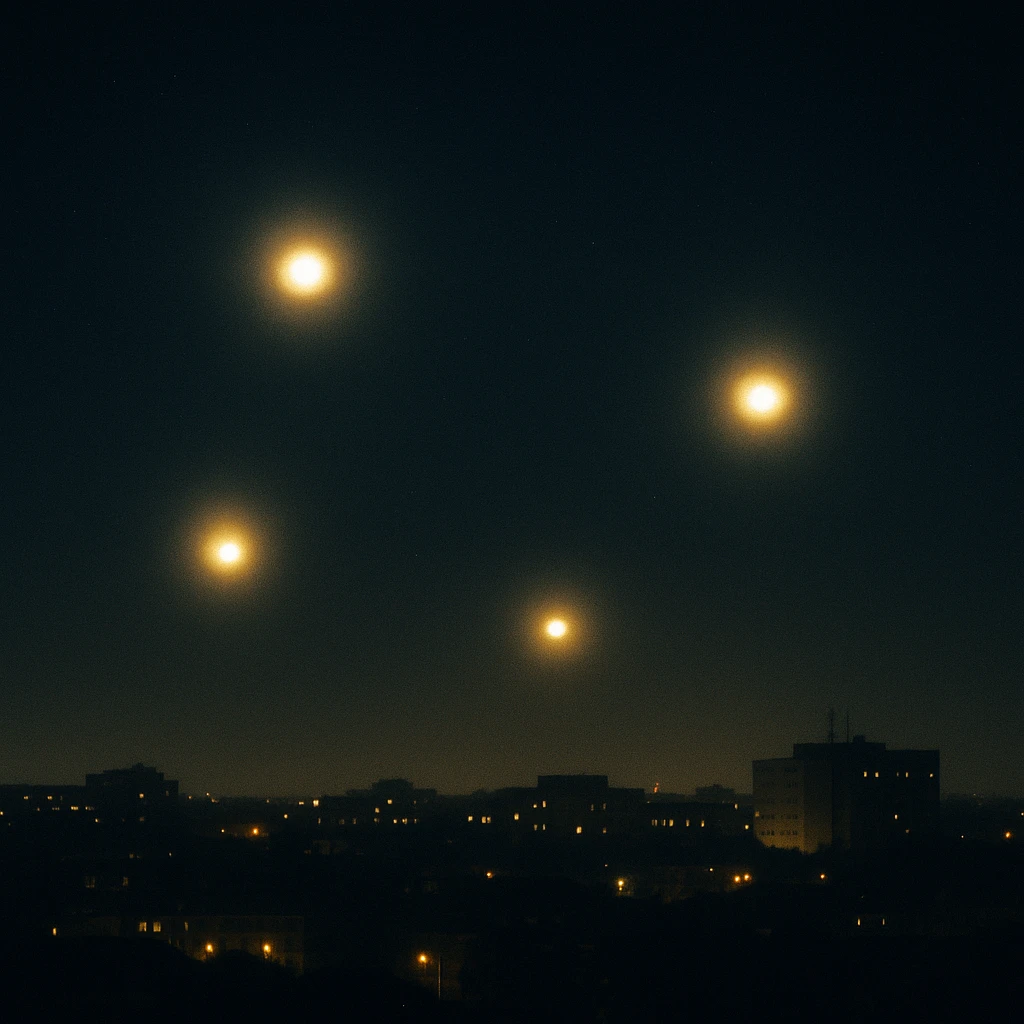
Over the years, some astronauts have described seeing bright objects, fast moving lights, or unusual glows outside their spacecraft. Many of these events were likely caused by debris, ice particles, sunlight reflections, or orbital conditions. Yet when seen in real time, without instant explanation, they left a strong impression and fed public curiosity.
The Wow! Signal
One of the most famous unexplained signals in space history was the Wow! Signal, detected in 1977. It was strong, unusual, and seemed to stand out from normal background noise. Despite decades of interest, it was never confirmed as a message from intelligent life, and it was never detected in quite the same way again. That single burst remains one of the most intriguing signal mysteries ever recorded.
Odd Shapes and Features in Planetary Images
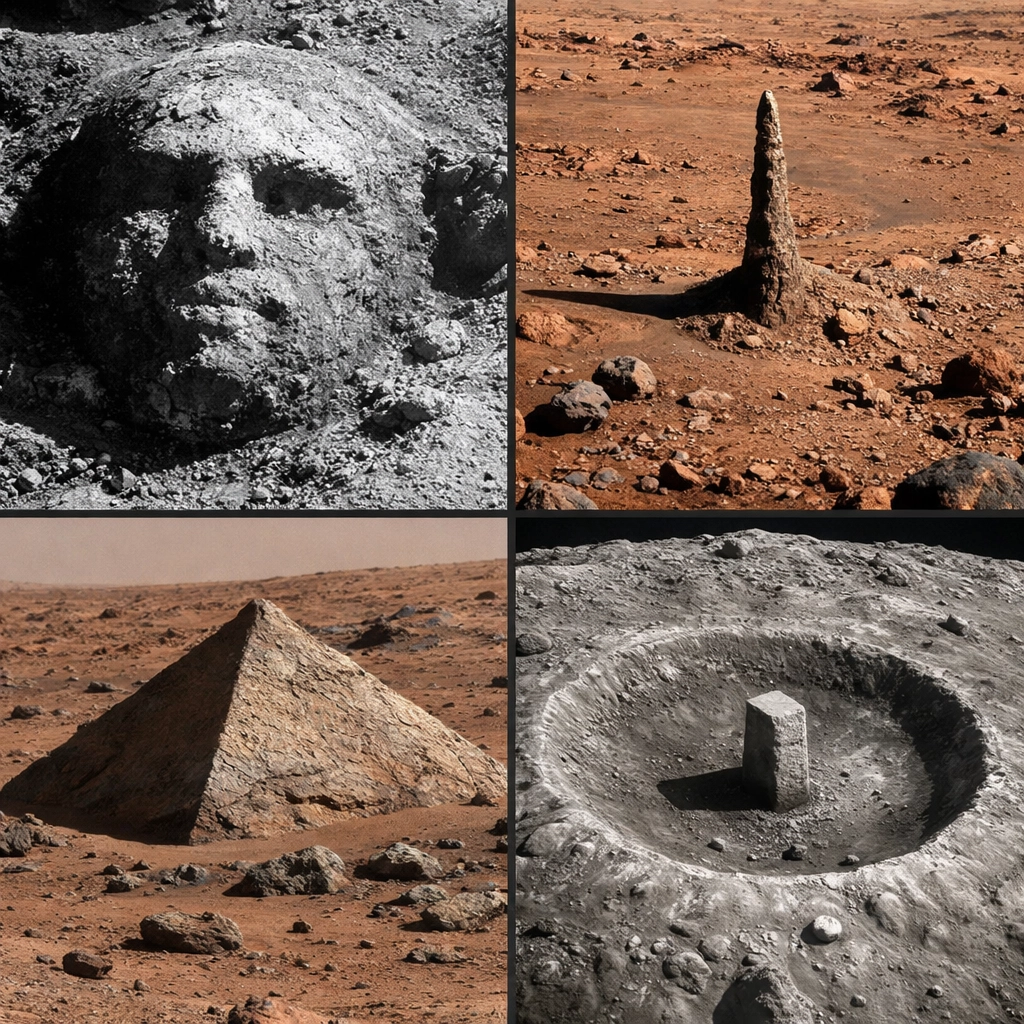
Images from the Moon, Mars, and other worlds have repeatedly sparked claims of artificial structures, faces, towers, and unusual geometric forms. In most cases, these can be explained by shadow, erosion, perspective, and the human tendency to recognize familiar shapes in random patterns. Even so, some photographs continue to invite debate because they seem so striking at first glance.
Strange Moments During Space Missions
Some missions become memorable not because of failure, but because of odd public reactions to their footage or transmissions. A brief audio anomaly, an unusual visual reflection, or a momentary communication gap can create intense speculation online. As modern missions receive more public attention than ever before, even a small unexplained moment can spread quickly and become part of a larger mystery narrative.
Modern Missions and New Curiosity
Why Modern Missions Draw More Attention
Modern space missions are watched live, clipped instantly, and discussed across the internet within minutes. That means every unusual frame, reflection, delay, or unexplained sound is now replayed and debated by thousands of people. In earlier decades, many anomalies stayed buried in transcripts or technical archives. Today, they become public conversation almost immediately.
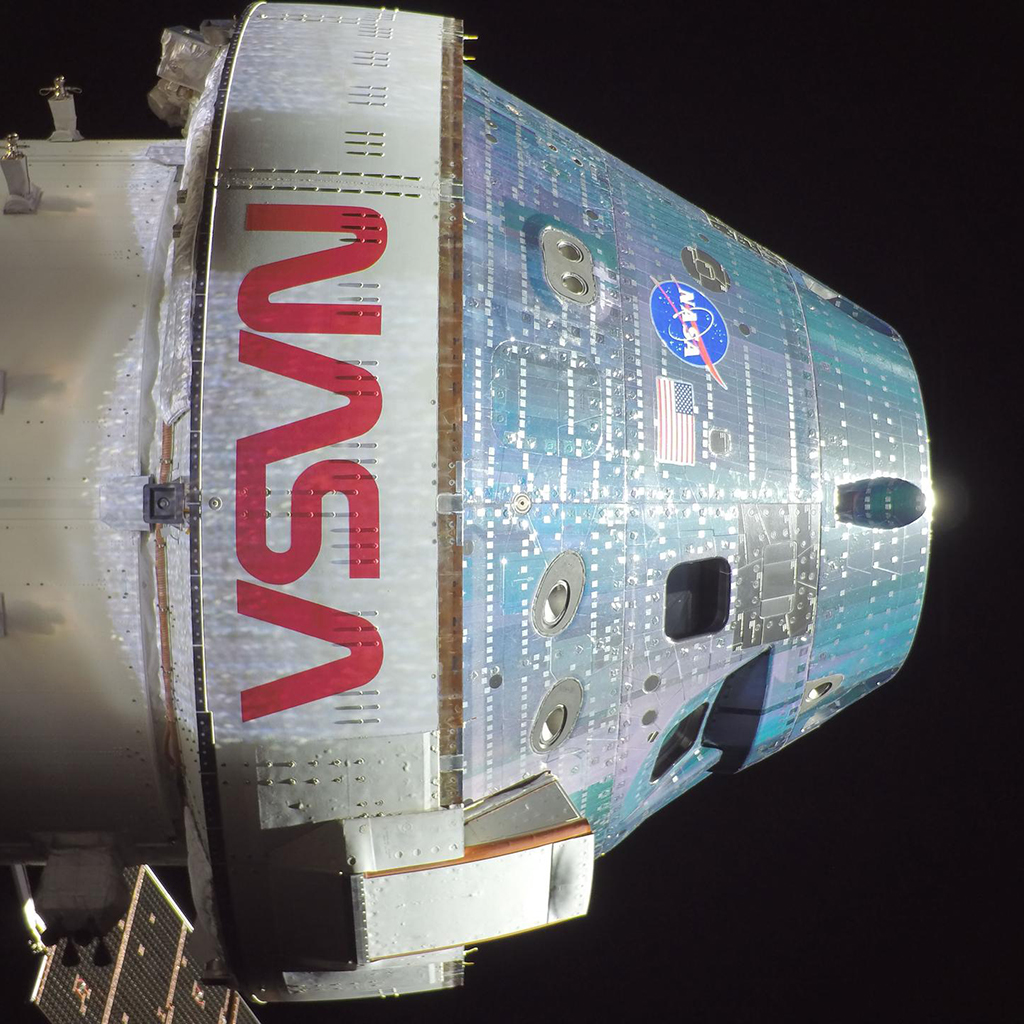
The Orion spacecraft during the Artemis mission. Image credit: NASA
New lunar missions have revived interest in the Moon and reignited public fascination with what future exploration may reveal. As humanity returns to deeper lunar operations, every mission carries both scientific goals and cultural suspense. People are not only watching for technical success. They are watching for the unexpected.
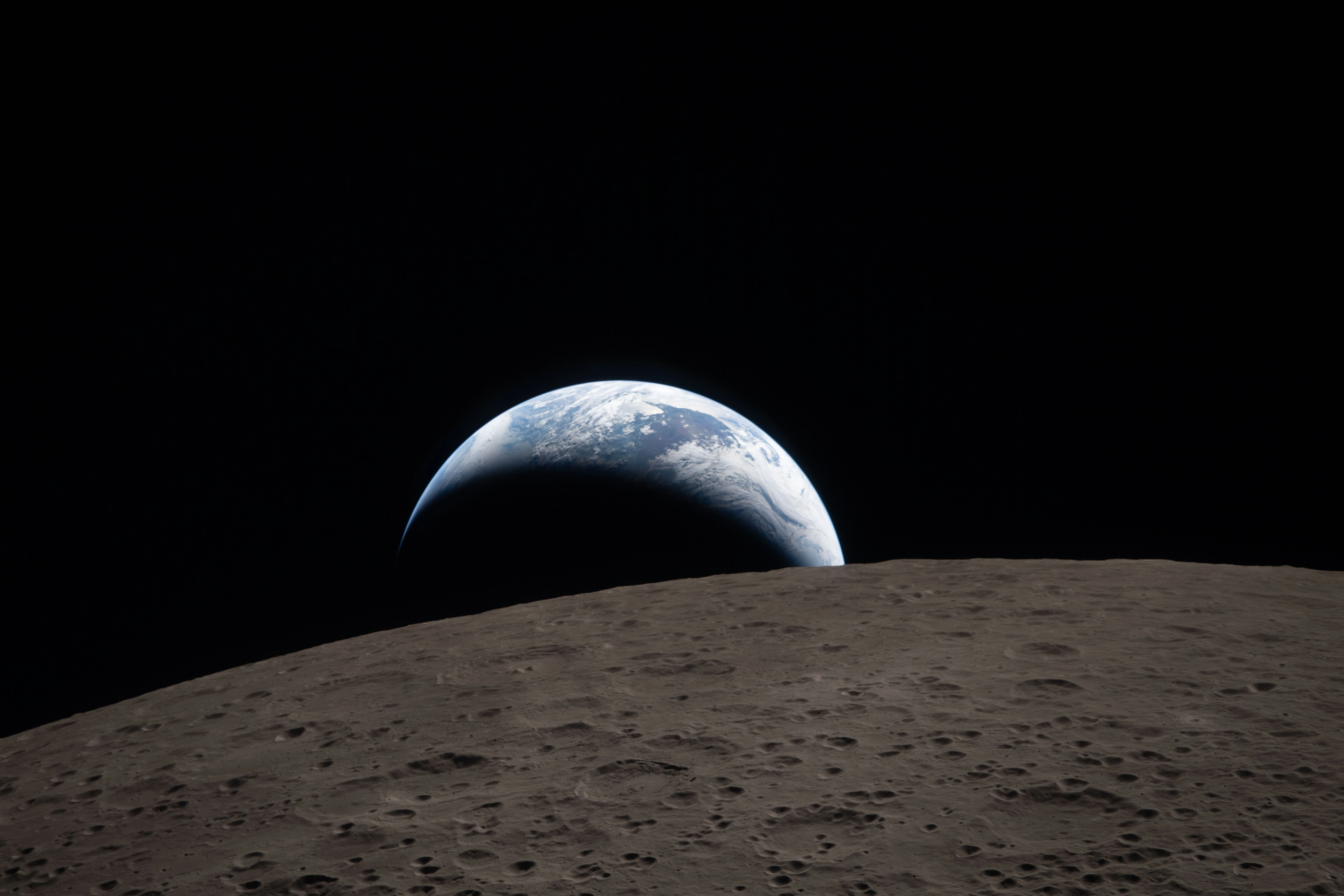
Earth setting beyond the lunar horizon, captured during the Artemis mission. Images like this continue to shape how we interpret space from a human perspective. Image credit: NASA
As live footage and images are shared in real time, viewers often point out unusual lighting, strange shapes, or visual inconsistencies. These reactions mirror past responses to space imagery, where unfamiliar environments can appear unnatural at first glance. The lack of atmosphere on the Moon creates extreme contrast, sharp shadows, and a sense of depth that can be difficult to interpret.
In many cases, what appears unusual is the result of lighting angles, surface reflection, or camera limitations. Without atmospheric diffusion, light behaves differently than it does on Earth. Shadows become darker and more defined, while bright surfaces can appear almost overexposed. These conditions can easily lead to misinterpretation when viewed without context.
At the same time, moments like these highlight a deeper human instinct. When faced with something unfamiliar, people naturally question what they see. The return to the Moon has not only advanced scientific exploration, it has also renewed curiosity and debate among those observing from Earth.
The Artemis missions represent more than a technological milestone. They reflect a modern era where information travels instantly, and every detail is examined closely. While most observations have logical explanations, the sense of mystery continues to draw attention. In this way, the Moon remains not only a destination, but also a source of ongoing fascination.
As a recent Artemis mission reached its final phase and successfully completed its planned splashdown, humanity stands on the verge of another major step forward in returning to the Moon. The mission demonstrated critical systems required for deep space travel, including navigation, communication, and reentry under high-speed conditions. These milestones are essential for future crewed missions and long-term lunar operations, marking a critical step toward sustained human presence on the Moon.
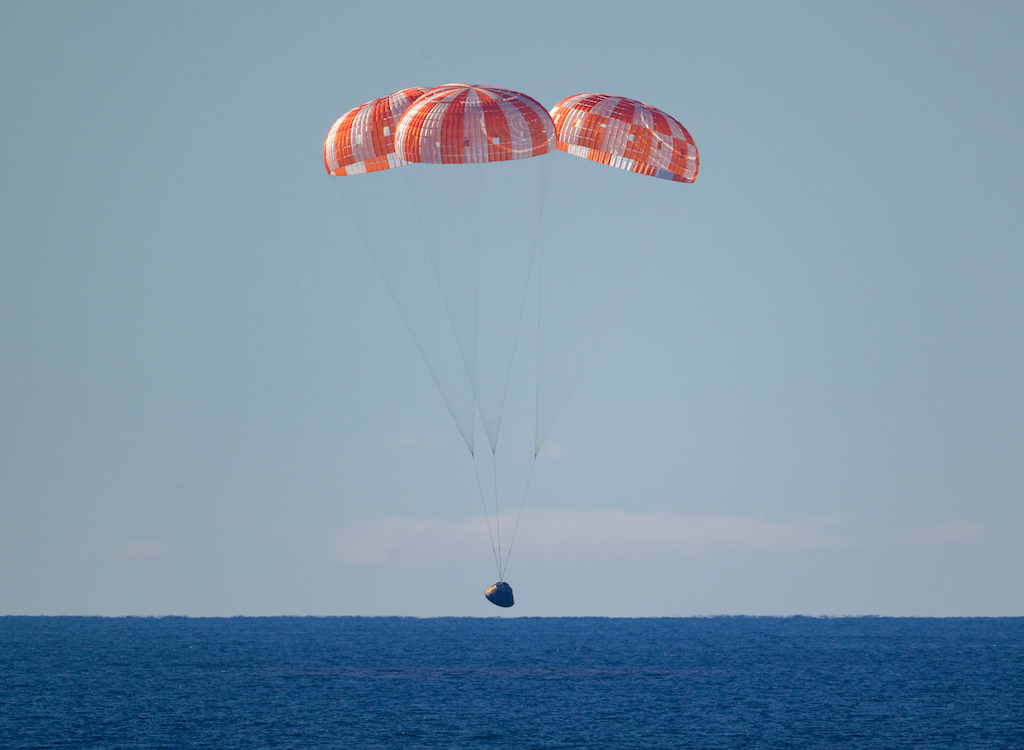
Orion spacecraft moments before splashdown during the Artemis II mission. Image credit: NASA
Images like this, captured in real time, offer a clearer view of how spacecraft behave under extreme conditions, while also highlighting how easily perspective and lighting can be misinterpreted.
As footage and images from the mission circulated, many viewers once again questioned what they were seeing. Some pointed to lighting differences, unusual perspectives, or the appearance of space itself as being inconsistent or artificial. These reactions are not new. Similar observations were made during the Apollo era, and they continue today as technology delivers clearer and more immediate visuals.
One common point of confusion comes from the position of the Sun relative to the camera. Depending on the angle of light, the same lunar surface can appear dramatically different. In some cases, the terrain may look flat and washed out. In others, shadows become long and pronounced, creating strong contrast. These variations can give the impression that different images were captured under entirely different conditions, when in reality they are simply the result of changing light direction.
Another factor is the absence of atmosphere. Without air to scatter light, the sky remains completely black even when the surface is brightly illuminated. This creates a visual contrast that can feel unnatural compared to Earth-based photography. Cameras must also compensate for extreme brightness differences, which can further alter how the scene appears.
Despite these visual challenges, the mission's success reinforces the consistency of known physics and engineering. Spacecraft behavior, orbital mechanics, and reentry dynamics all align with decades of observation and testing. What may appear unusual at first glance is often a reflection of how unfamiliar the lunar environment is, rather than an indication of anything artificial.
As the Artemis program continues, each mission brings new data, new imagery, and renewed public attention. With that comes the same blend of curiosity and skepticism that has followed space exploration from the beginning. What may appear unusual at first glance is often a reflection of how unfamiliar these environments truly are. As exploration advances, the line between mystery and understanding continues to shift, shaped by both observation and perspective.
For official mission details and updates, refer to NASA's Artemis program resources available at nasa.gov.
A Skeptical View
Skeptics argue that most strange moments in space can be explained by camera limitations, natural celestial events, human perception, or misunderstood mission data. They point out that unusual environments naturally produce unusual impressions, and that mystery often shrinks once more complete evidence becomes available.
This view does not remove the fascination. In some ways, it strengthens it. The real story may not be alien contact or hidden structures, but the challenge of interpreting events in a place where ordinary assumptions break down. Space invites both imagination and caution, and the tension between those two responses is part of what keeps the mystery alive.
Why These Stories Endure
Strange events in space endure because they sit at the boundary between science and wonder. They remind people that exploration is not only about solving problems, but also about confronting the unknown. Even when a mystery is eventually explained, the atmosphere surrounding it often remains powerful.
That is why unusual moments in space continue to attract attention. They do not just ask what was seen. They ask how much remains unseen, and how far human understanding still has to go.
Final Thoughts
Space exploration has answered some of humanity's biggest questions, but it has also created new ones. Strange lights, signals, and puzzling observations may often have ordinary explanations, yet they continue to captivate because they unfold in the most unfamiliar setting of all. The mystery is not only in the event itself, but in the reminder that space is still far from fully understood.