

The Evolution of Human Communication
Acronyms
The word "acronym" is a modern linguistic tool, but its roots come from Greek - "akros" meaning "tip" and "onym" meaning "name." Acronyms became essential in the 20th century, especially in government, science, and technology. Today, they are so embedded in daily use that we often forget their full forms - like NASA, LASER, or SCUBA.Body Language
More than half of human communication is nonverbal. The way we move, stand, and gesture can reveal emotions and intent even when no words are spoken. While some cues are instinctual - like crossing arms to indicate defensiveness - others vary by culture and can easily be misunderstood across borders.Cuneiform
Cuneiform was one of the earliest forms of writing, developed by the Sumerians around 3400 BCE. Using wedge-shaped marks on clay tablets, scribes recorded trade, astronomy, laws, and stories like the Epic of Gilgamesh. This ancient system laid the foundation for modern record-keeping and literacy.Dialects
Dialects are variations of a language shaped by region, culture, and history. In English alone, there are over 160 known dialects across the globe. They influence vocabulary, pronunciation, and grammar - so much so that two native speakers from different areas may struggle to understand each other.Emoji
Emoji started in Japan in 1999 as a visual way to simplify mobile communication. They've since become a global digital language, allowing users to express emotion, tone, and nuance that plain text often lacks. With thousands now in the Unicode standard, emoji can function like facial expressions in online spaces.Facial Expressions
Humans share a set of core facial expressions - like joy, fear, anger, surprise, and sadness - that are recognized universally. These expressions are deeply rooted in biology and appear even in people who are born blind. They serve as one of the fastest ways to convey emotion and intent without a single word.Gutenberg Press
Invented in the 1440s, the Gutenberg press was a turning point in human communication. It allowed books to be mass-produced instead of hand-copied, making knowledge more accessible. This invention sparked the literacy boom in Europe and helped usher in the Renaissance, Reformation, and Scientific Revolution.Handwriting
Handwriting is uniquely personal - so much so that it's been used for centuries to verify identity and even detect personality traits. No two people write exactly the same, not even identical twins. Despite the digital shift, handwriting remains an essential tool for learning and expression in early education.Internet Slang
Slang terms like "LOL," "BRB," and "SMH" started as shortcuts in online chatrooms and early messaging apps. As the internet evolved, these terms spread into mainstream conversation. Newer phrases like "ghosting" or "slay" show how digital culture continues to shape language in real-time.Jargon
Jargon is a set of specialized terms used within a particular field - like medicine, law, or gaming. It can make communication faster among insiders but confusing for outsiders. Good communicators know when to use jargon and when to switch to plain language depending on their audience.Kinesics
Kinesics is the study of body movements as a form of communication. It includes everything from gestures and posture to facial expressions and eye movement. Developed in the mid-20th century, kinesics helped formalize how we interpret unspoken social signals in everyday interaction.Language Extinction
Every two weeks, a language disappears - usually taking with it a unique worldview, set of traditions, and body of cultural knowledge. Linguists estimate that more than half of the world's 7,000+ languages may go extinct by the end of this century unless revitalization efforts succeed.Letters
Anyone writing a letter to the New York Times has one chance in twenty-one of having the letter published. Letter writers to the Washington Post do significantly better one letter out of eight finds its way into print.Morse Code
Morse code translates letters into patterns of dots and dashes, making it possible to send messages over long distances using sound, light, or radio. Once a staple of telegraphy and maritime communication, it's still taught today for emergency signaling and amateur radio use.Newspaper
The average person in America spends fifty-two minutes each day reading the newspaper. This means that in a seventy year lifetime (subtracting the first fifteen years as nonnewspaper reading time), the typical person spends a little less than two years, about 687 days of his or her life reading the paper.Nonverbal Cues
Nonverbal cues - like tone, gestures, and eye contact - often speak louder than words. They help clarify meaning, express emotion, and build trust. Misreading these signals, especially across cultures, can lead to confusion or unintended offense.Pictographs
Pictographs use simple images to represent objects, concepts, or actions. They were one of humanity's earliest tools for storytelling, seen in cave art and ancient carvings. Even today, modern icons and signage continue this tradition of visual communication.QR codes
QR codes - those pixelated squares you scan with a phone - were created in 1994 to track car parts in Japan. Now they're used for everything from digital menus and mobile payments to boarding passes and contactless check-ins, streamlining the way we access information.Radio
In every hour that one listens to the radio in America, one hears approximately 11,000 spoken words.Sign Language
Sign languages are rich, full languages developed by Deaf communities, each with its own grammar and cultural nuances. American Sign Language (ASL), for instance, has no direct correlation to English and evolved independently. These visual languages offer powerful means of expression that go beyond spoken word.Solicitation
It is estimated that 4 million "junk" telephone calls, phone solicitations by persons or programmed machines, are made every day in America.Telephones
According to the General Telephone Company of Pennsylvania, the typical American spends an average of 8,760 hours of his or her life speaking on the telephone every year.
According to the American Telephone and Telegraph Company, there are 24.5 telephone calls made for every 100 people in the entire world.
There are more telephones than people in Washington. D.C.Television
In 1948 Milton Berle's budget for the "Texaco Star Theater," the most popular one-hour show on television, was $15,000 for the entire hour. Today, this is far less than the cost of a one-minute television commercial.
According to the Television Code of Decency, a beer advertisement can never show a person actually drinking beer. Next time you see such an advertisement on television, notice that while the beer itself is prominently displayed, the subject always stops short of drinking it.
On June 1, 1946, there were only 10,000 television sets in the United States. Five years later, there were 12 million.
According to the Federal Trade Commission, there are 20,000 television commercials made each year that are aimed exclusively at children. Of these, 7,000 are for sugared breakfast cereals.
In the 70's more people with an income below $3,000 a year owned television sets in the United States than those with an income above $10,000.Tone of Voice
Tone of voice colors everything we say. It can make the difference between sounding supportive or sarcastic - even when the words are identical. In audio-only communication like phone calls, tone becomes the primary carrier of intent and emotion.Universal Gestures
Some gestures - like smiling or expressions of pain - are universally understood and rooted in human biology. But many others are culturally specific. A thumbs-up may signal approval in one country and be considered rude in another. This mix of shared instinct and cultural variance makes gesture-based communication both powerful and risky.Words
The word "hello" is now a basic greeting, but it's a relatively recent invention in English. It only entered common use in the late 1820s and gained popularity thanks to the telephone. Alexander Graham Bell actually preferred the word "Ahoy!" as the proper phone greeting.
Interested in reaching our readers?
Advertise on Skygaze.
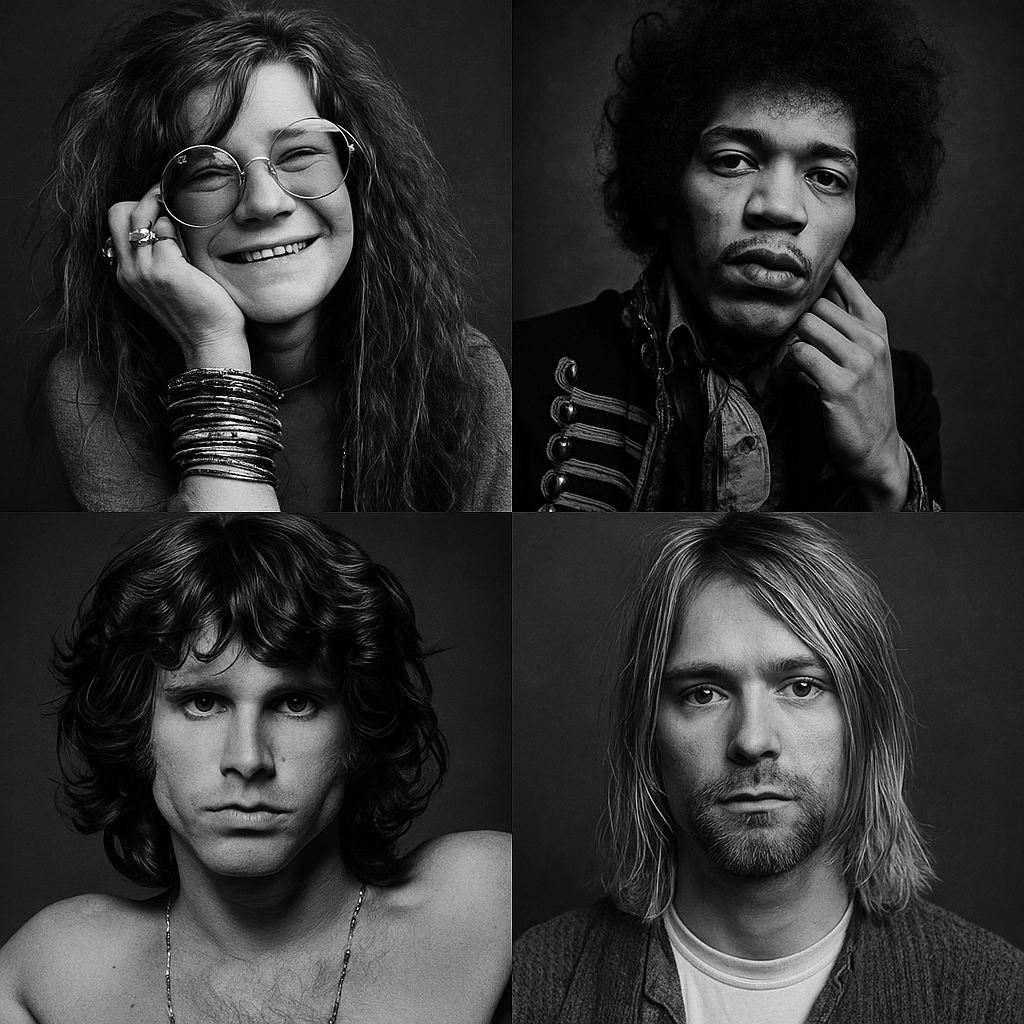 27 Club
 Airships
 All Diseases Cured
 All Knowledge
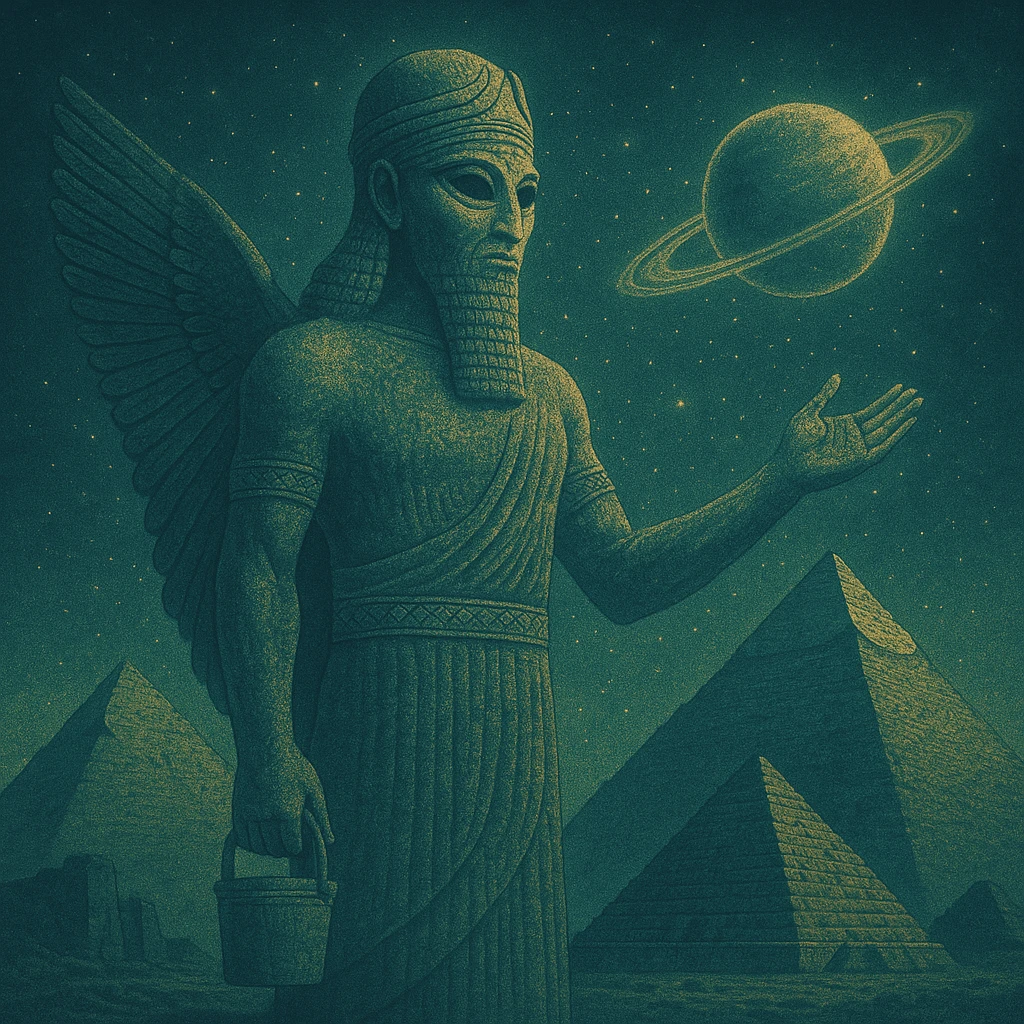 Anunnaki
 Astronomy
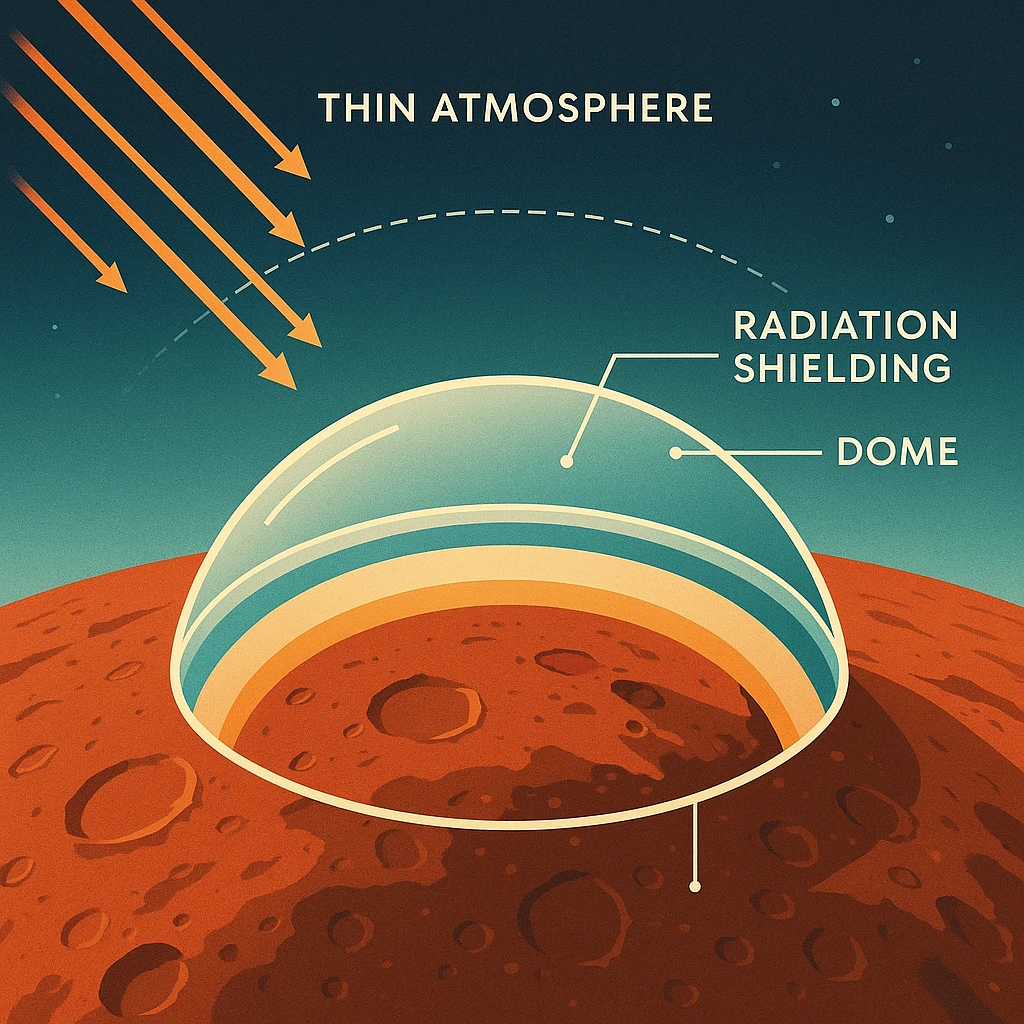 Atmosphere Shield
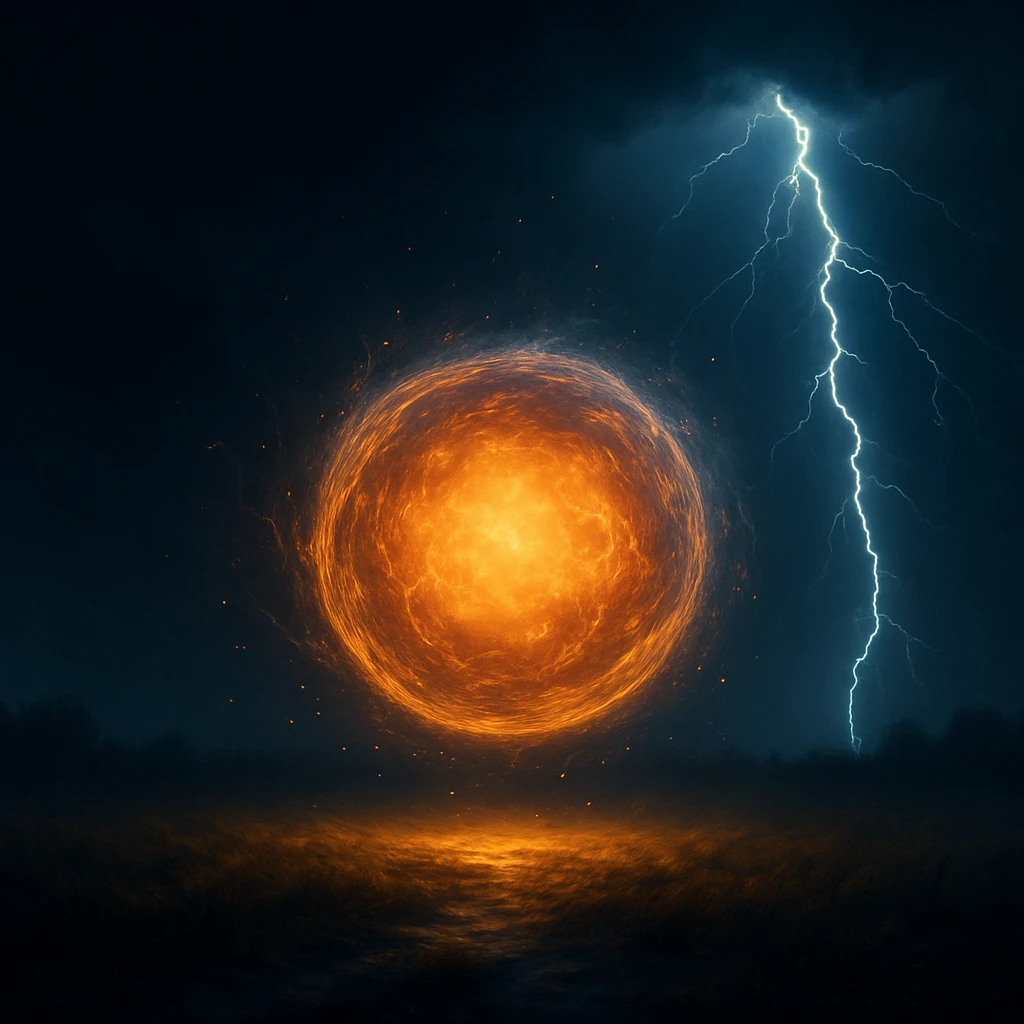 Ball Lightning
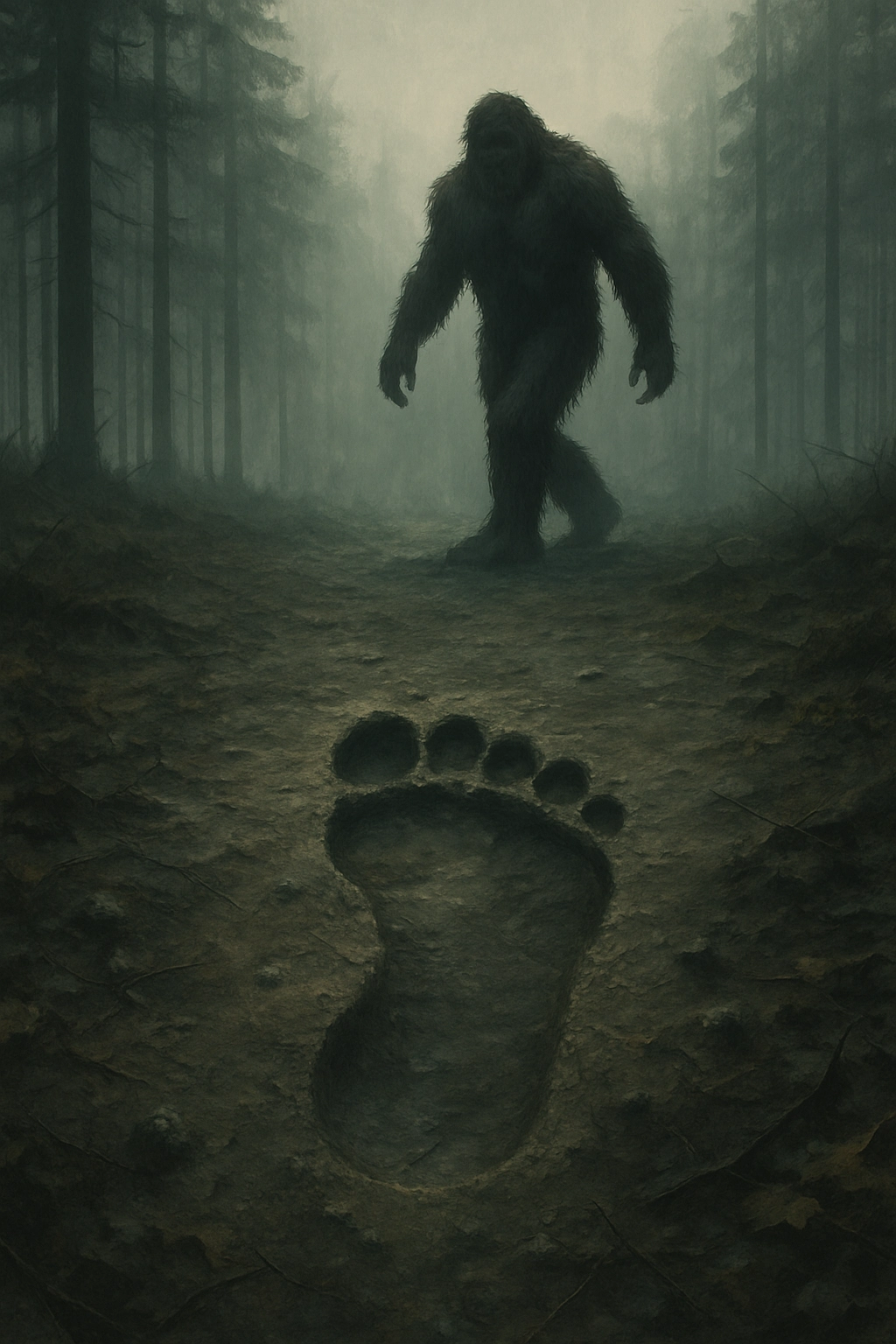 Bigfoot
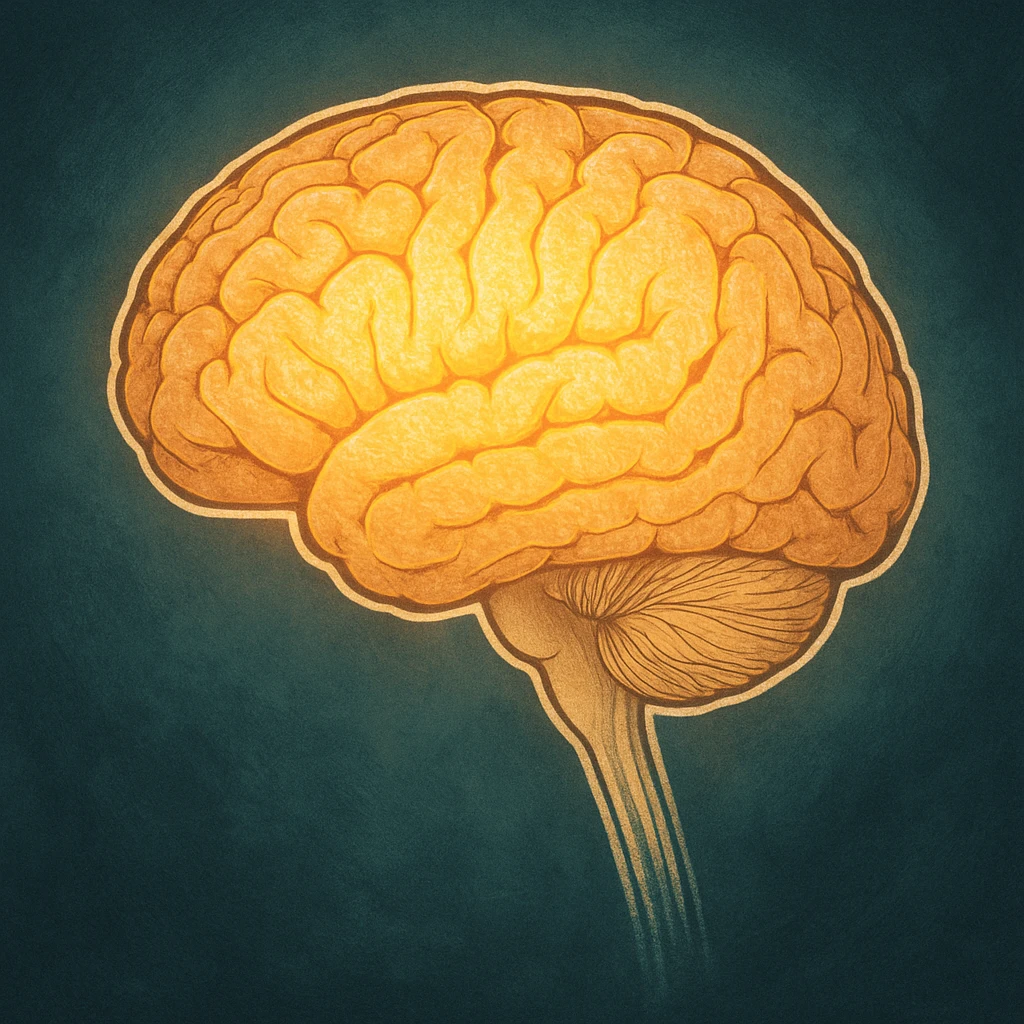 Brain Change
 CERN 2012
 City Activity
 Clouds
 Conspiracy
 Data Bits
 Dian Fossey
 Dinosaurs
 Dracula
 Earthlights
 Edgar Allan Poe
 Energies
 Fairies
 Faith in the Stars
 Fate
Fate
 Flat Earth
 Flying Humanoids
 Ghost Lights
 Giant Octopus
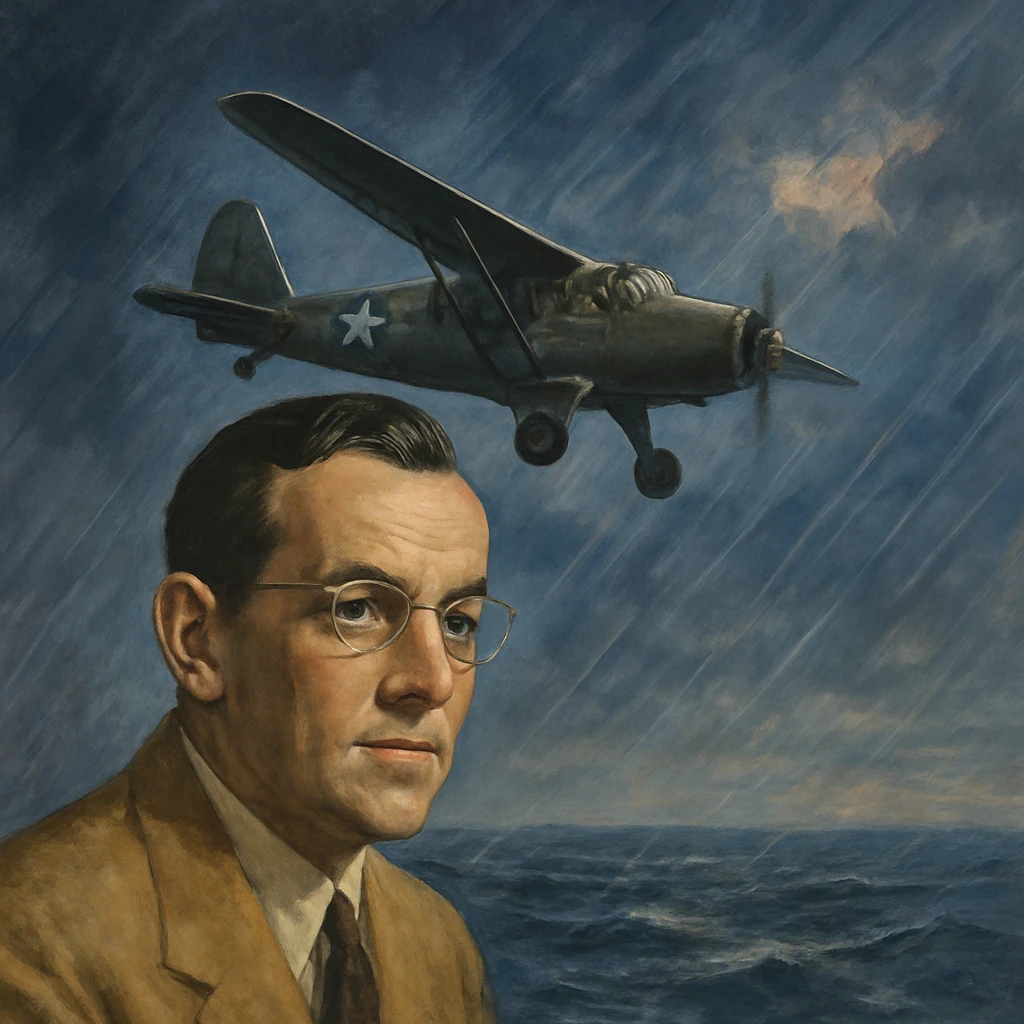 Glenn Miller
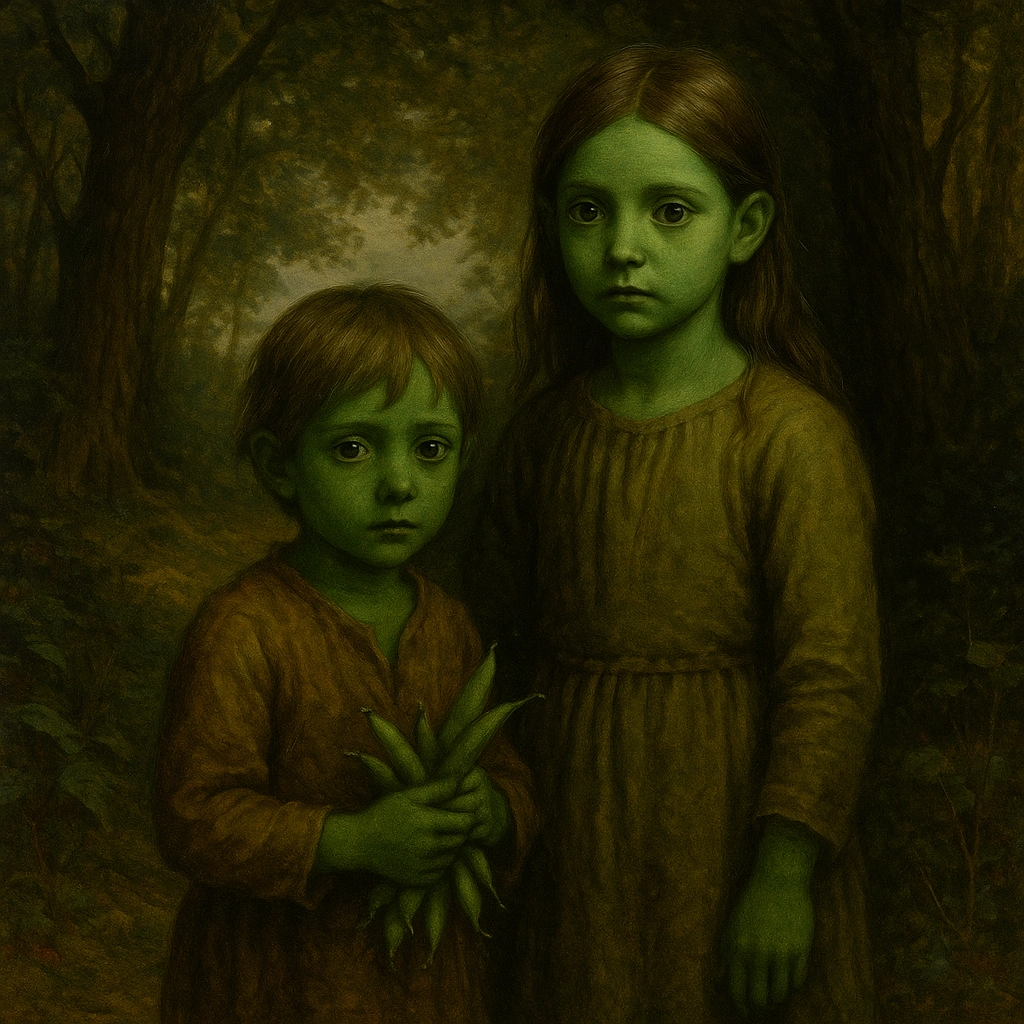 Green Children
 Greenhouse Dome
 Hachiko
 Hidden Events
 Hollow Earth
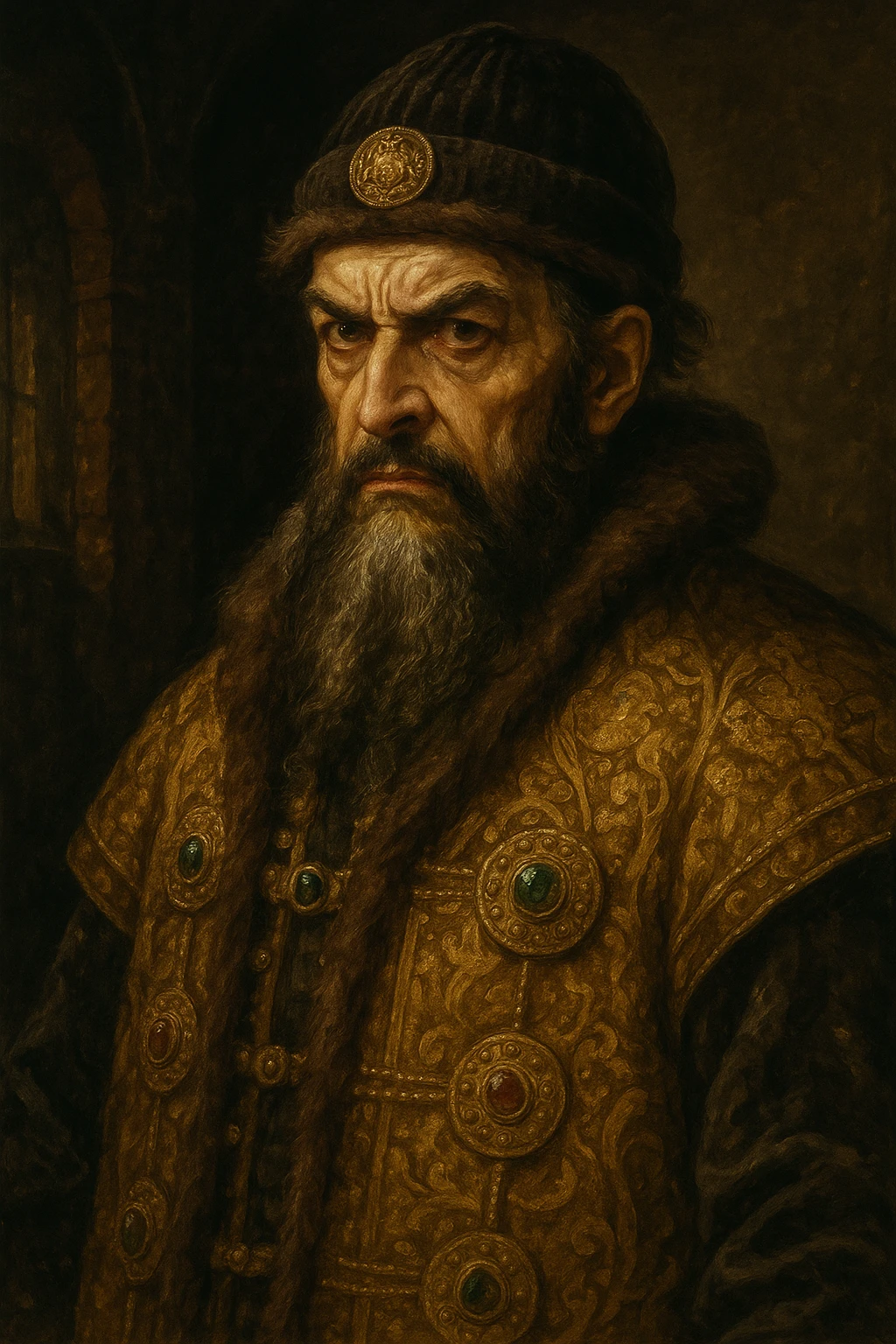 Ivan the Terrible
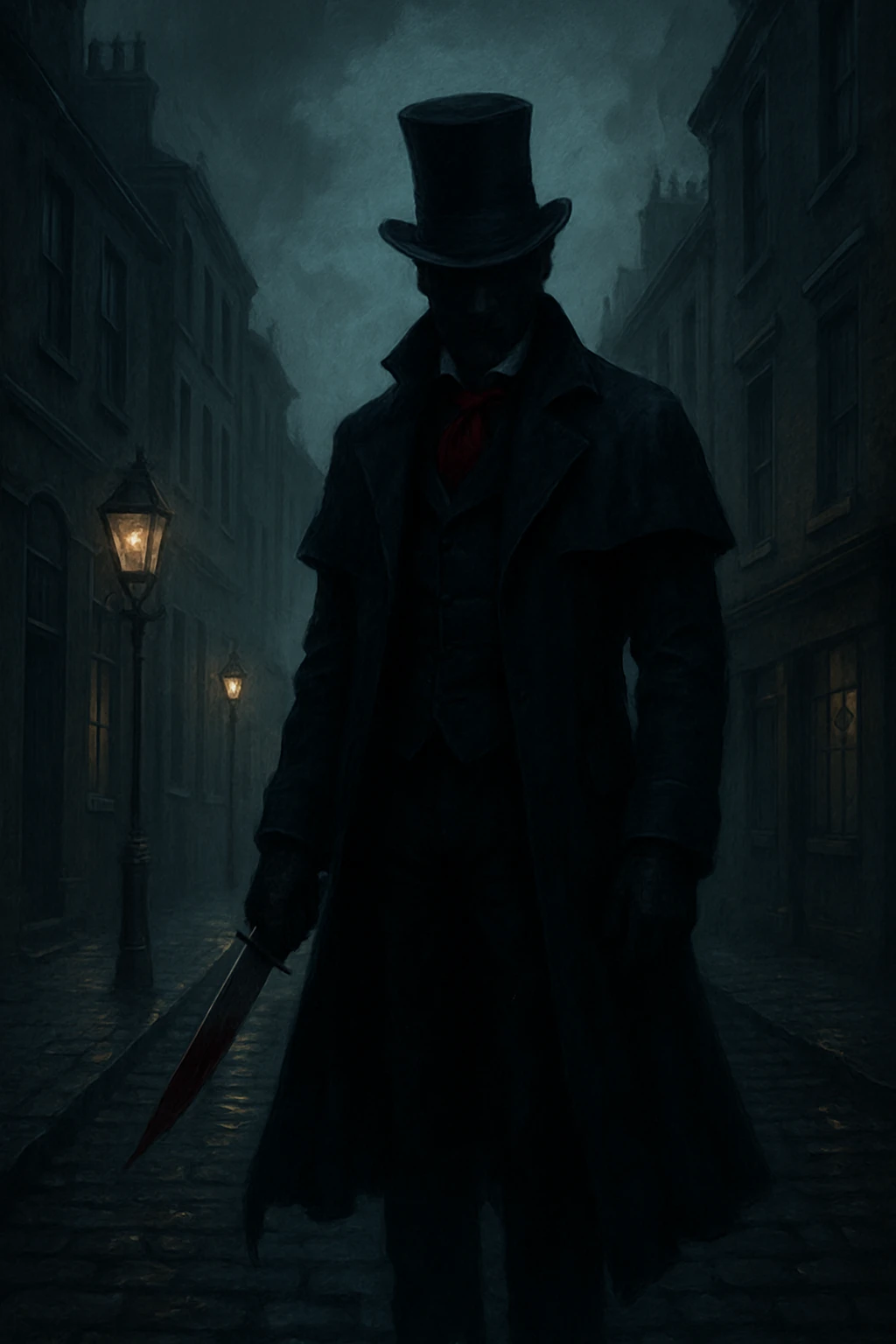 Jack the Ripper
 Jesse James
 JFK
JFK
 John Lear
 Joseph Stalin
 King Arthur
 King Edward IV
 Language Gone
 Lawrence of Arabia
 Li Ching Yuen
 Live Mars
 Lost Cities
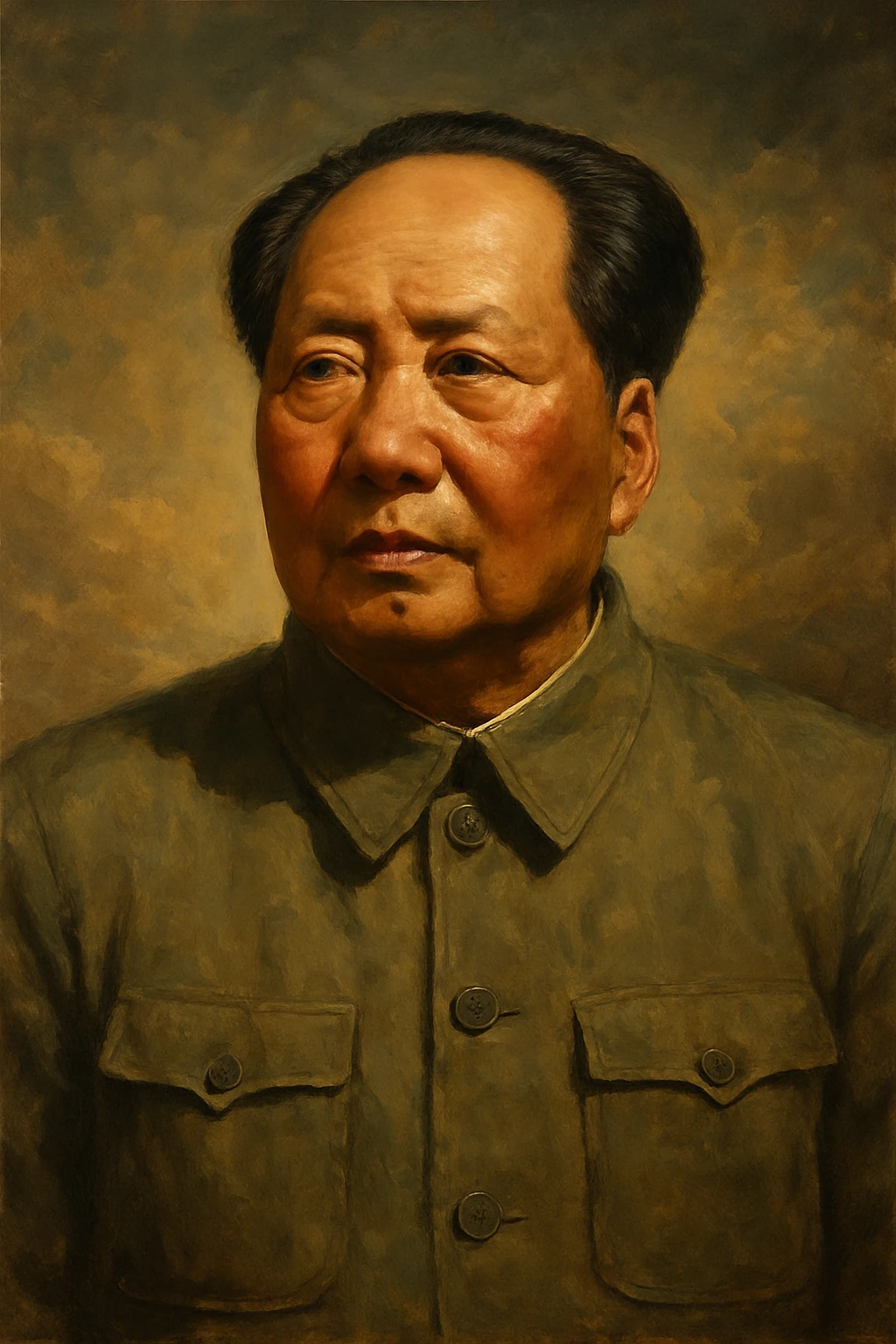 Mao Zedong
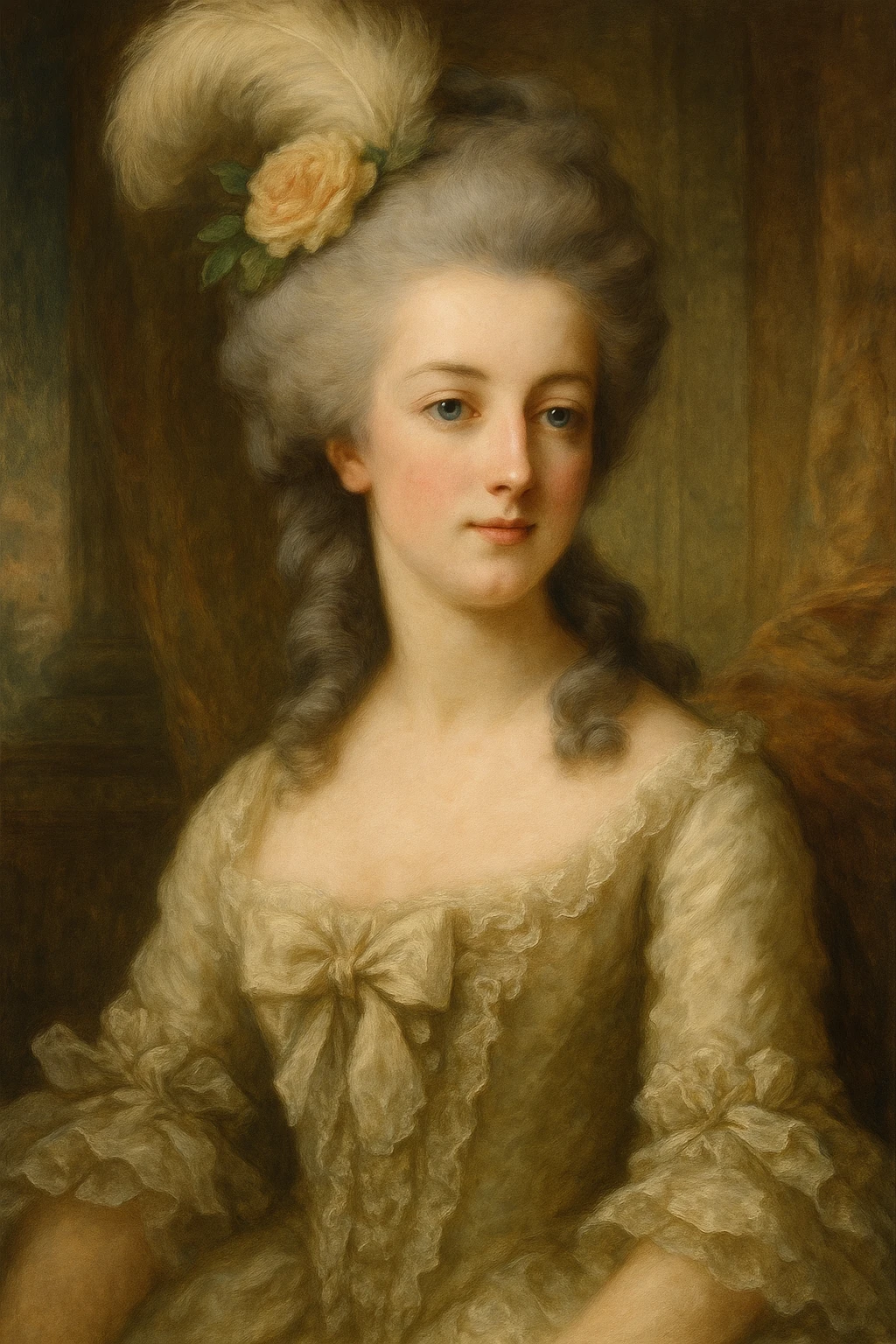 Marie Antoinette
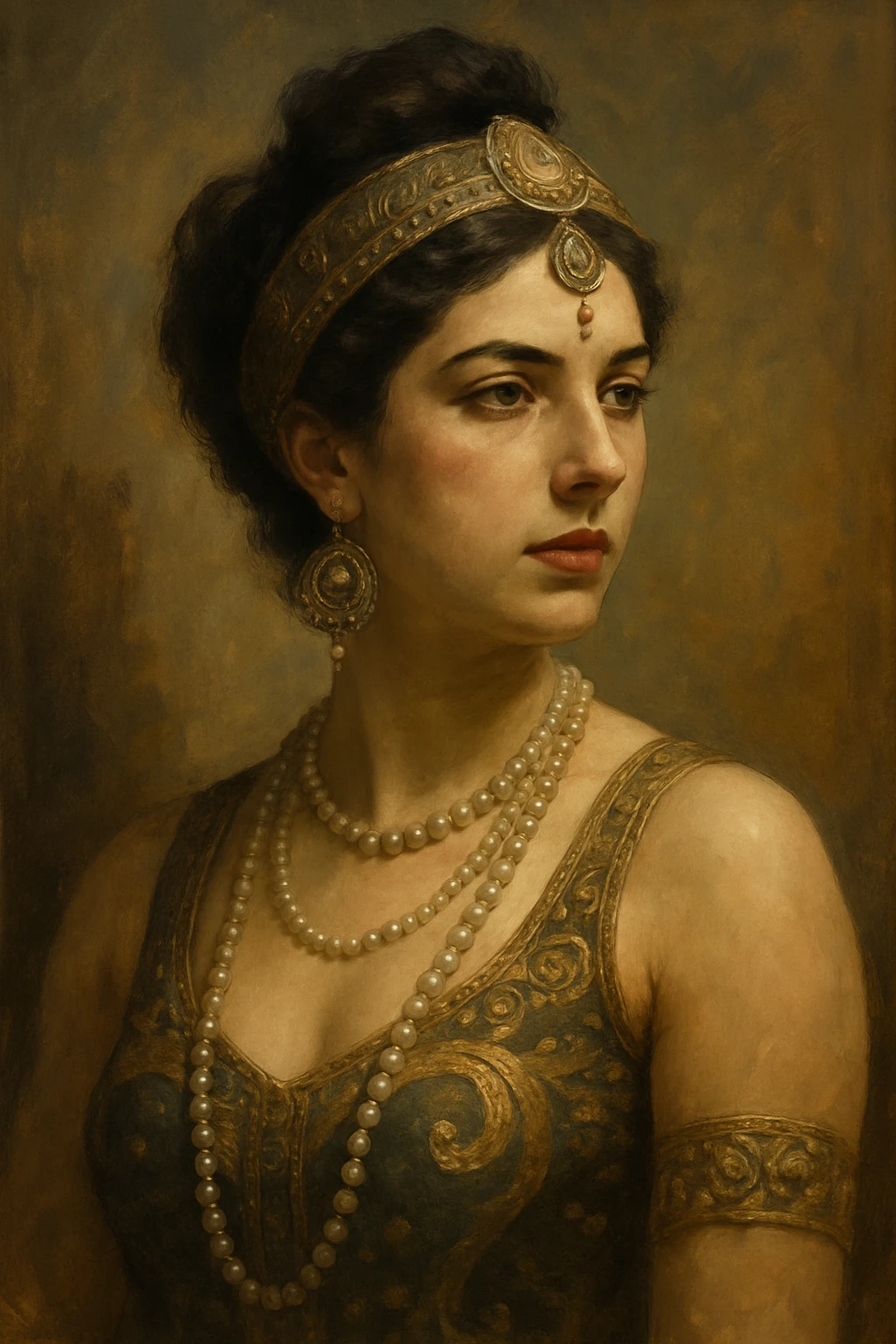 Mata Hari
 Mel's Hole
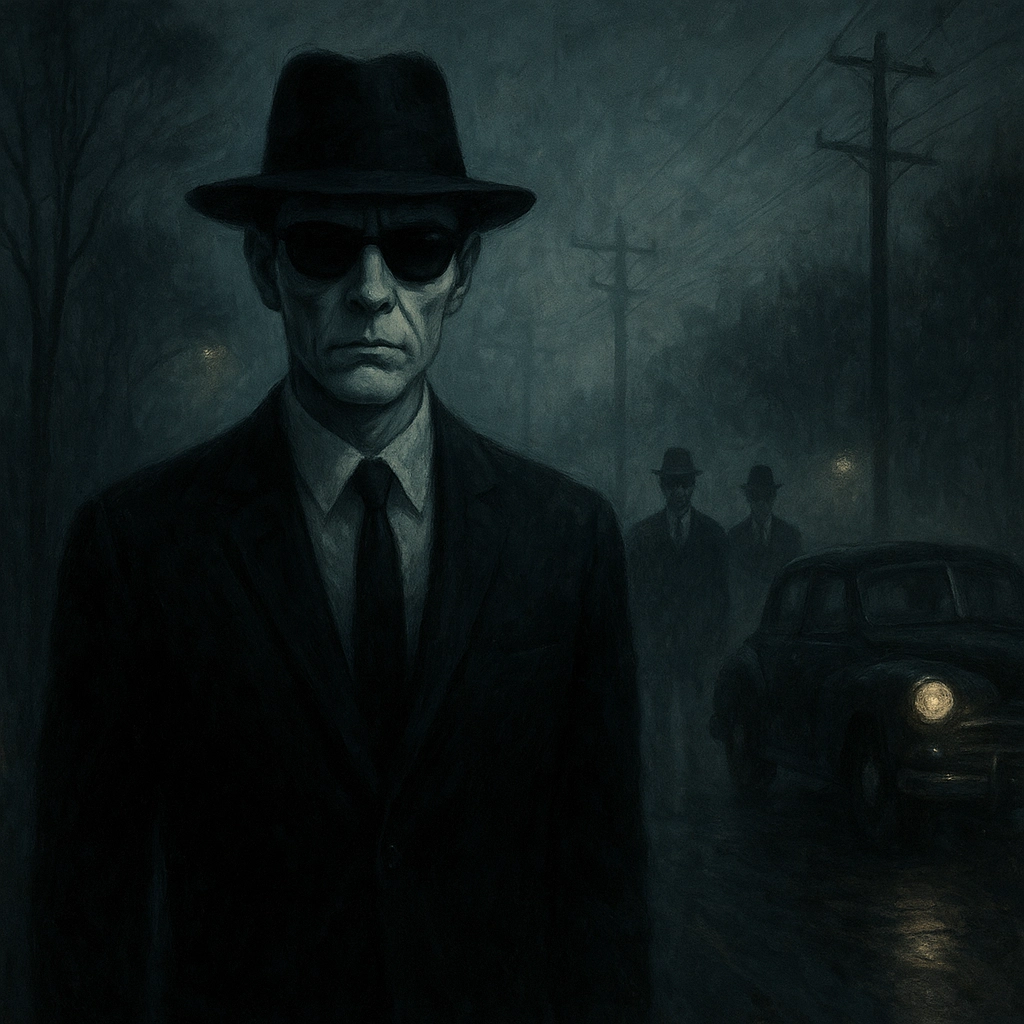 Men in Black
 Mermaids
 Missing Time
 Moonbase
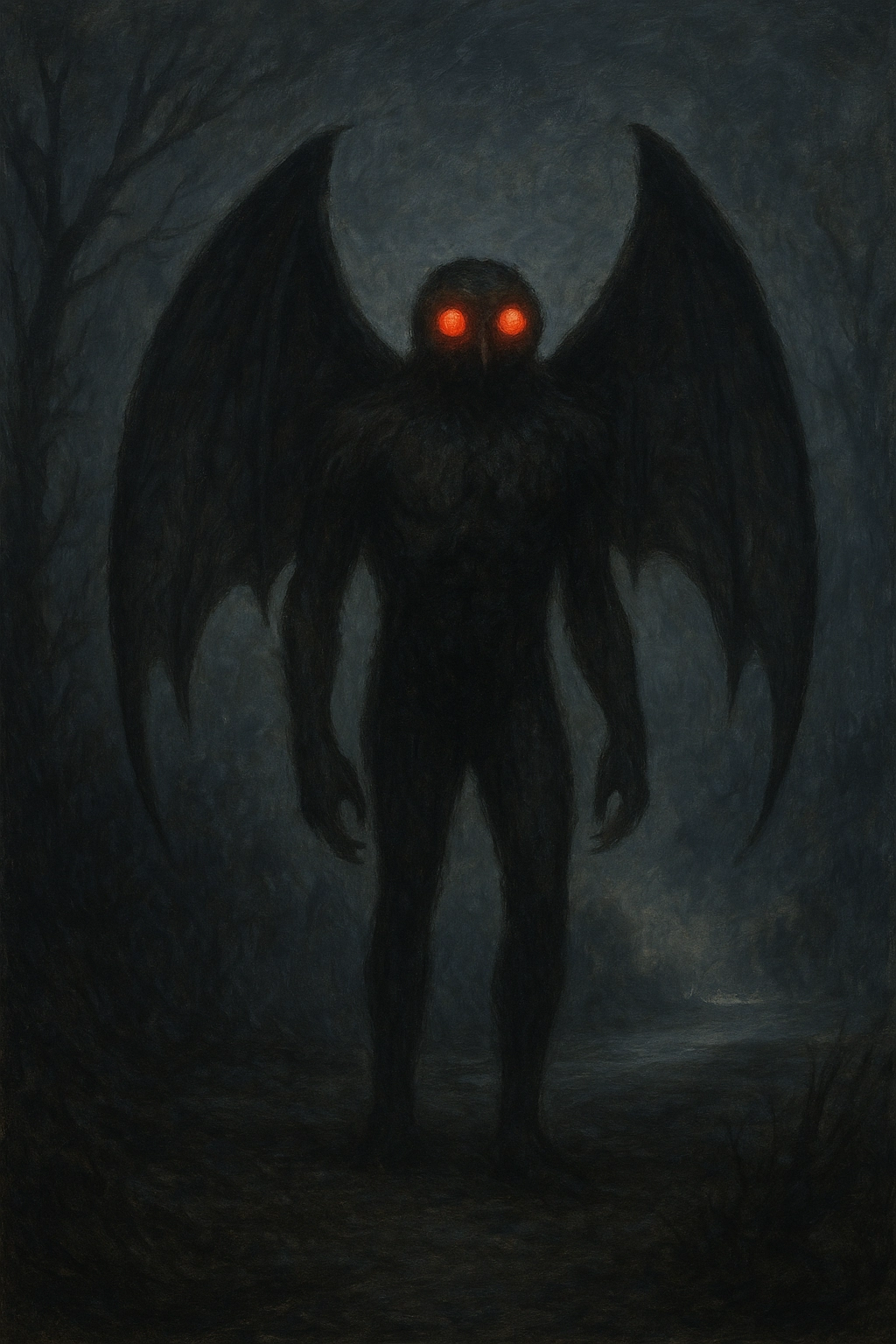 Mothman
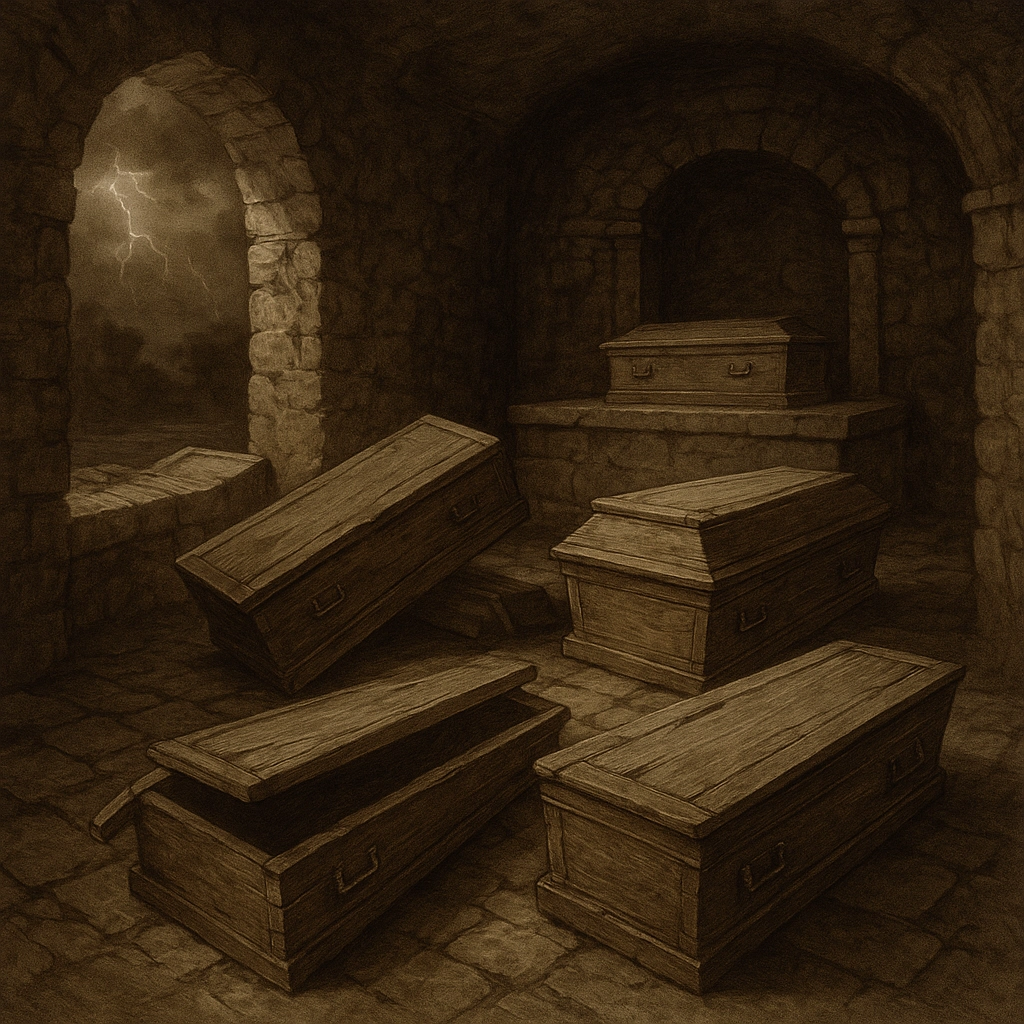 Moving Coffins
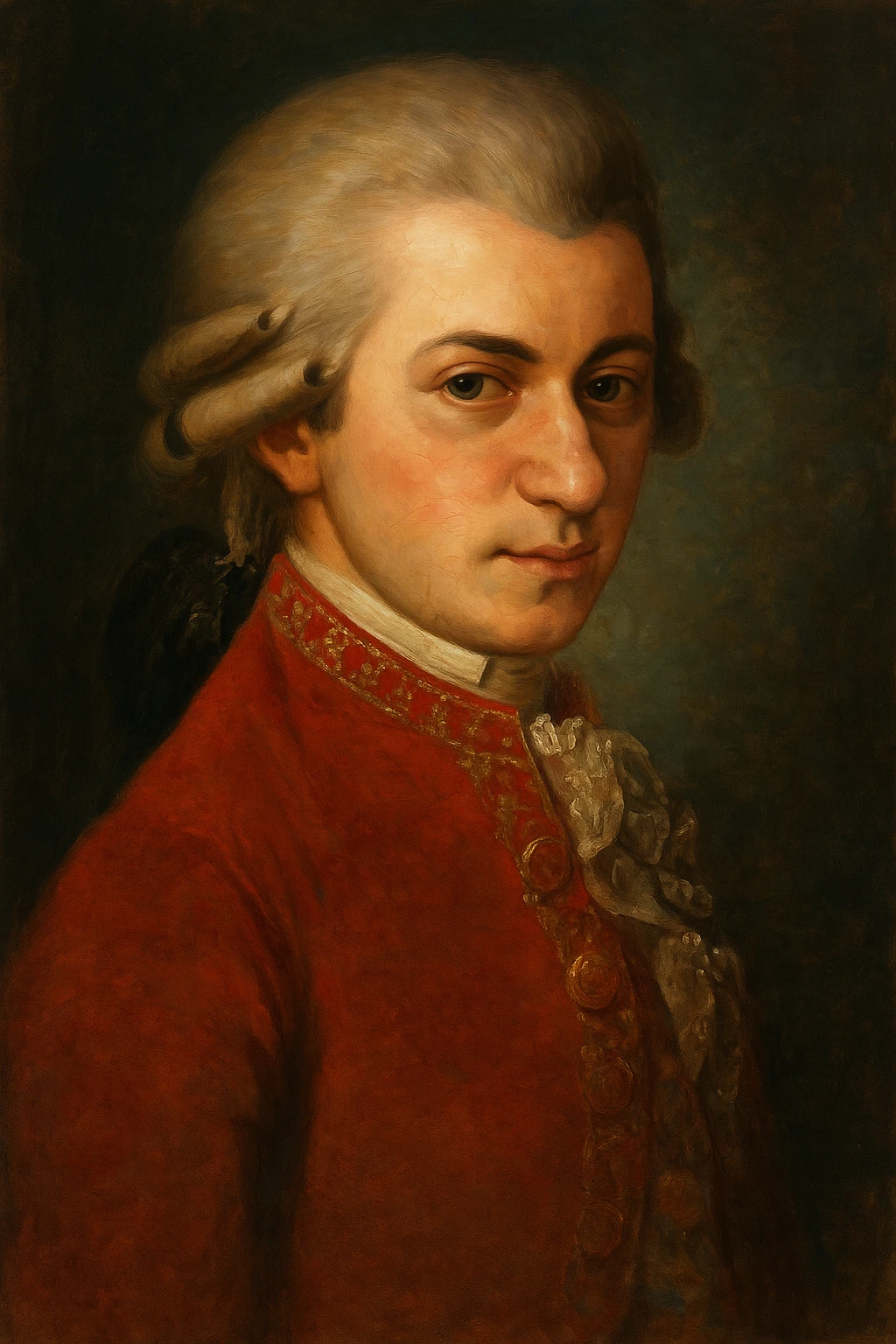 Mozart
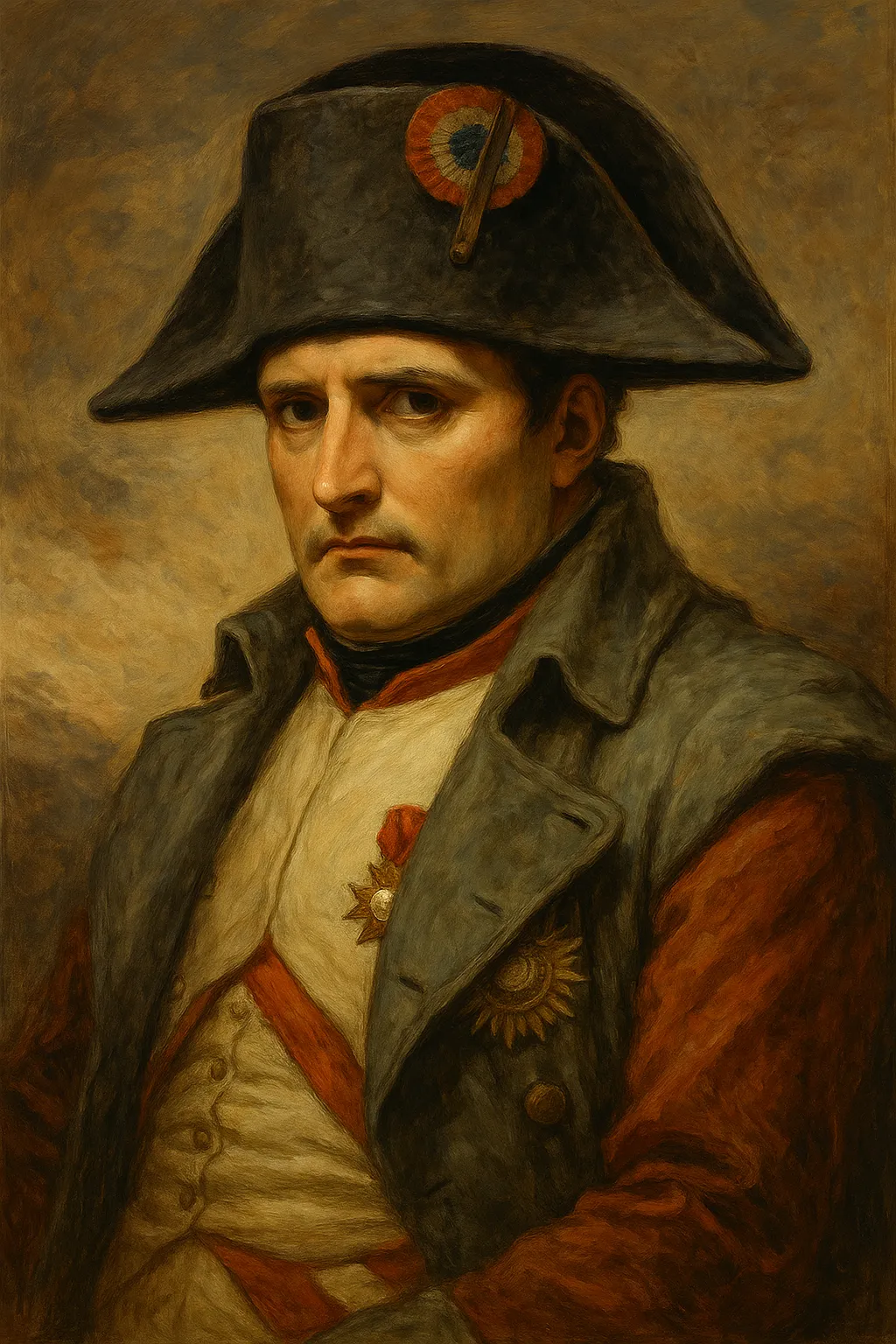 Napoleon
 No Borders
 No Food
 Noah's Ark
 Never Aged
 Never Slept
 Nostradamus
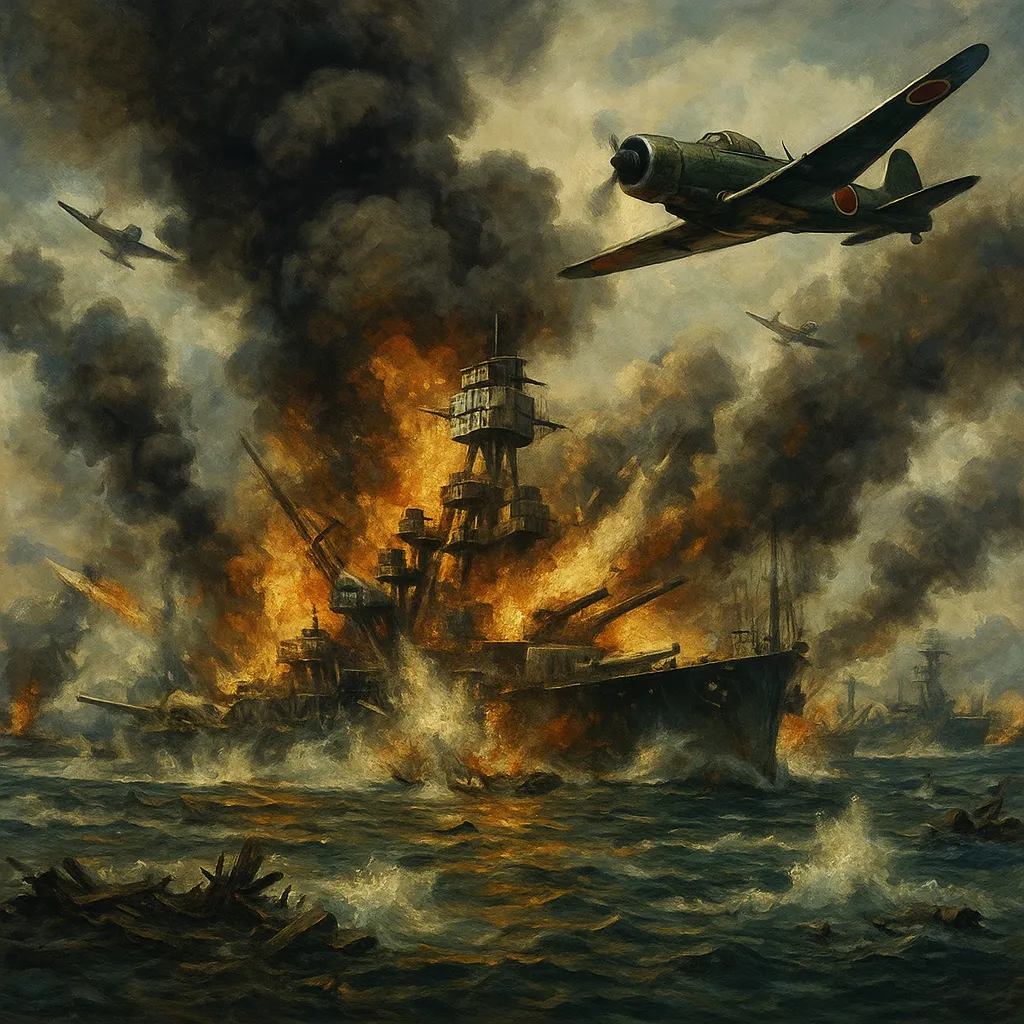 Pearl Harbor
 Planet-X
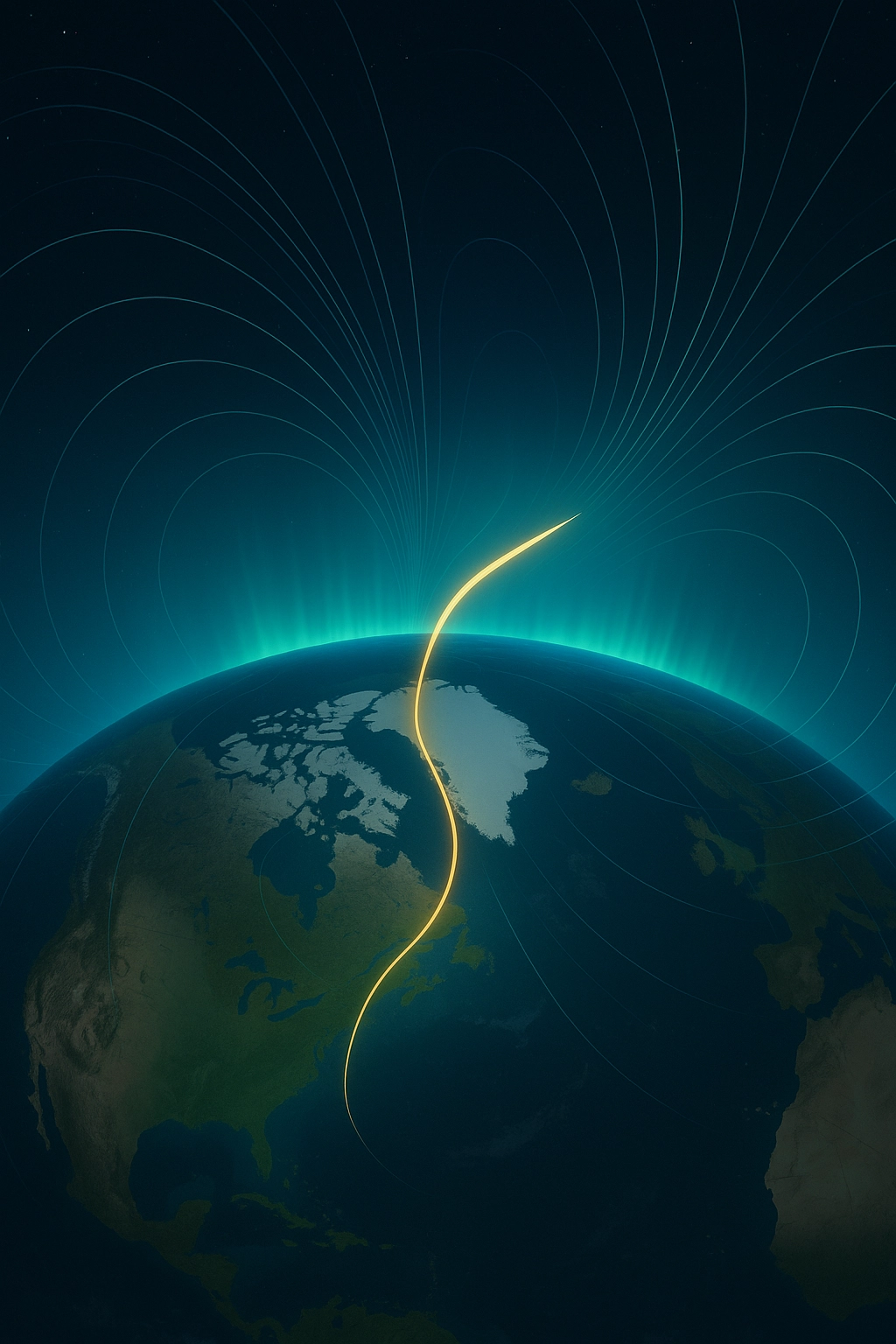 Pole Shift
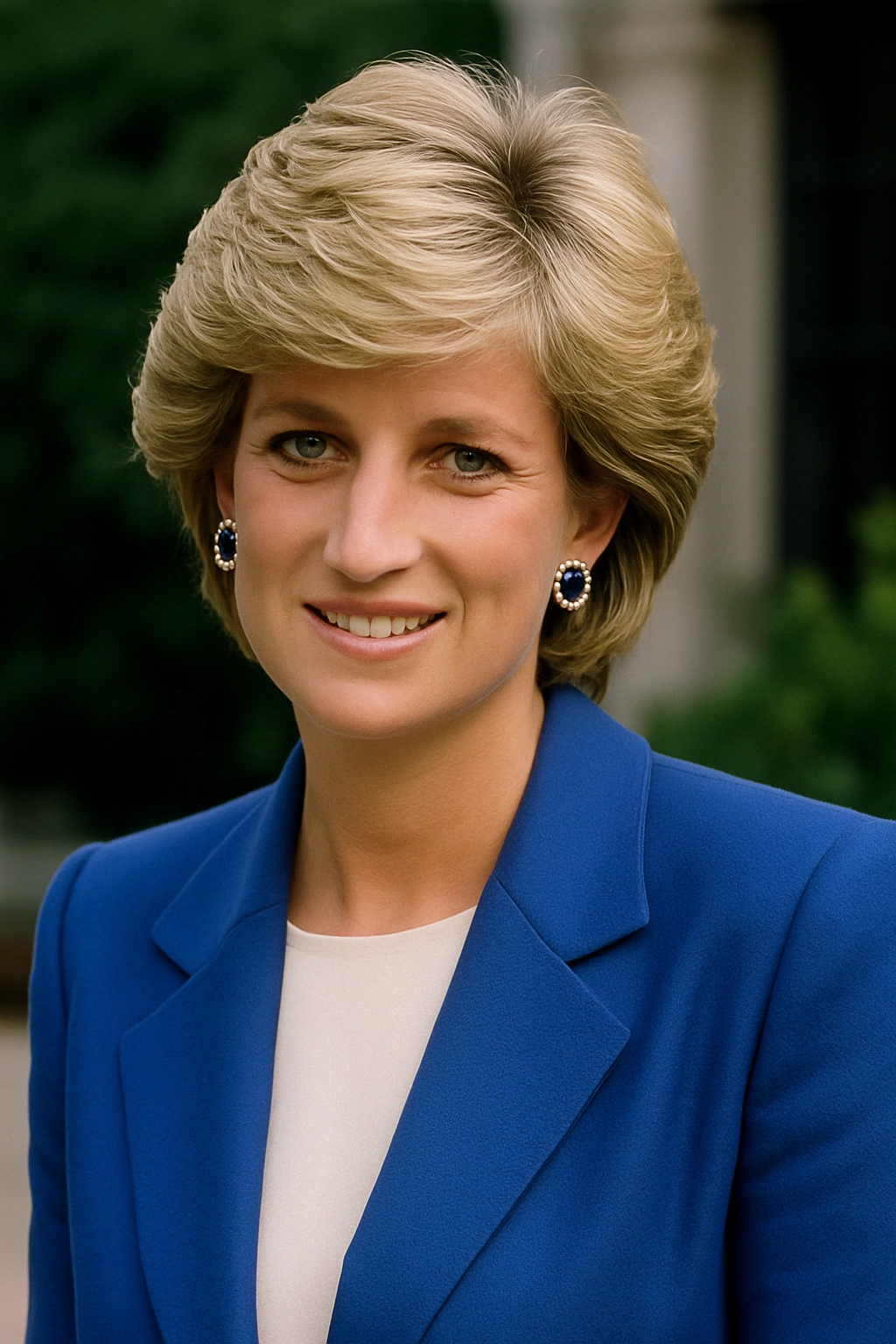 Princess Diana
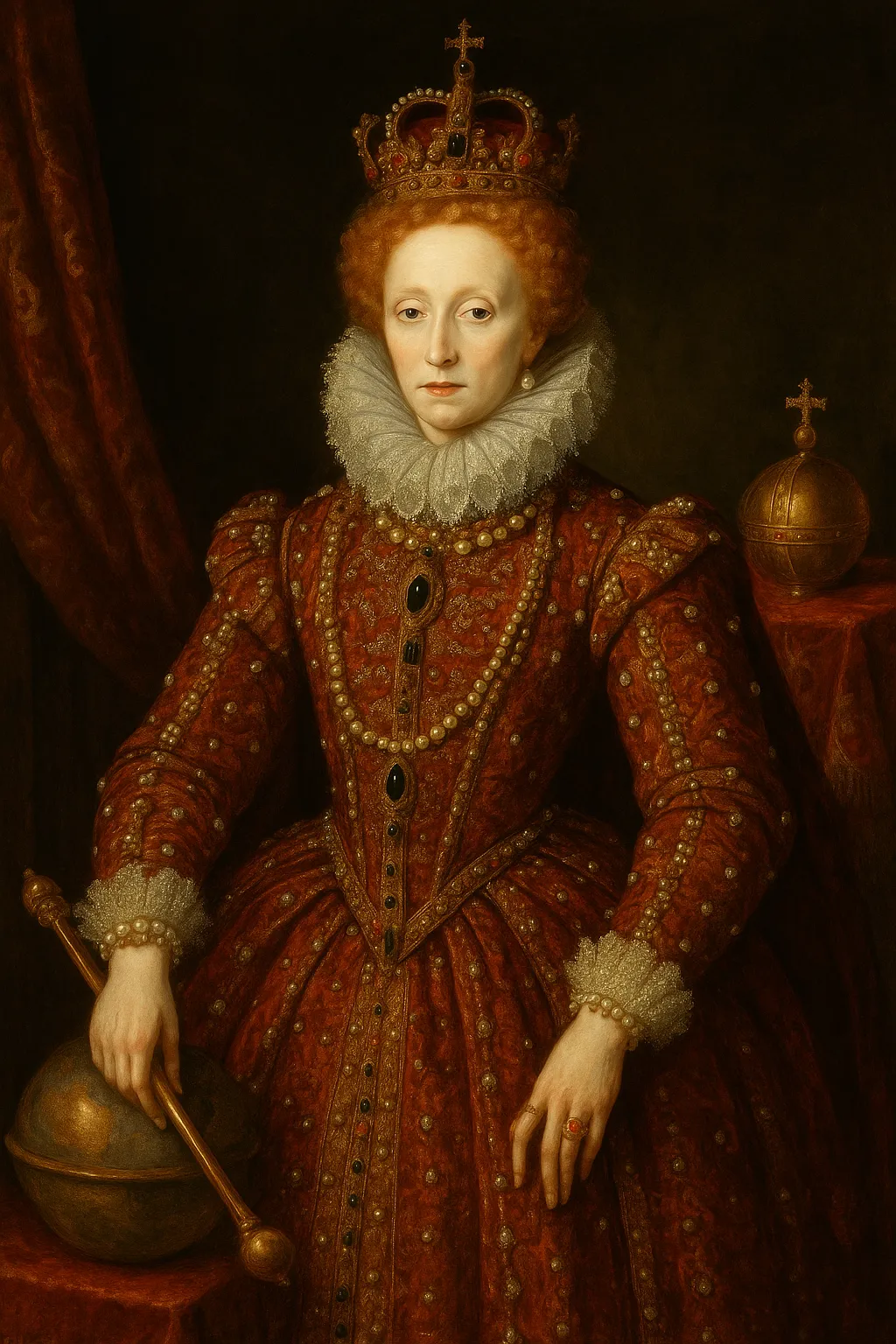 Queen Elizabeth
 Reptile Men
 Ringing Rocks
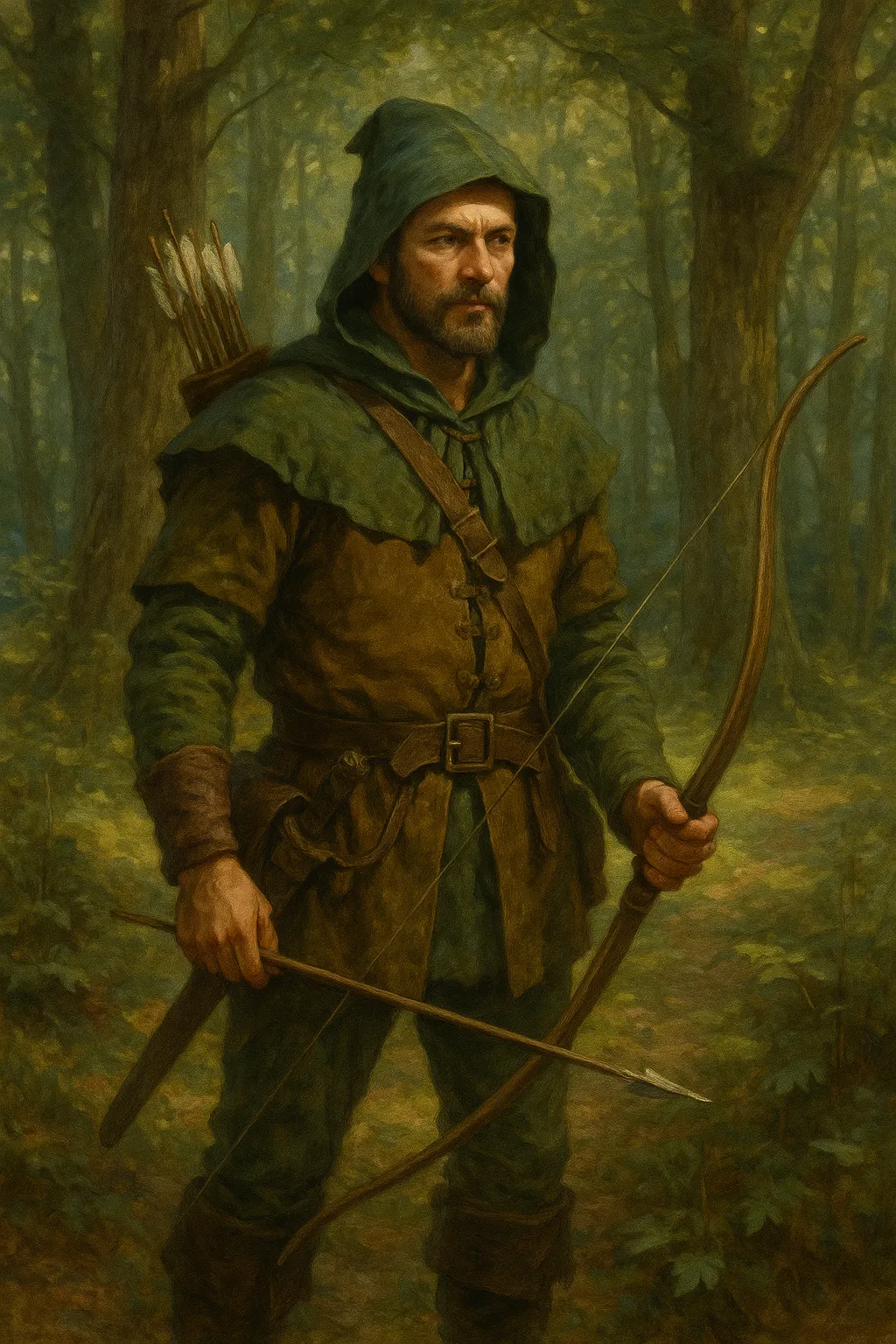 Robin Hood
 Roswell Incident
 Sea Serpents
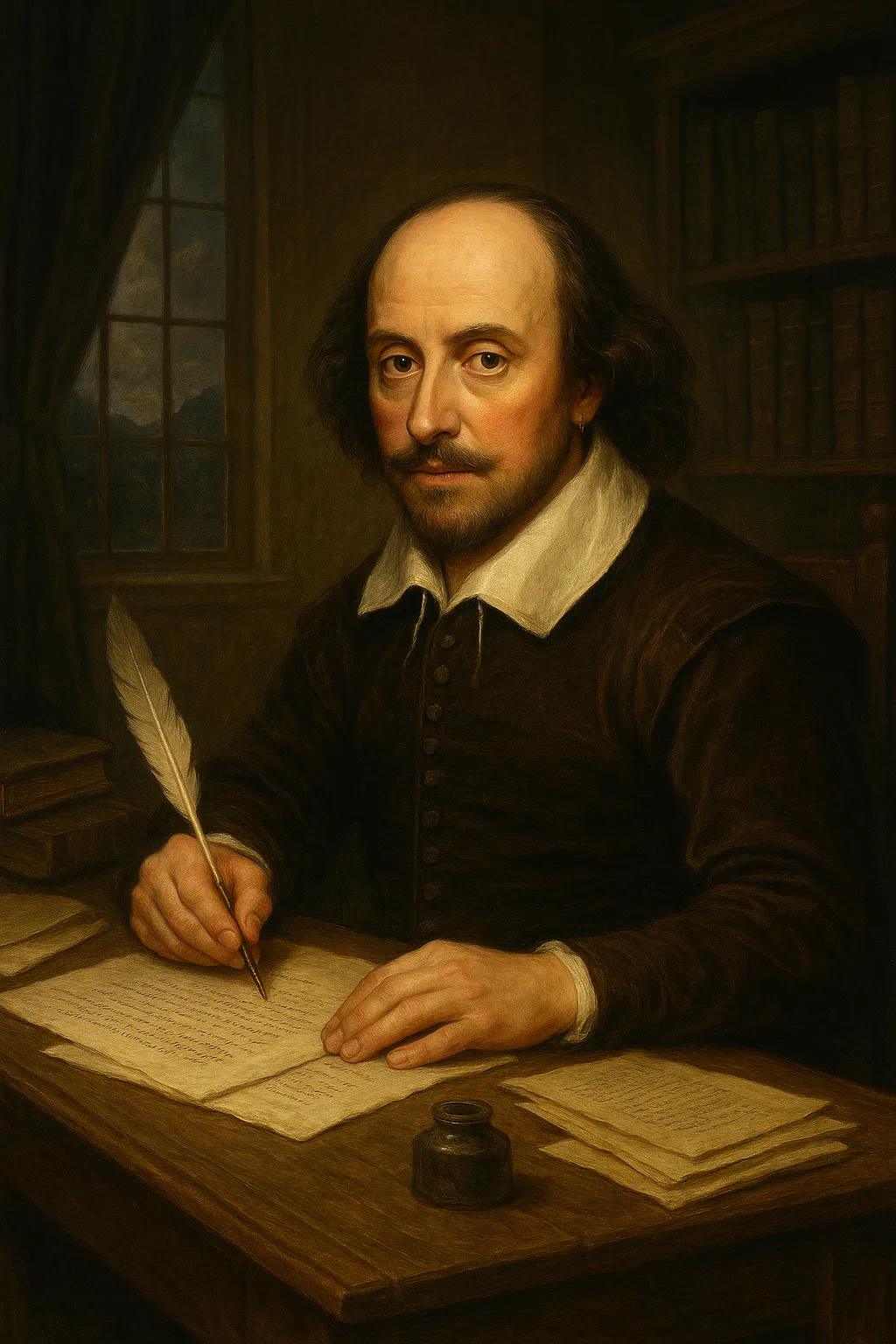 Shakespeare
 Simulation
 Space Anomalies
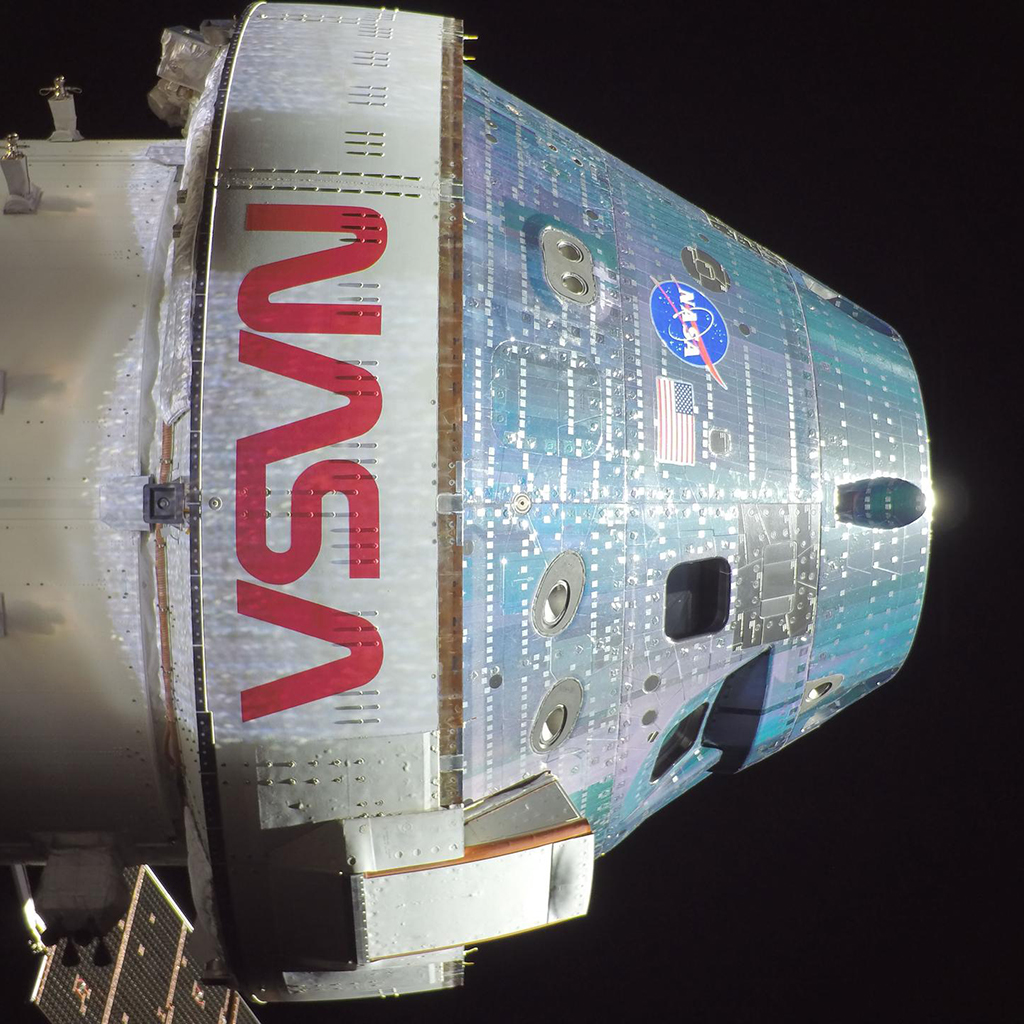 Artemis Era
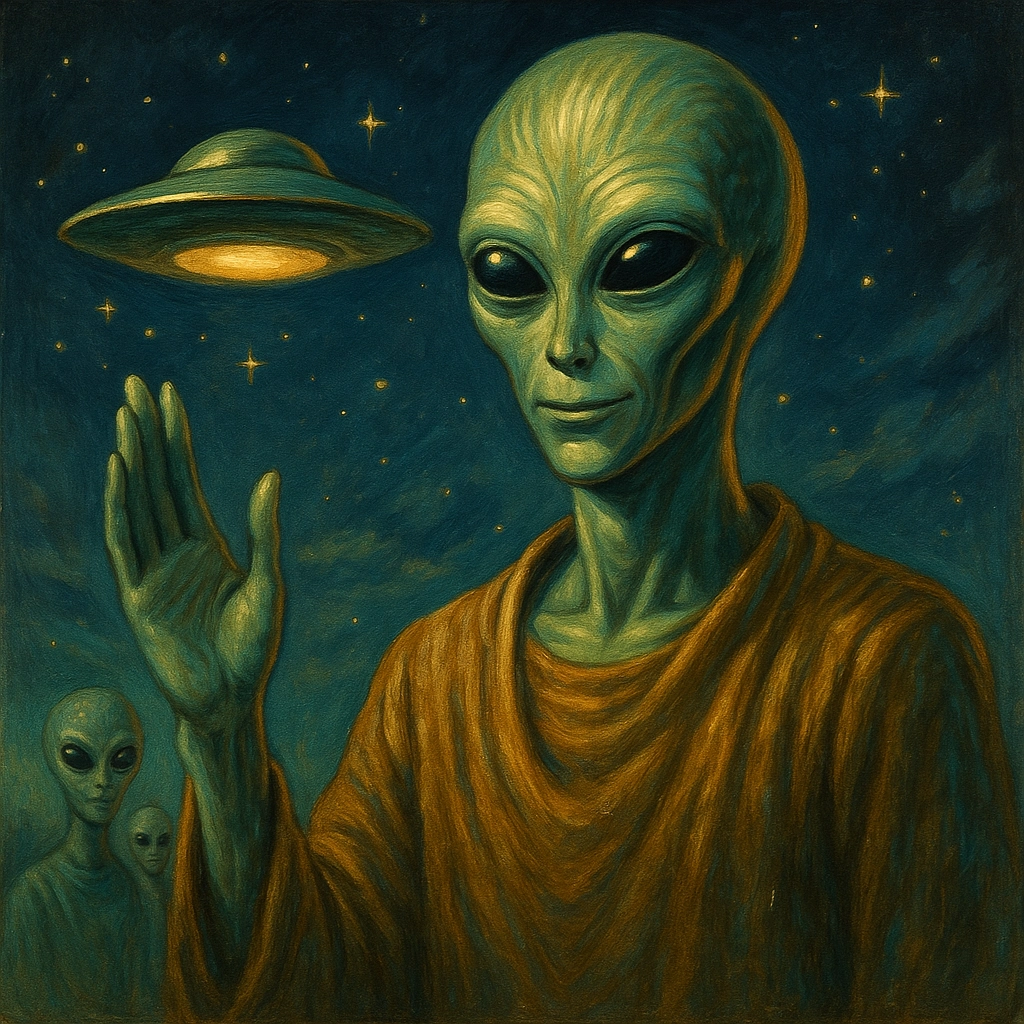 Space Brothers
 Teleportation
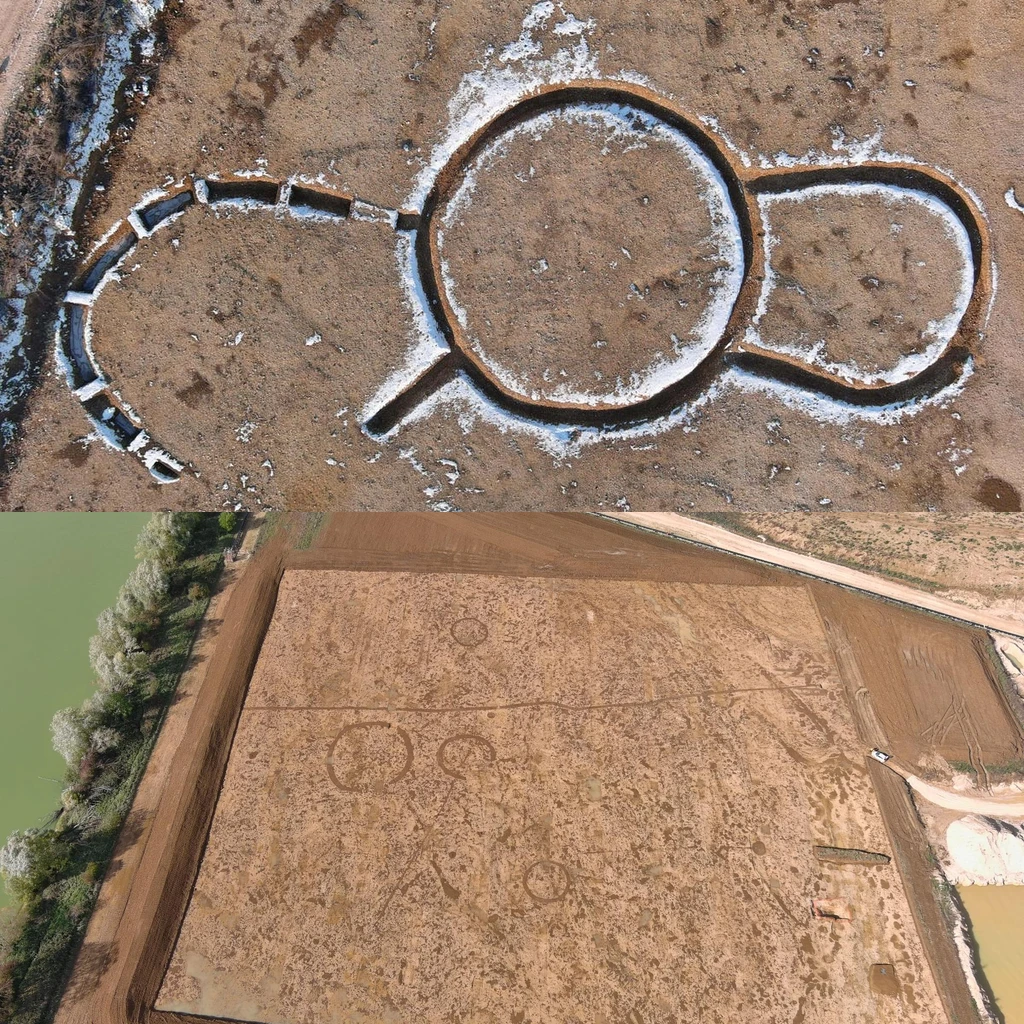 Three Ancient Enclosures
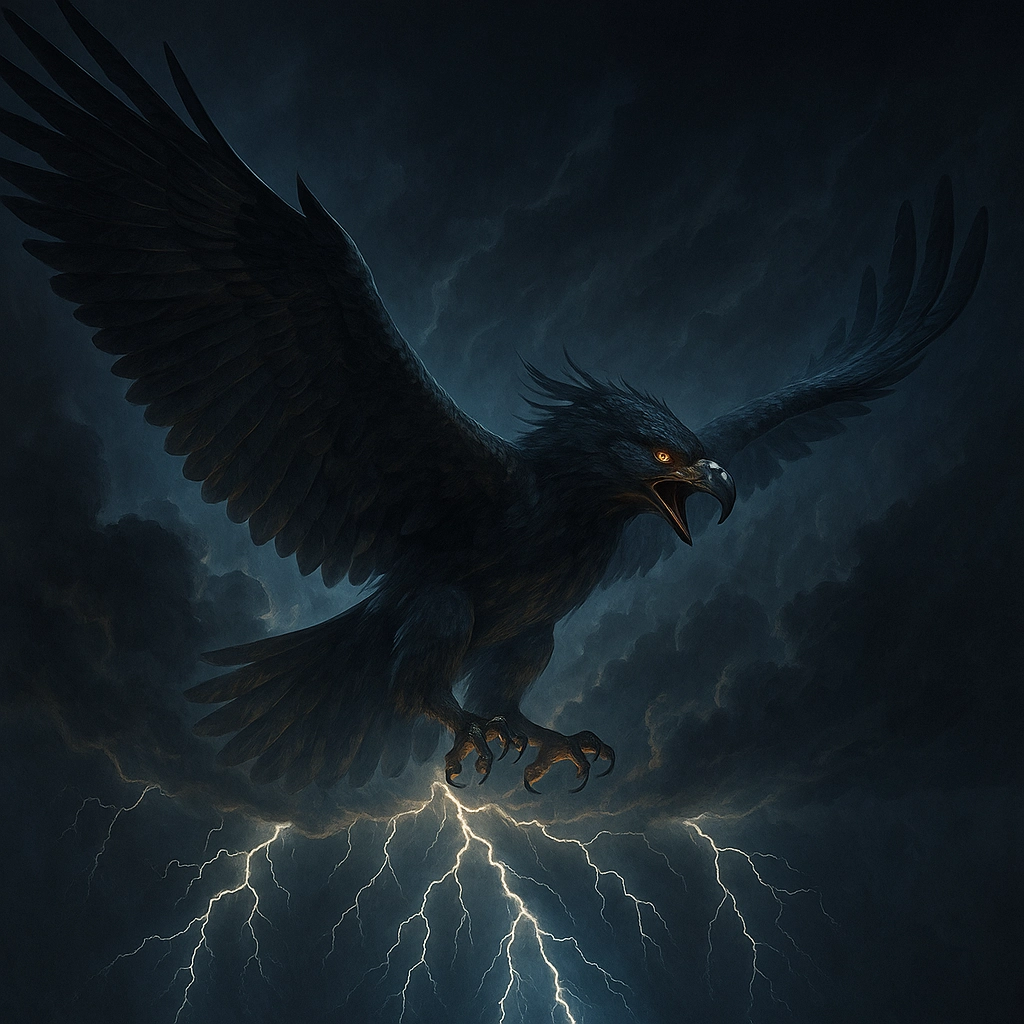 Thunderbirds
 No Time
 Time Portal
 Time Travel
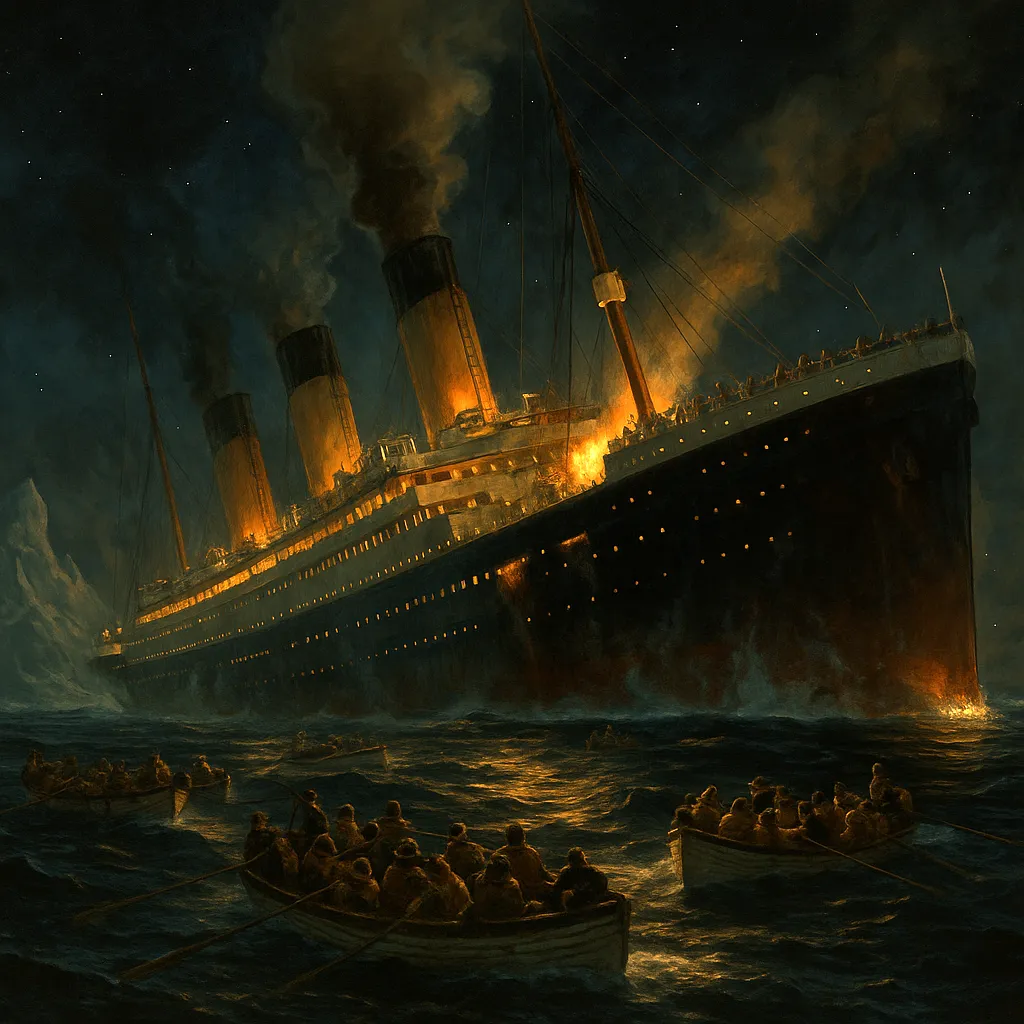 Titanic
 UFOs
UFOs
 UFO Sightings
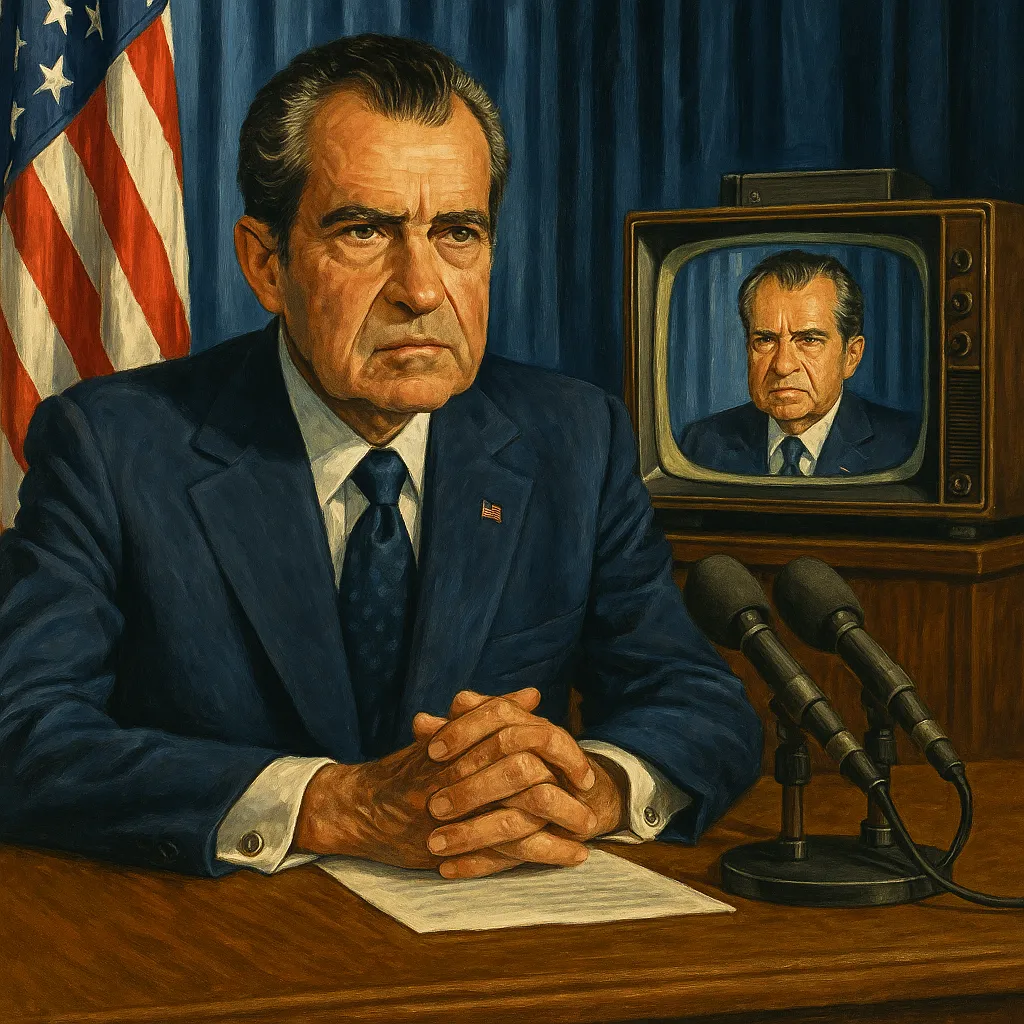 Watergate
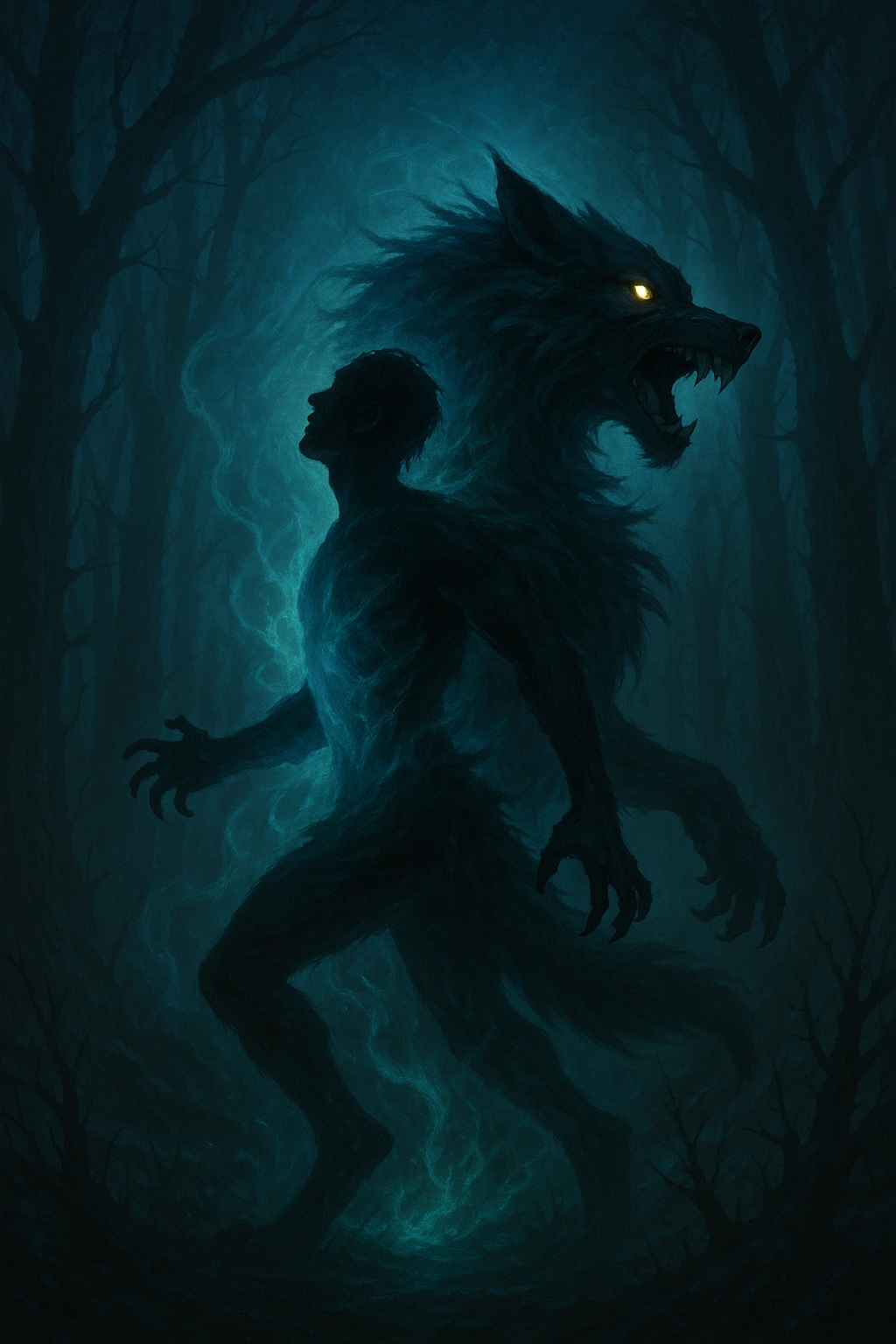 Werewolves
 Wildman
 William Tell
 Yeti
Yeti